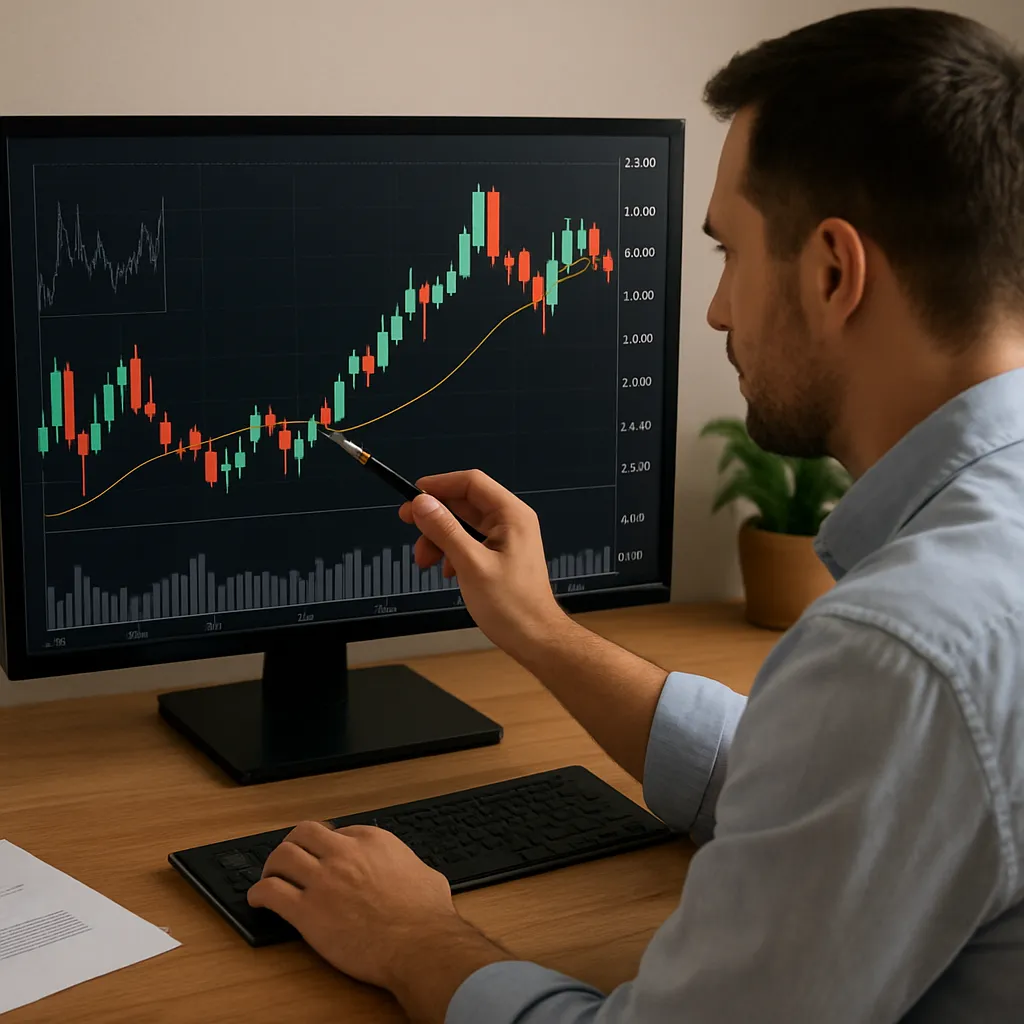
Interpreting the daily shifts in gold prices requires a nuanced understanding of global market forces, investor sentiment, and macroeconomic indicators. This article delves into various aspects shaping the world gold price, offering insights on how to decode day-to-day fluctuations and develop informed strategies.
Understanding Market Dynamics
Gold remains a cornerstone of the global financial system, prized for its liquidity and store-of-value properties. Unlike equities or bonds, gold does not yield interest or dividends. Its appeal stems from the perception of being a safe haven during periods of economic uncertainty. Daily price movements often reflect shifts in capital flows between risky assets and safe assets, driven by changing sentiment among institutional funds, central banks, and private investors.
- Trading Hours: Gold trades almost 24 hours a day across major exchanges in New York, London, Zurich, and Hong Kong. This continuous trading cycle means that events in any region can trigger near-instant price responses everywhere.
- Spot vs. Futures: Spot gold represents immediate delivery, while futures contracts lock in a price for future settlement. The premium or discount between these two instruments often signals expectations about supply, storage costs, and interest rates.
- Market Depth: The volume of buy and sell orders at various price levels indicates volatility risk. Thin order books can exacerbate price swings, particularly during off-peak trading hours or after major news releases.
Key Drivers of Daily Volatility
Several factors converge to influence gold’s daily volatility. Recognizing these drivers allows traders and portfolio managers to distinguish between transient price spikes and longer-term trend reversals.
Macroeconomic Indicators
- Inflation Data: Rising inflation erodes fiat currency purchasing power, often prompting investors to seek refuge in gold. Unexpected inflation surprises can lead to abrupt price surges.
- Interest Rates: Central bank decisions on policy rates have a dual effect. Higher rates increase the opportunity cost of holding non-yielding gold, typically exerting downward pressure. Conversely, dovish statements or rate cuts can spark rallies.
- Employment Reports: Labor market strength or weakness in major economies like the United States can influence expectations for monetary policy, indirectly affecting gold prices.
Currency Fluctuations
The dollar price of gold is inversely correlated with the strength of the US dollar. A weakening dollar makes gold cheaper for holders of other currencies, boosting demand. Sudden shifts in forex markets, whether driven by trade tensions, debt crises, or monetary policy divergence, can cause rapid adjustments in gold valuations.
- Cross-Rate Movements: Major currency pairs such as EUR/USD and USD/JPY can serve as early indicators of potential gold price moves.
- Emerging Market Currencies: Turmoil in countries like Turkey or Argentina often leads to increased local demand for physical gold, adding further volatility to global price curves.
Analytical Tools for Interpreting Volatility
Effective interpretation of gold price swings relies on blending technical, fundamental, and sentiment-based analysis. Each approach offers unique insights into the nature and sustainability of market moves.
Technical Analysis
- Moving Averages: Simple and exponential moving averages help smooth out short-term noise and highlight underlying trends. Crossovers can signal potential trend reversals or continuation patterns.
- Bollinger Bands: These volatility bands expand and contract based on price deviations from a moving average. A sudden breakout beyond the bands can indicate an overbought or oversold condition ripe for a pullback.
- Relative Strength Index (RSI): By measuring the speed and change of price movements, RSI readings above 70 signal overbought conditions, while levels below 30 point to oversold extremes.
Fundamental Analysis
- Central Bank Reserves: Quarterly data on gold reserves held by central banks reveal strategic shifts in asset allocation. Large-scale purchases or sales can foreshadow major price trends.
- Physical Demand-Supply Balance: Reports from the World Gold Council track jewelry and technology demand versus mine production and recycling. Discrepancies in this balance can drive price adjustments.
- Geopolitical Events: Escalating conflicts or diplomatic tensions often ignite flight-to-safety buying, pushing prices upward in a matter of hours.
Sentiment Indicators
Market sentiment gauges the mood of traders and investors, essential for understanding the scale and duration of price moves.
- Commitment of Traders (COT) Reports: These weekly disclosures show speculative futures positions. Extreme net-long or net-short stances can precipitate sharp corrections when participants unwind their trades.
- Volatility Indexes: Measures like GVZ (Gold Volatility Index) track implied volatility embedded in options markets. Spikes in implied volatility often precede significant price swings.
- Media and Social Metrics: Rapid changes in news coverage or social media mentions can accelerate momentum moves, especially among retail investors seeking quick gains.
Practical Strategies for Navigating Daily Swings
Traders and investors can adopt various tactics to manage risk and capture opportunities presented by gold’s intraday movements.
Scalping and Day Trading
- High-Frequency Setups: Scalpers target small price differentials, often a few ticks, by exploiting order flow imbalances and algorithmic signals during peak liquidity sessions.
- Stop-Loss Discipline: Given the inherent noise in daily gold trading, strict stop orders help contain losses, preserving capital for statistically favorable entries.
- News-Driven Trades: Monitoring economic calendars and central bank announcements allows traders to position ahead of anticipated volatility bursts.
Swing Trading
- Trend Identification: Swing traders rely on the confluence of technical indicators and fundamental catalysts to capture multi-day or multi-week moves.
- Position Sizing: Employing proper risk management techniques, such as the Kelly criterion or fixed fractional methods, ensures that no single trade can significantly deplete the portfolio.
- Trailing Stops: Dynamic stops that follow the price at a predefined distance lock in profits while giving the trade room to breathe through normal volatility.
Long-Term Allocation
- Portfolio Diversification: Allocating a portion of assets to gold can hedge against unforeseen market turbulence. Historically, a 5–10% weighting has provided ballast during equity drawdowns.
- Cost Averaging: Regularly purchasing gold over time reduces the impact of price spikes and dips, smoothing out entry levels.
- Holding Physical vs. ETFs: Investors must weigh the pros and cons of storing bullion versus liquid exchange-traded funds, balancing security, costs, and accessibility.
Advanced Considerations
For seasoned market participants, deeper dives into statistical models and intermarket relationships can enhance decision-making in interpreting daily volatility.
- GARCH Models: Generalized Autoregressive Conditional Heteroskedasticity frameworks quantify time-varying volatility, improving forecasts of potential price swings.
- Co-Integration Analysis: Studying long-term equilibrium relationships between gold prices and macroeconomic variables (such as real interest rates or commodity indices) uncovers mean-reversion opportunities.
- Intermarket Spreads: Monitoring the basis between spot and futures contracts, or the spreads among different maturities, reveals clues about funding costs and term structure shifts.
Behavioral Finance Impacts
Psychological biases often exacerbate intraday gold price moves. Herding behavior can amplify trends, while anchoring on past levels may hinder timely reactions to breaking developments. Recognizing these cognitive patterns helps traders remain objective and avoid overtrading during high-volatility episodes.
Regulatory and Structural Shifts
- Exchange Rules: Changes in margin requirements, position limits, or trading halts can abruptly alter market liquidity and volatility.
- Clearing and Settlement: The introduction of new clearinghouses or modifications in collateral standards influences transaction costs and risk profiles for participants.