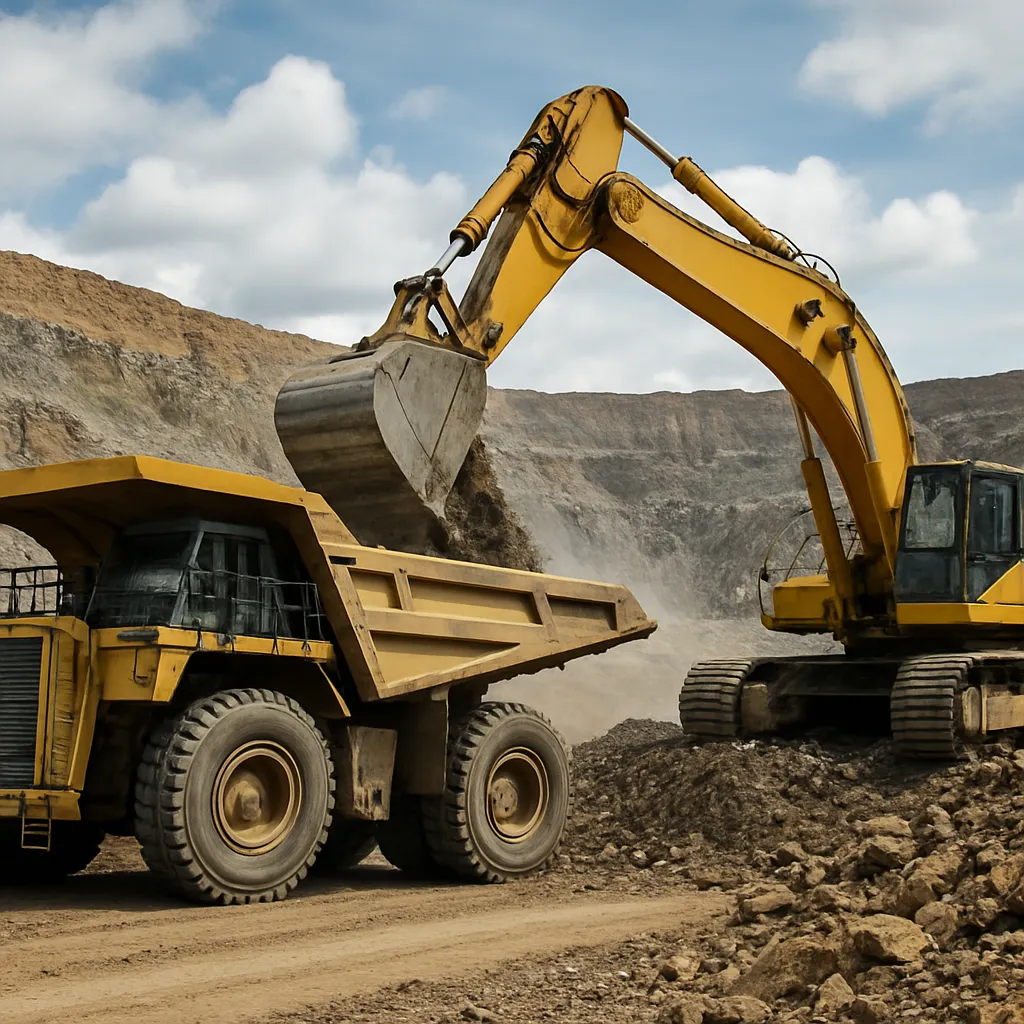
Gold mining has evolved through relentless innovation, reshaping every aspect of the value chain from ore extraction to final sale. As new technologies gain traction, companies are achieving unprecedented levels of efficiency while also reducing their environmental footprint. The ripple effect of these improvements is felt not only underground but also in the global market, influencing the world gold price and altering patterns of investment and profitability across the industry.
Technological Advances in Ore Extraction
The earliest stage of the mining process, ore extraction, has historically been one of the most capital- and labor-intensive phases. Recent breakthroughs, however, are streamlining operations. Techniques such as automated drilling, precision blasting and robotic loaders are radically changing the approach to accessing gold deposits.
- Sensor-based rock sorting: Advanced sensors identify gold-bearing rock before it enters processing plants, reducing waste and energy consumption.
- Autonomous drilling rigs: Self-driving rigs operate around the clock with minimal human supervision, cutting labor costs and boosting safety.
- Advanced remote sensing: Drones and satellites equipped with hyperspectral imaging map mineralization zones with pinpoint accuracy.
By integrating real-time geological data with machine learning algorithms, mining companies can optimize drill patterns and minimize unnecessary excavation. This synergy between geology and automation slashes both time and expense in the crucial extraction stage.
Streamlining Processing and Recovery
Once ore is delivered to the plant, the dominant goal is to maximize gold recovery at the lowest possible cost. Traditional methods such as cyanidation and milling have seen steady enhancements, while novel approaches are emerging.
- Gravity recovery technologies: Innovative gravity concentrators recover fine gold particles more effectively, reducing chemical usage.
- Modular processing plants: Prefabricated modules can be deployed rapidly to remote sites, cutting capital expenditure and mobilization time.
- Cyanide alternatives: Thiosulfate and chloride leaching agents offer sustainability benefits and lower environmental risks.
Enhanced process control systems, driven by high-frequency data collection, adjust reagent feed rates and mill speeds on the fly. By minimizing oversize particles and optimizing chemical consumption, operators achieve higher yields while trimming operating expenses.
Digitalization and Operational Efficiency
Digital transformation is a cornerstone for modern mines aiming to stay competitive. The journey toward full digitization encompasses everything from integrated asset management to AI-powered predictive maintenance.
Smart Analytics and Predictive Maintenance
Deployment of Internet of Things (IoT) sensors on critical equipment—like haul trucks, conveyors and pumps—enables constant monitoring of vibration, temperature and pressure metrics. Artificial intelligence models analyze this data to predict component failures before they occur, avoiding costly unplanned downtimes.
- Condition-based maintenance: Repairs are scheduled only when sensors detect deviations from normal operating parameters.
- Energy management platforms: Machine-learning algorithms optimize power consumption across the plant, shaving millions off annual electricity bills.
- Supply chain optimization: Real-time tracking of parts inventory reduces excess stock and ensures timely availability of spares.
By leveraging cloud computing and big-data platforms, mining operators unobstructed share operational insights across global teams. The result is enhanced transparency, tighter cost control and a significantly more agile organization.
Market Implications for World Gold Price
Declining production costs driven by technological progress are reshaping the global supply curve. As the break-even price for gold mines drops, producers can remain profitable even when benchmark rates slip. This dynamic has multiple effects on the world gold price and related economic indicators:
- Increased supply flexibility: Lower-cost mines can ramp up output rapidly in response to price spikes, dampening volatility.
- Widened profit margins: Companies enjoying leaner operations can return more capital to shareholders and reinvest in exploration.
- Shift in investment strategies: Investors allocate more capital toward mining equities and exchange-traded funds (ETFs) targeting low-cost producers.
Moreover, the ability to operate profitably at prices closer to long-term averages reduces the incentive for speculative hoarding and panic sales during periods of economic uncertainty. Central banks and sovereign wealth funds, observing stable production costs, feel more confident in maintaining or increasing gold reserves as part of their investment portfolios.
In essence, the steady downward pressure on mining costs, fueled by ongoing innovation and digital advances, is exerting a moderating influence on global gold prices. As producers achieve greater efficiency and expand output sustainably, the precious metals market becomes more resilient, benefiting stakeholders from grassroots miners to multinational investors.