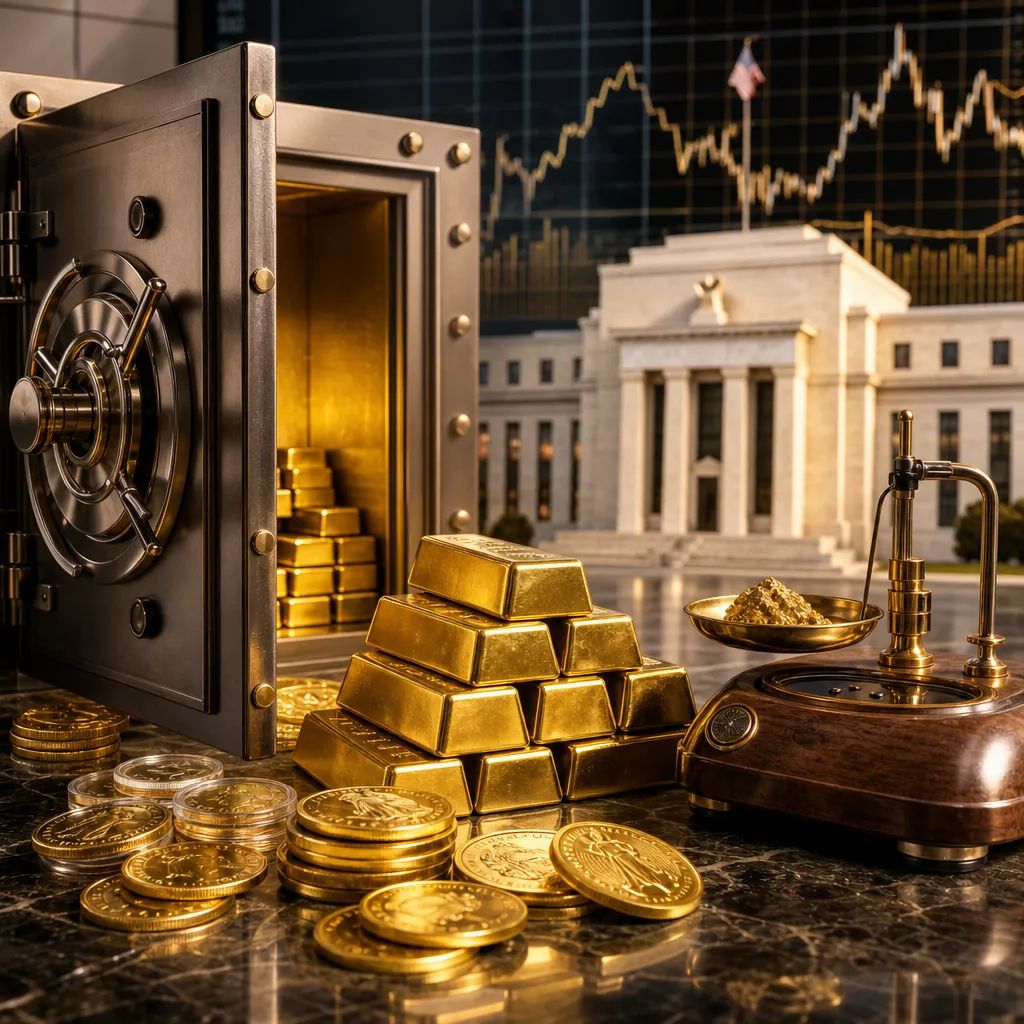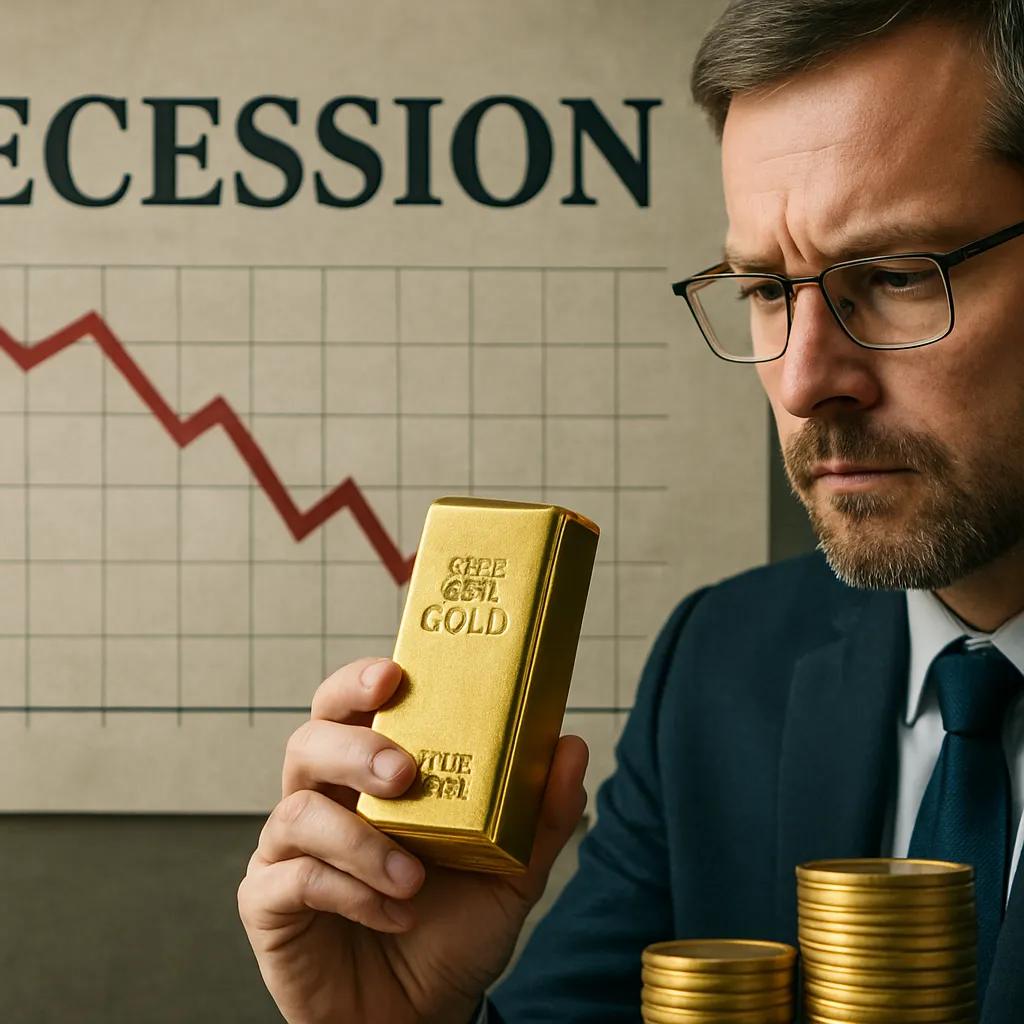
The persistent rumblings of an economic slowdown have once again shone a spotlight on the yellow metal, driving investors to reassess their strategies in the face of mounting uncertainties. As the global economy contends with uneven growth, shifting monetary policies and geopolitical tensions, the dynamics of the world gold price are evolving in complex ways. This article delves into the factors shaping investor behavior, examines key indicators of recessionary pressure, and explores how market participants are adjusting their positions in gold to protect or enhance their wealth.
Economic Uncertainty and Gold’s Safe-Haven Appeal
When financial markets tremble, gold often emerges as a preferred refuge for those seeking to preserve capital. Its reputation as a safe-haven asset is rooted in centuries of use as a store of value, and its performance during times of stress underscores this enduring role. In recent decades, episodes such as the global financial crisis of 2008 and the COVID-19 pandemic saw gold prices climb sharply as investors fled equities and other risk assets. Today, renewed fears of a recession—fueled by persistent supply chain disruptions, energy price shocks and tightening central bank policy—have reignited interest in this metal.
At the heart of gold’s appeal lies its unique combination of attributes:
- Inflation hedge – Unlike fiat currencies, gold cannot be debased by monetary expansion, making it a bulwark against eroding purchasing power.
- Currency diversification – Holding gold can offset losses when major currencies weaken under deflationary or stagflationary pressures.
- Liquidity – The global gold market, spanning exchanges in London, New York, Shanghai and Mumbai, ensures that sizable holdings can be bought or sold with relative ease.
- Absence of counterparty risk – Physical gold does not depend on a third party for its value, unlike bonds or derivatives.
As central banks around the world have shifted toward tighter monetary policy to tame inflation, the yield advantage of interest-bearing assets has increased. Yet, when growth indicators falter and credit stress mounts, gold often reasserts its allure, as the upside from potential price appreciation outweighs the opportunity cost of foregoing interest income.
Recession Indicators and Market Sentiment
Investors and analysts alike monitor a variety of economic barometers in order to gauge the probability of a downturn. Among the most closely watched:
- Yield curve inversion – When yields on short-term government debt exceed those on longer maturities, it signals expectations of slowing growth.
- Manufacturing indices – Contractions in PMI readings for industrial production can foreshadow broader declines in output.
- Unemployment trends – Rising jobless claims and a cooling labor market may presage reduced consumer spending.
- Corporate earnings – Earnings revisions and warnings from major multinationals often reflect weakening demand.
As these metrics flash cautionary signs, sentiment surveys of fund managers typically show rising allocations to gold and cash. The divergence between bullish equity positions and growing gold exposure highlights the tension between chasing upside and guarding against downside. Moreover, heightened volatility in equity and currency markets amplifies gold’s relative attractiveness. Traders often deploy options strategies—such as buying calls on gold futures—to express their views on market turmoil while capping potential losses.
Geopolitical developments equally feed into recession fears and influence gold demand. Escalating trade disputes, military conflicts or diplomatic standoffs can disrupt supply chains and commodity flows, causing investors to rotate into assets perceived as more stable. In recent years, strained relations between major economies have repeatedly triggered flight-to-safety flows into bullion, sending the world gold price to multi-year highs.
Investor Strategies amid Price Fluctuations
In navigating choppy markets, individual and institutional investors adopt a range of approaches to incorporate gold into their overall asset mix. Common strategies include:
- Physical bullion – Bars and coins bought through reputable dealers or allocated storage facilities.
- Exchange-traded funds (ETFs) – Securities that track the spot price of gold and trade like stocks, offering convenience and low transaction costs.
- Mining equities – Shares of companies engaged in gold exploration and production, which provide leverage to metal price moves but carry operational risks.
- Futures and options – Derivative contracts allowing for direct exposure to price changes, favored by professional traders seeking speculation or hedging opportunities.
Each avenue carries its own set of trade-offs. Physical gold commands premiums and storage fees, whereas ETFs may impose management expenses and lack the tangible assurance of bars. Mining stocks can amplify returns during bullish phases but underperform when input costs rise or reserves deplete. Derivatives introduce margin requirements and time-decay considerations that can erode gains if positions are held too long.
Balancing Risk and Reward
A prudent investor recognizes that no single asset class offers perfect protection against a recession. Gold’s historic performance during downturns has been strong, but it is not immune to underperformance, especially during brief rallies in risk assets or surges in the US dollar. As such, portfolio managers emphasize diversification, allocating a strategic percentage—often between 5% and 15%—to gold as a counterbalance to stocks and bonds. Tactical adjustments to this allocation can be made based on evolving economic forecasts and technical signals in the gold market.
Impact of Monetary Policy and Real Yields
Central bank decisions on interest rates directly influence gold’s opportunity cost. When nominal rates rise faster than inflation expectations, real yields become more attractive, potentially weighing on bullion prices. Conversely, if inflation outpaces rate hikes, real yields fall, enhancing gold’s appeal as a non-yielding asset. This interplay underscores why investors track measures like the breakeven inflation rate derived from Treasury Inflation-Protected Securities (TIPS) and monitor statements from the Federal Reserve, European Central Bank and other monetary authorities.
Outlook for the World Gold Price
Looking ahead, the trajectory of the world gold price will hinge on a confluence of economic data, policy moves and risk events. Key themes to watch include:
- Risk sentiment shifts – Episodes of stress in credit markets or volatility spikes can prompt rapid inflows into bullion.
- Inflation dynamics – If headline inflation remains persistently high, gold may benefit from renewed safe-haven buying.
- Central bank purchases – Many emerging-market authorities continue to diversify reserves into gold, supporting demand.
- Technological changes – Advances in mining efficiency and recycling can influence supply trends over the medium term.
Ultimately, gold’s function as a financial asset transcends mere commodity status. Its enduring role in portfolio construction, combined with the metal’s intrinsic qualities, will likely ensure that it remains central to investor strategies in times of recessionary anxiety. While no one can predict the precise path of economic growth or the timing of downturns, the interplay of market psychology and fundamental drivers ensures that gold will continue to captivate and protect those who seek resilience amid uncertainty.