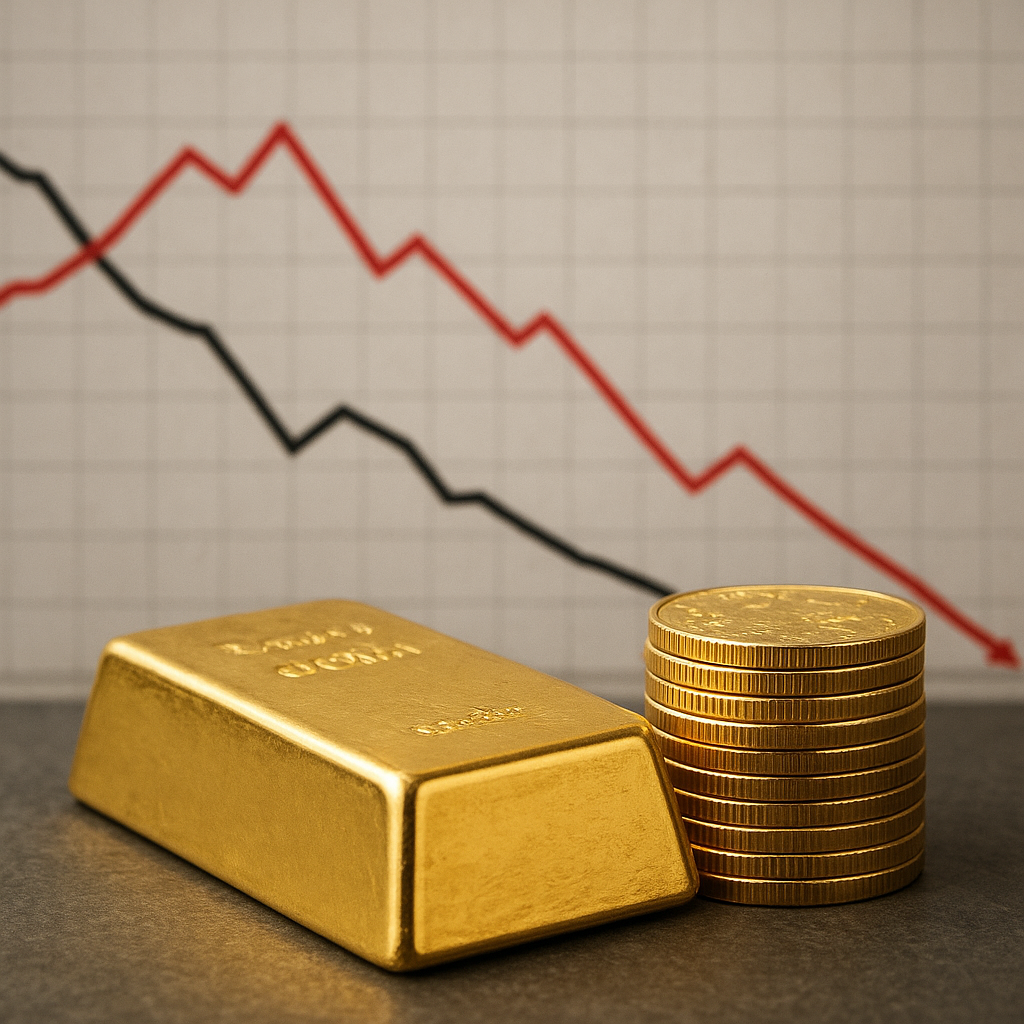
The dynamic relationship between central bank policy shifts and the trajectory of the global gold market has long fascinated investors and economists alike. As authorities worldwide embark on tightening cycles to quell rising inflation or stabilize economies, the yellow metal often undergoes pronounced corrections. Understanding the nuances of how interest rate hikes influence gold prices can equip market participants with crucial insights to navigate turbulent periods and optimize portfolio strategies in an ever-evolving financial landscape.
Changing Monetary Policies and Gold Valuation
Central banks adjust benchmark lending rates to achieve mandates such as price stability and employment. When the Federal Reserve, European Central Bank, or other major institutions signal an impending increase in rates, the opportunity cost of holding non-yielding assets like gold rises. This shift tends to dampen demand, triggering corrections in the precious metal’s price. Key mechanisms include:
- Real rates effect: As nominal yields on government bonds climb faster than inflation, real yields become more attractive relative to gold, reducing bullion’s allure.
- Liquidity shift: Higher rates may drain liquidity from risk assets and safe havens, prompting traders to rebalance portfolios toward interest-bearing instruments.
- Currency dynamics: Rate differentials can strengthen a currency, particularly the US dollar, exerting downward pressure on dollar-denominated commodities such as gold.
Despite these forces, the metal often finds support in geopolitical uncertainty, central bank purchases, and long-term demand from jewelry or technology sectors. While corrective episodes can be sharp, underlying structural drivers—such as persistent inflation expectations and fiscal deficits—continue to underpin gold’s role as a strategic asset.
Historical Cases of Rate Hikes and Gold Corrections
Examining past rate-tightening cycles reveals recurring patterns. Two illustrative episodes:
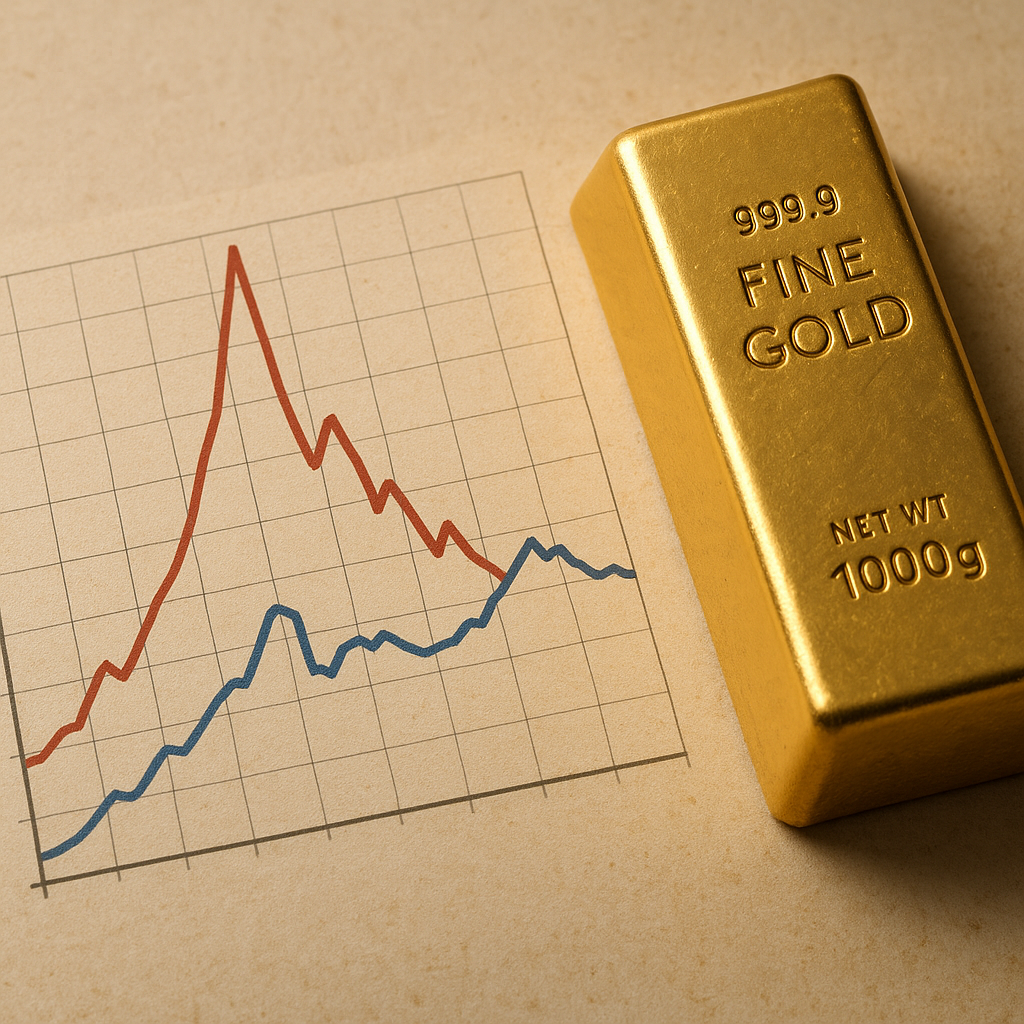
- Late 1970s U.S. Fed tightening: Under Chairman Paul Volcker, the Fed rapidly raised rates to combat double-digit inflation. Gold, which had surged above $200 per ounce, retreated sharply as real yields soared, erasing much of its earlier gains.
- Mid-2000s pre-crisis cycle: From 2004 to 2006, the Fed hiked rates from 1.0% to 5.25%. Gold initially fell from $440 to $420 but then rallied to new highs above $600 due to credit tensions and the ensuing financial crisis.
During each episode, the depth and duration of gold corrections varied based on:
- Speed of rate hikes: Sudden, aggressive moves often cause steeper pullbacks in gold.
- Underlying volatility in credit markets: Tightening that coincides with financial stress can reverse gold corrections rapidly.
- Inflation trajectory: If price pressures remain entrenched, gold tends to find buying interest despite higher yields.
These historical lessons underscore that rate-driven corrections are rarely terminal, offering tactical opportunities for investors willing to buy dips and hold through uncertainty.
Investor Strategies in Rising Rate Environments
In anticipation of or response to tightening cycles, market participants can employ several tactics to mitigate risk and capitalize on gold’s unique characteristics:
- Diversification: Adding gold to a multi-asset portfolio helps cushion against equity drawdowns and currency shocks during tightening phases.
- Staggered entry: Deploying capital into gold gradually during rate hike cycles can reduce timing risk while capturing potential bargain levels.
- Use of derivatives: Options strategies such as collars or protective puts allow investors to hedge downside risks as yields climb.
- Monitoring real yields: Tracking the break-even inflation rate and nominal bond yields provides real-time signals on gold positioning.
Additionally, investors should maintain a holistic view of global central bank policies. For instance, if one major authority tightens while another remains accommodative, gold may face offsetting pressures. Staying attuned to statements, meeting minutes, and macro data releases is essential for navigating these crosscurrents effectively.
Technical Factors and Market Sentiment
Beyond fundamental drivers, technical analysis and sentiment indicators play a pivotal role in shaping gold corrections amid interest rate movements:
Chart Patterns and Key Levels
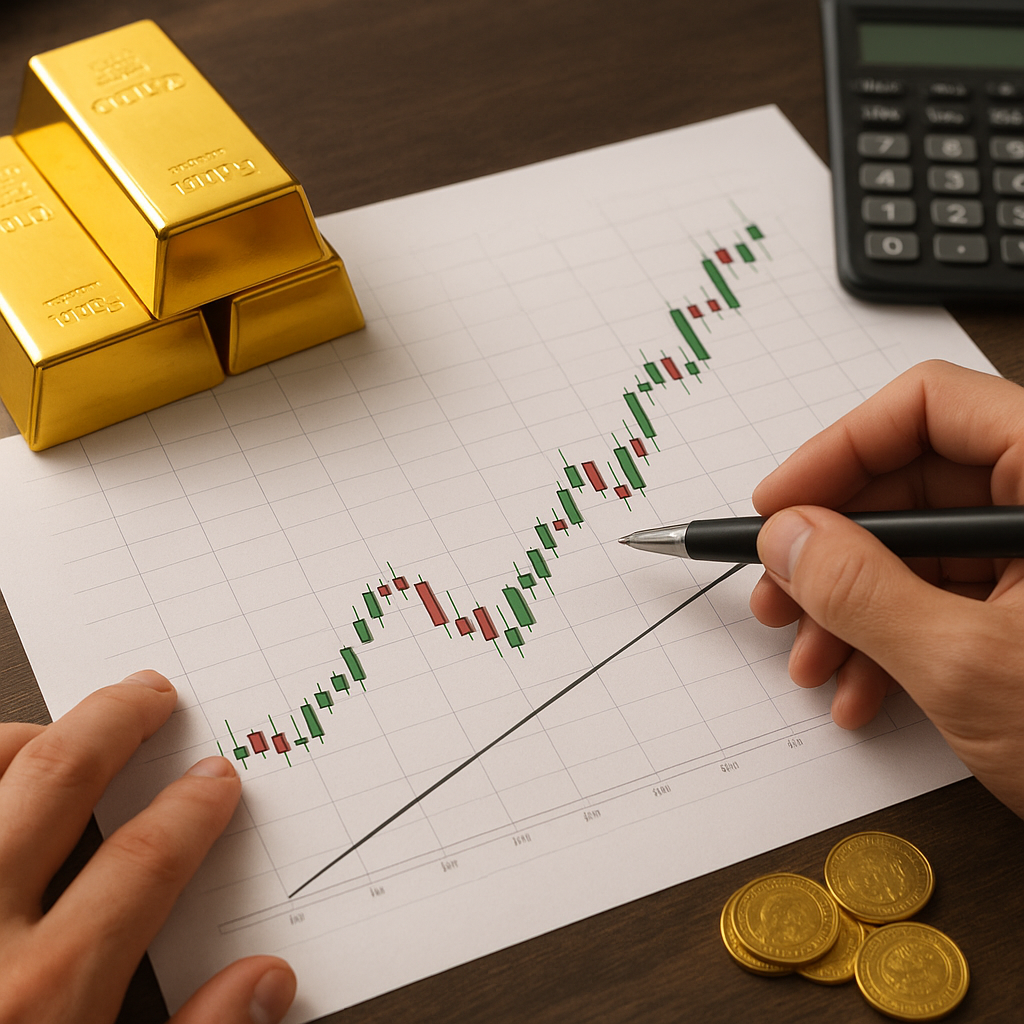
Technical traders watch support and resistance zones, moving averages, and trendlines to gauge potential correction depths. A decisive break below a multi-month uptrend line or the 200-day moving average can accelerate selling, while a bounce at these levels often attracts fresh buying.
Sentiment Metrics
- CFTC Commitment of Traders data: Shifts in net-long positions among speculators can foreshadow price reversals.
- Investor surveys: Extremes in bullishness often coincide with short-term tops or bottoms.
- Volatility indices: Rising implied volatility in gold options can signal heightened uncertainty and foreshadow corrective moves.
By combining these tools with an awareness of evolving monetary conditions, traders can better anticipate the magnitude and duration of gold corrections. Moreover, incorporating safe haven flows—driven by geopolitical risks, currency crises, or systemic concerns—provides additional context. Even amid aggressive rate hikes, sudden spikes in uncertainty often lead to counterintuitive gold rallies as investors scramble for capital preservation.
Conclusion
While accelerating interest rates generally exert downward pressure on gold, corrections are shaped by a complex interplay of real yields, liquidity flows, market sentiment, and broader economic trends. Historical episodes demonstrate that timely buying opportunities often arise when rate-driven sell-offs coincide with heightened volatility or mounting geopolitical risks. By leveraging robust risk management frameworks—such as strategic diversification, technical analysis, and vigilant monitoring of central bank communications—investors can navigate the challenges of tightening cycles and harness gold’s enduring value in an unpredictable financial world.