The complex interplay between currency values and precious metals has long fascinated economists, policymakers, and investors. The ongoing debate around a return to a Gold Standard is rooted in historical precedent, theoretical frameworks, and contemporary market pressures. This article explores the global trajectory of the world gold price and examines the key economic arguments presented by advocates of a gold-backed monetary system.
Historical Evolution of Gold Pricing
The practice of using gold as a medium of exchange dates back millennia, when ancient civilizations recognized its intrinsic worth. Over time, gold evolved from a raw commodity to an official standard underpinning national currencies. Between the 19th and early 20th centuries, major economies adopted various forms of the gold standard, fixing currency values to specific weights of gold. Under this regime, the benchmark for price levels across borders was relatively stable, as governments committed to redeeming notes in gold at predetermined rates.
Yet the system faced strains during periods of war and economic stress. Financing large-scale conflicts required extensive public spending that exceeded nations’ gold reserves. By suspending convertibility, states effectively abandoned the fixed-price model. The interwar era witnessed a patchwork of gold-based arrangements, culminating in the Bretton Woods agreement of 1944. Although Bretton Woods established a dollar-gold peg for international settlements, domestic currencies floated against the U.S. dollar. This hybrid model endured until 1971, when the United States terminated dollar convertibility into gold, ushering in the modern era of volatility in gold markets.
Mechanisms of the Gold Standard
Proponents of the gold standard argue that linking currency issuance to a physical commodity enforces fiscal discipline. Under a pure gold regime, governments cannot expand the money supply beyond the limits of their gold holdings. This restriction helps curb excessive inflation and deters unsustainable budget deficits. Moreover, the commitment to gold convertibility is seen as a credible anchor for public expectations, bolstering confidence in the purchasing power of money.
Key features of a traditional gold standard include:
- Convertibility: Central banks must exchange notes for gold on demand at fixed rates.
- Balance of Payments Adjustment: Gold inflows and outflows automatically correct external imbalances.
- Price Level Stability: Long-term inflation rates align with the growth rate of global gold supplies.
While these mechanisms promote stability, critics highlight drawbacks such as vulnerability to external shocks and limited capacity for countercyclical monetary policy. A sudden discovery of gold reserves or exhaustion of deposits can destabilize prices. Additionally, a pure gold standard may induce deflationary pressures when gold production lags behind economic growth, intensifying recessions.
Modern Dynamics of the World Gold Price
After the end of Bretton Woods, gold became a freely traded commodity. Its spot price now reflects expectations about central bank actions, global risk sentiment, and currency movements. The liquidity of modern gold markets enables instant transactions across major exchanges, including London, New York, and Shanghai. Prices are quoted in multiple currencies, but U.S. dollars remain the dominant benchmark for global reference.
Several factors drive the contemporary world gold price:
- Monetary Policy: Low interest rates and quantitative easing often boost gold demand as investors seek assets uncorrelated with sovereign debt.
- Currency Fluctuations: Depreciation of the dollar typically elevates gold prices, since gold becomes cheaper for foreign buyers.
- Geopolitical Risk: Political turmoil, trade tensions, and wars increase the appeal of gold as a safe haven.
- Inflation Expectations: Anticipated rises in consumer prices push investors toward gold to hedge purchasing power erosion.
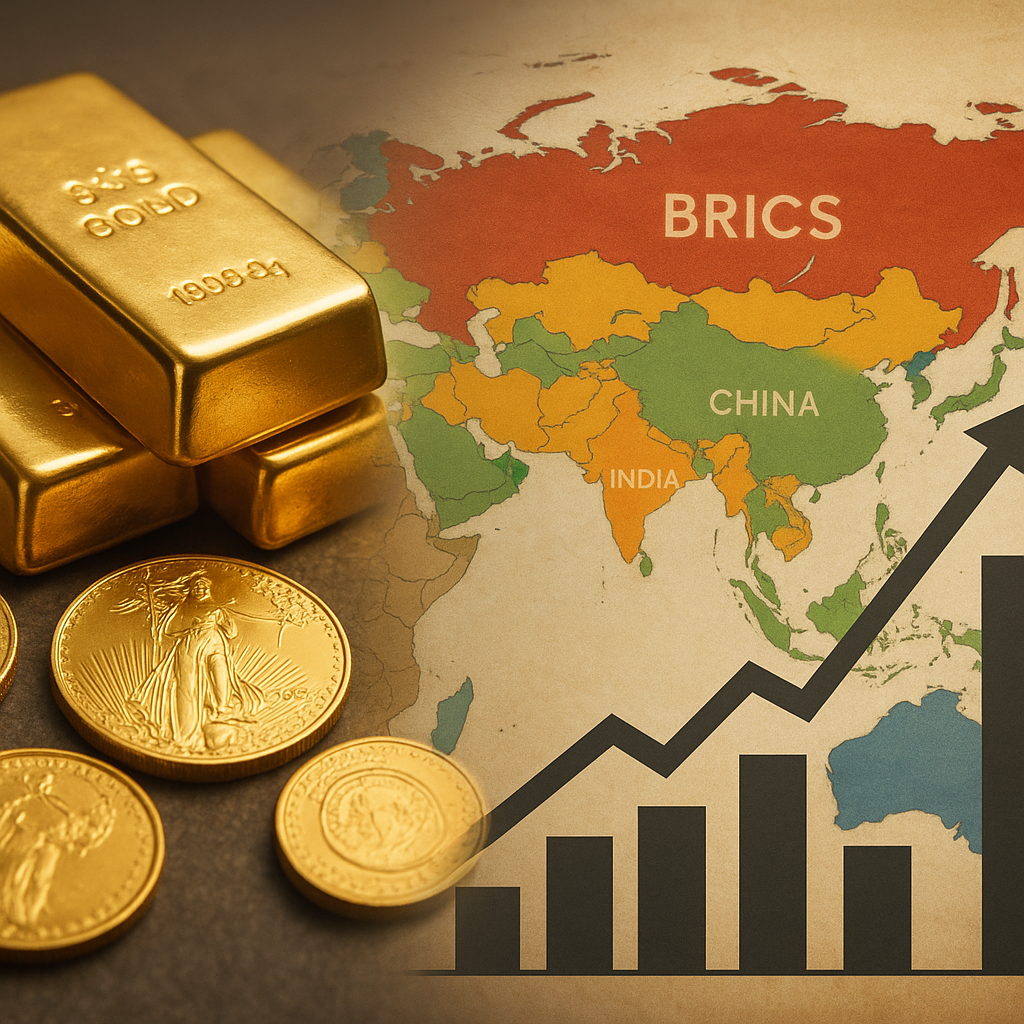
By tracking these variables, market participants attempt to forecast price swings. Institutional inflows into exchange-traded funds (ETFs), central bank purchases, and jewelry consumption in emerging economies like India and China also influence the global sentiment. In recent decades, central banks have shifted from net sellers to net buyers of gold, reversing earlier trends and signaling enduring trust in the metal’s role as a reserve asset.
Economic Arguments of Gold Standard Advocates
Those championing a return to gold-backed currency assert that it would restore long-term credibility to monetary systems. They claim that untethered fiat regimes tend toward inflationary bias, as politicians exploit money creation to finance deficits. A gold standard, by contrast, imposes an automatic limit on the growth of money supply.
Major contentions include:
- Fiscal restraint: A strict link to gold compels governments to maintain balanced budgets or seek public approval for monetary expansion.
- Price discipline: Anchoring to gold prevents arbitrary currency devaluation and massive spikes in consumer prices.
- Global trust: With universal acceptability of gold, cross-border transactions gain clarity and fairness.
Advocates also emphasize that gold’s physical scarcity underwrites its enduring value. Unlike digital ledger entries, which can be generated at will, gold extraction is constrained by geology and technology. This tangible attribute serves as a bulwark against currency oversupply and deflationary debt traps.
Challenges and Criticisms
Despite its theoretical appeal, re-establishing a gold standard faces formidable challenges. Critics warn of potential volatility in output and employment if central banks lack discretion to respond to economic downturns. Binding rules may exacerbate recessions by forcing contraction of the money supply when liquidity is most needed.
Notable criticisms include:
- Inflexibility: The inability to adjust quickly to financial crises could amplify economic contractions.
- Unequal distribution: Countries with larger gold endowments would wield disproportionate influence.
- Technological shifts: The rise of digital currencies and payment systems calls into question the relevance of a physical gold peg.
Moreover, any modern incarnation of the gold standard would require robust international coordination. The complex web of global trade and financial linkages introduces risks of speculative attacks, as witnessed during the collapse of the gold-exchange standard in the 1930s. Policymakers must also address the environmental and social impacts of large-scale mining.
Prospects for a Gold-Linked Future
While a full return to a classical gold standard remains unlikely in the near term, hybrid approaches continue to surface. Proposals include partial backing of national currencies with gold, or adopting a basket of commodities as supplementary collateral. Central banks might increase transparency around gold holdings to bolster confidence without restricting monetary flexibility.
In sum, the debate over gold’s role in modern finance underscores enduring tensions between stability and policy discretion, between tangible assets and digital abstractions. As the world navigates an era of heightened uncertainty, the allure of a concrete anchor like gold persists among economists and investors alike.