The global gold market has long been a barometer of economic sentiment, inflationary pressures, and geopolitical tensions. Beneath the gleaming surface of bullion trading, a complex web of financial instruments exerts a profound influence on price dynamics. This article explores the hidden mechanisms by which derivatives shape the trajectory of gold, contributing to episodes of heightened volatility and unexpected market swings.
The Landscape of Gold Derivatives
Over the past few decades, the evolution of financial markets has introduced a variety of derivative contracts linked to gold. While physical bullion remains the core asset, traders and institutional investors increasingly rely on paper instruments for exposure. The most common vehicles include:
- Futures contracts traded on exchanges such as COMEX, setting standardized terms for future delivery.
- Options, granting the right but not the obligation to buy or sell gold at a predetermined price.
- Over-the-counter (OTC) swaps and forwards, offering tailored solutions for large participants seeking customized exposure.
These instruments provide market participants with powerful tools for hedging, speculation, and leveraging positions. However, their widespread use has also introduced a layer of complexity that can amplify price movements.
How Derivatives Fuel Gold Price Volatility
Derivatives impact gold prices through several key channels:
1. Leverage Effects
Trading derivatives often requires a fraction of the notional contract value as margin, enabling participants to magnify their market exposure. This leverage can accelerate price shifts; a moderate uptick or downtick in spot gold can translate into outsized gains or losses in futures positions. During turbulent periods, forced liquidations of leveraged bets can exacerbate swings, leading to cascading sell-offs or frantic upside runs.
2. Speculative Positioning
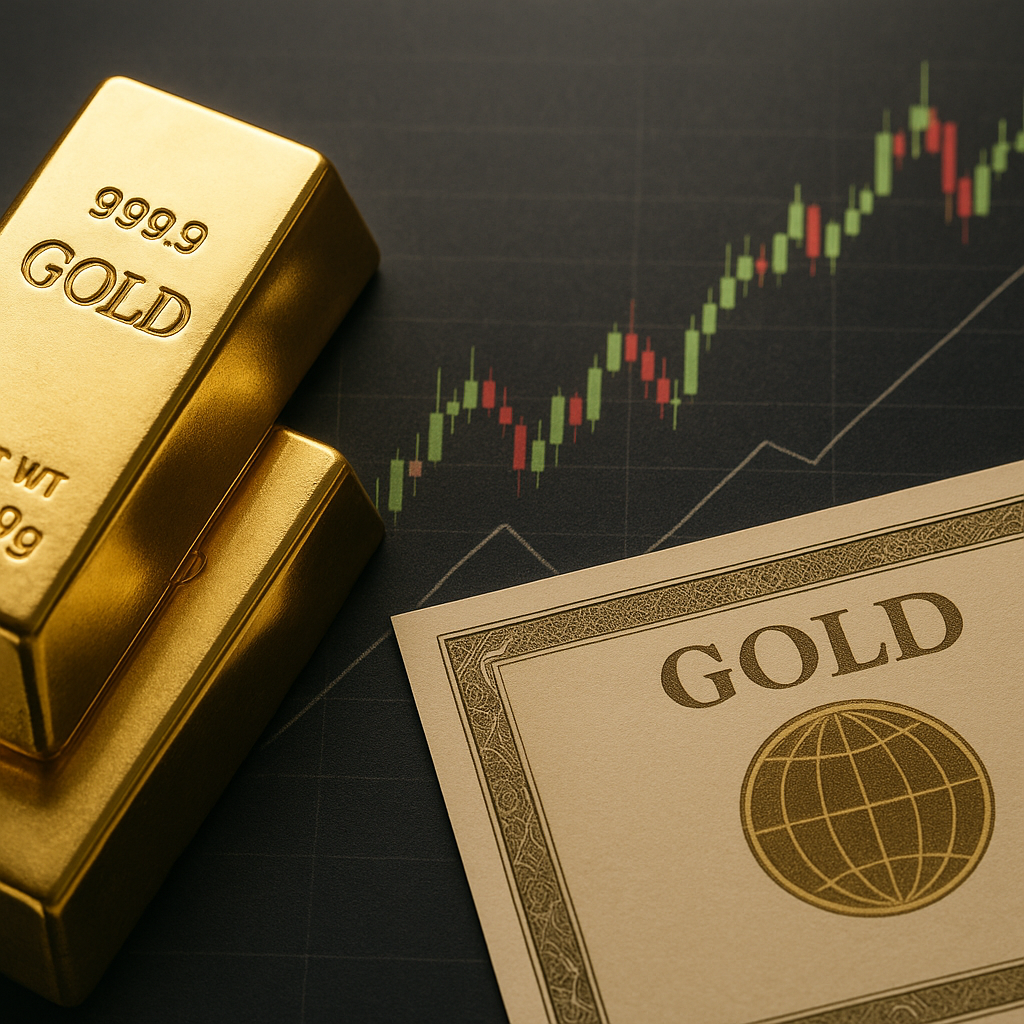
The speculative community, led by hedge funds and macro traders, regularly adjusts its net positions in gold futures and options. Large-scale rebalancing or profit-taking can clash with the activity of long-term investors, driving rapid shifts in order flow. Tracking metrics such as the Commodity Futures Trading Commission’s Commitments of Traders report highlights how extreme Net Long or Net Short stances often precede spikes in price volatility.
3. Liquidity Dynamics
Derivatives markets can offer deeper liquidity than physical trading venues. Yet, in times of stress, liquidity can evaporate as market makers widen bid-ask spreads or withdraw from certain contract months. This thinning of the market can lead to sharp price gaps and dislocations between the spot price and nearby futures, creating a feedback loop of margin calls and hedging adjustments.
Case Studies: Turbulent Spells
Examining historical episodes reveals the outsized role derivatives have played in sharp gold price moves.
2008 Financial Crisis
As global credit markets froze, gold initially rallied as a safe haven. However, heavy margin calls and deleveraging forced many speculative accounts to dump futures contracts, dragging spot prices lower in late 2008. Despite physical demand remaining robust, paper positions dominated the short-term price action.
2013 “Taper Tantrum”
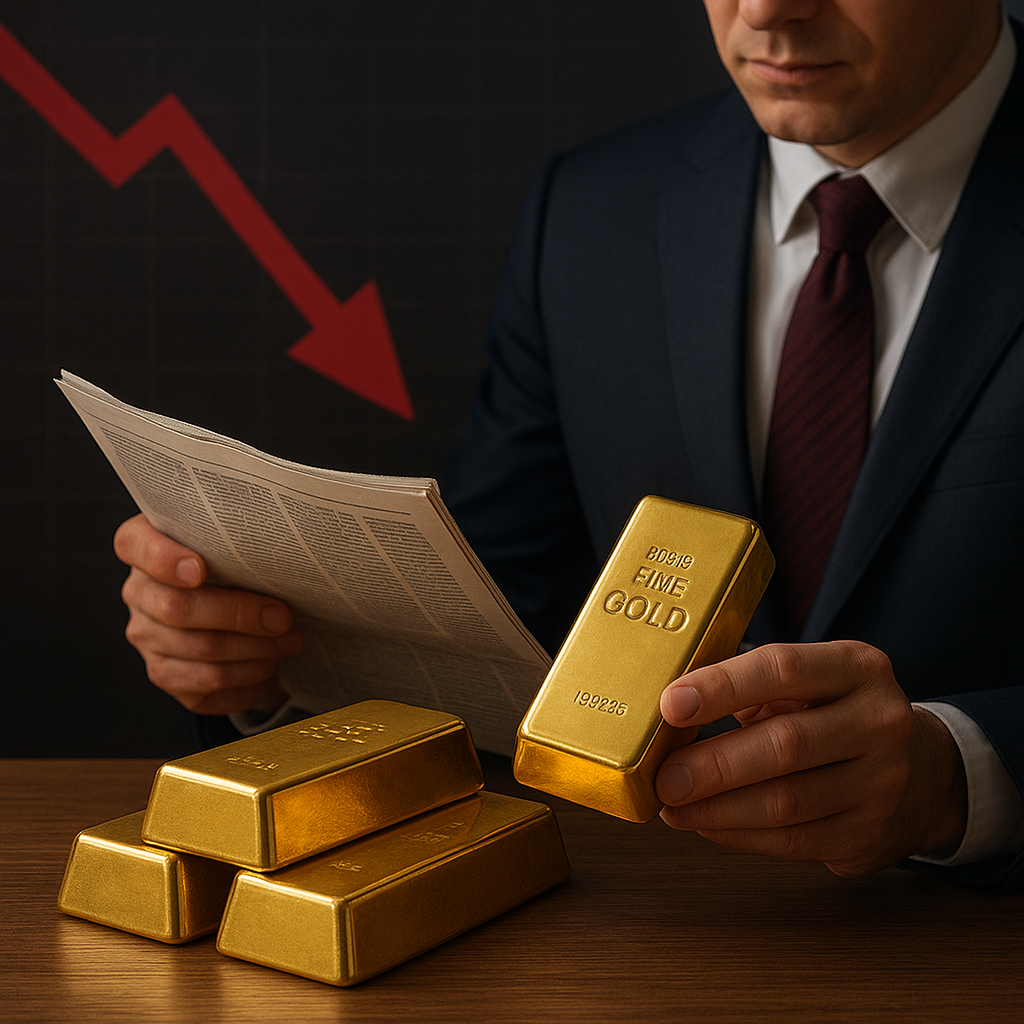
When the U.S. Federal Reserve hinted at reducing quantitative easing, bond yields spiked, and gold sold off dramatically. Traders unwound large long positions in gold futures, sparking a waterfall decline that took bullion down by over 25% in just a few months. The price discovery process became skewed as futures-driven selling overwhelmed underlying demand.
2020 Pandemic Shock
The sudden liquidity crunch in March 2020 saw gold futures plunge nearly 10% in a single session, even as global economic uncertainty soared. Margin requirements soared, and many leveraged funds were forced to liquidate positions. The discrepancy between spot and futures prices reached historic levels, underscoring the systemic influence of derivative markets.
Risk Management and Strategic Use
While derivatives can heighten swings, they also offer vital tools for managing gold-related risks. Firms and investors deploy these instruments in structured ways:
- Hedging physical holdings: Mining companies and jewelers use forwards and futures to lock in prices, insulating cash flows from spot fluctuations.
- Options for insurance: Buyers can purchase put options as a form of downside protection, paying a premium to cap potential losses.
- Complex spreads: Traders exploit inter-month and inter-commodity spreads to profit from relative value shifts rather than outright directional moves.
Effective risk management requires careful calibration of position size, maturity, and counterparty credit. Advanced participants also incorporate volatility modeling to forecast margin requirements and ensure sufficient liquidity buffers.
Regulatory Environment and Future Outlook
Regulators and exchanges continuously monitor derivative markets to curb excessive speculation and maintain orderly trading. Measures have included:
- Tighter margin rules during periods of extreme price fluctuations
- Position limits designed to prevent market cornering
- Transparency initiatives mandating detailed reporting of large trader activity
Looking ahead, innovations such as blockchain-based gold tokens may further alter the balance between physical and paper markets. Meanwhile, central bank policies, geopolitical developments, and shifts in global liquidity will remain key drivers. As participants navigate this evolving landscape, understanding the concealed mechanisms of derivatives is crucial for anticipating the next wave of gold price volatility.