The interplay between global celebrations and the precious metals sector has long captured the attention of analysts, traders, and cultural observers alike. As millions of households participate in age-old customs, the ripple effects on the bullion market become pronounced. This article delves into how surges in festive ornament buying shape the dynamics of gold prices, influence investor sentiment, and interact with broader economic variables.
Festival Season and Jewelry Consumption Patterns
During key annual observances, consumer preferences shift markedly toward ornate pieces. Across Asia, the Middle East, and parts of Africa, gifting and personal adornment traditions drive a substantial rise in jewelry purchases. These purchases are not merely symbolic; they represent a significant portion of global bullion off-take each year. Estimates suggest that up to 20% of total gold demand occurs in the span of just two to three months surrounding major celebrations.
Major Global Festivals
- Diwali: The Hindu festival of lights triggers a wave of buying as families invest in gold ornaments to usher in prosperity.
- Chinese New Year: Under the zodiac’s blessing, red packets often include gold coins or jewelry, cementing the metal’s role in good fortune.
- Eid al-Fitr: In Muslim-majority nations, gifting gold sets and coins to loved ones underscores both generosity and long-term wealth preservation.
- Christmas and Western Holidays: Increasingly, western markets see a boutique segment of high-net-worth buyers seeking bespoke pieces for year-end celebrations.
The confluence of these festivities compresses demand into a short window, creating seasonal pressure points. Artisans ramp up production, while retailers offer promotional pricing to attract consumers before the holiday climax. In turn, wholesalers and refineries must align logistics to ensure uninterrupted supply flows.
Regional Variations in Gold Demand
The allure of gold varies by culture, tradition, and income level. Understanding regional nuances helps explain why price upticks during festival seasons can differ dramatically from one market to another.
South Asia
India and Pakistan dominate South Asia’s bullion landscape. Gold is deeply entwined with matrimonial customs, dowries, and spiritual practices. Leading up to Diwali and wedding season, demand often spikes by as much as 30%. Local jewelers in Mumbai, Jaipur, and Lahore boast robust inventories to meet pre-holiday surges. Despite government-imposed import duties aimed at curbing the trade deficit, willingness to pay premiums remains high.
East Asia
China and Singapore represent the epicenters of East Asian gold consumption. During Chinese New Year, demand for small denominations, such as one-gram coins and thematic bars, rises sharply. Urban middle-class households view these acquisitions as both decorative and a safeguard against inflation. The Shanghai Gold Exchange frequently reports record daily volumes in the weeks before the festivities.
Middle East and North Africa
In Gulf Cooperation Council countries and Egypt, Eid al-Fitr and Eid al-Adha generate robust demand for both bridal trousseaus and investment-grade bars. Gold souks in Dubai and Cairo bustle with activity, drawing buyers from across the region. Attractive financing options offered by local banks and retailers further fuel acquisitions, leading to predictable seasonal price upticks.
Impact on Gold Prices and Market Dynamics
Beneath the surface of festival-driven demand lies a web of price formation mechanisms. Spot quotations, futures contracts, and over-the-counter trades all respond to the ebb and flow of seasonal buying. While macroeconomic factors—such as interest rates and currency movements—remain fundamental, festival cycles introduce an additional layer of volatility.
Seasonal Price Fluctuations
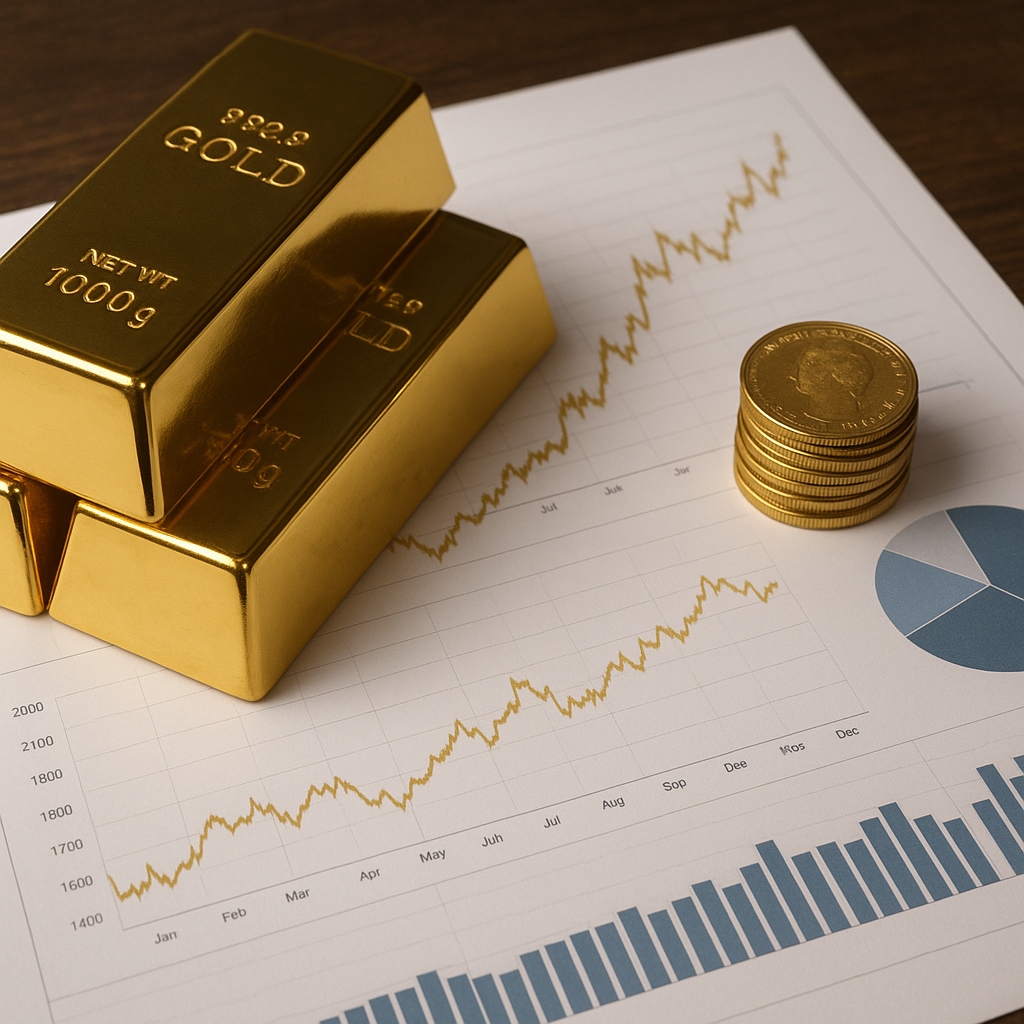
Typically, gold experiences a mild rally from late summer to early autumn as markets anticipate festival buying. This “festive premium” can range from 0.5% to 2% above baseline levels. In years of strong economic growth, momentum traders often amplify these moves, driving short-term spikes in futures open interest. Conversely, when geopolitical risks dominate headlines, festival gains may be muted by risk-off sentiment among investors.
Investor vs. Consumer Behavior
While retail purchasers focus on physical bars and ornaments, institutional players engage via exchange-traded funds (ETFs) and forward contracts. The divergence in product choice can lead to liquidity bottlenecks at times of peak retail demand. For example, a surge in small-coin purchases can drain local refinery inventories, compelling miners to divert shipments and pushing up premiums in regional markets.
Supply Chain Constraints
Refining capacity, transportation logistics, and customs clearance protocols collectively shape how swiftly producers can respond to festival-driven orders. In periods of heightened demand, smelters may operate at maximum throughput, leaving little room for error. Any disruption—be it labor strikes, port congestion, or new import restrictions—can exacerbate price pressures and extend rally durations.
Strategies for Stakeholders
Participants across the gold ecosystem adopt various tactics to navigate the festival season’s peculiarities. Retailers often lock in forward contracts to secure supply at predetermined rates. Central banks may adjust their gold acquisition or lending policies to cushion domestic markets. Meanwhile, speculators deploy algorithmic models that factor in festival calendars alongside macroeconomic indicators.
- Hedging: Producers and large importers utilize options and futures to hedge against short-term price surges.
- Inventory Management: Jewelers time procurement to benefit from off-peak discounts while balancing storage costs.
- Promotional Campaigns: Retail chains launch targeted marketing drives to shift high-margin designs before key festive dates.
- Regulatory Monitoring: Traders keep a close watch on duty adjustments and policy shifts that could alter import-export viability.
As the global festivities calendar grows ever richer—spanning Lunar New Year, Ramadan, Navratri, and Christmas—management of seasonal spikes becomes increasingly sophisticated. Digital platforms now offer real-time alerts on market premiums and regional trends, enabling buyers and sellers to synchronize actions with evolving festival dynamics.