The debate over reinstating a gold standard has gained renewed attention as fluctuations in global markets underscore concerns about fiscal responsibility and the long-term stability of fiat systems. This resurgence of interest in a commodity-backed monetary framework is driven by a mix of historical reflection, present-day economic pressures, and projections of future market trajectories. By examining the journey of gold from ancient trade to modern investment, one can better appreciate the complexities involved in potentially anchoring contemporary currencies to this timeless metal.
Historical Context of Gold as a Monetary Anchor
Gold has served as a foundation for economic exchange for millennia, influencing empires, shaping trade routes, and providing a tangible measure of value. The concept of a commodity-backed currency evolved as societies sought stability and confidence in their mediums of exchange. The classical gold standard of the late 19th and early 20th centuries mandated that governments hold sufficient gold reserve to redeem domestic notes on demand. This system constrained excessive currency issuance, thereby controlling inflation and promoting balanced trade.
During World War I, pressure on national treasuries led many countries to suspend gold convertibility in order to fund military expenditures, marking the beginning of the end for the traditional standard. The interwar period, characterized by fluctuating gold parity and competitive devaluations, revealed the fragility of any monetary regime divorced from fiscal discipline. After the Second World War, the Bretton Woods Agreement introduced a modified gold-linked system with the US dollar at its center, effectively making the greenback the world’s primary anchor. However, by 1971, persistent deficits and growing demands for physical gold forced the US to close the “gold window,” replacing it with the modern era of floating exchange rates and purely fiat currencies.
Contemporary Dynamics of World Gold Price Movements
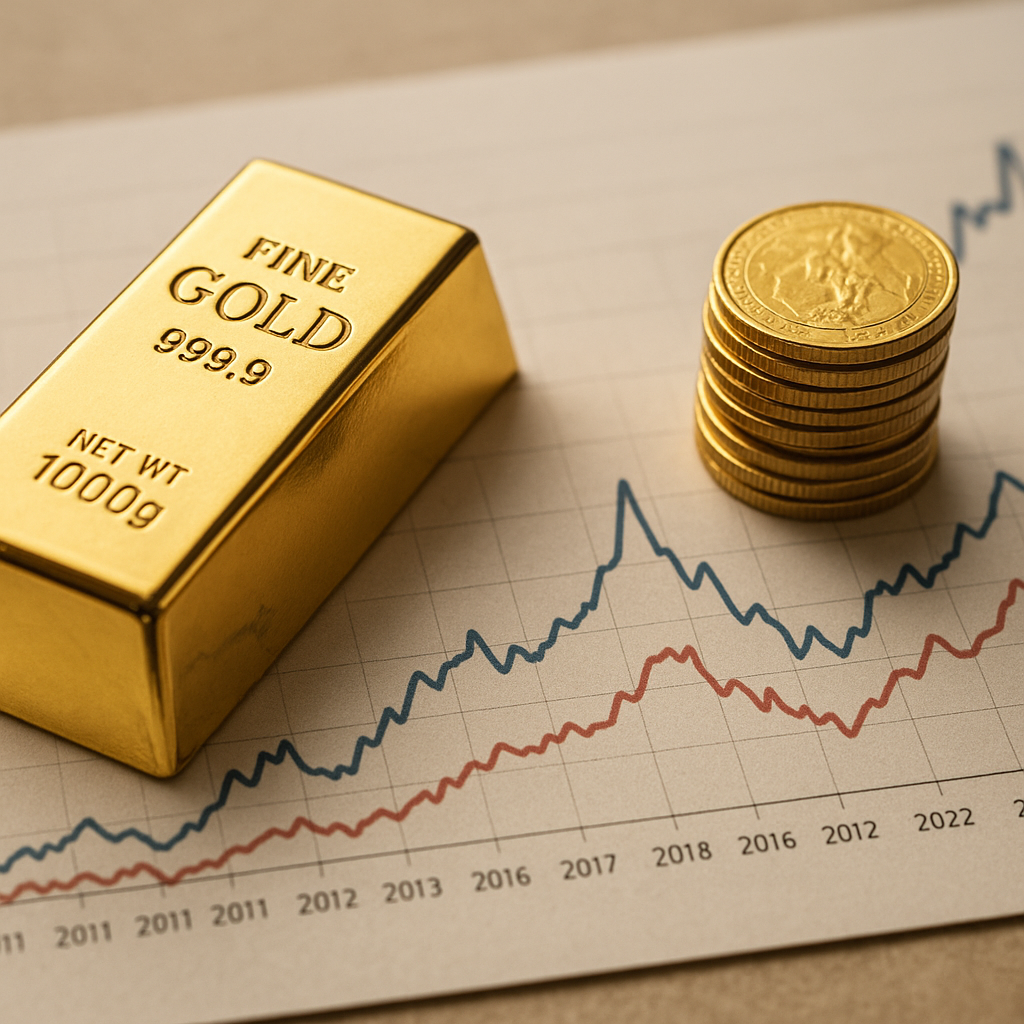
In an age where digital transactions and central bank interventions predominate, the gold market continues to exert a magnetic pull on investors and policymakers alike. Recent episodes of economic stress—such as the global financial crisis of 2008, the Eurozone debt turmoil, and the COVID-19 pandemic—have catalyzed surges in gold prices as market participants sought safe-haven assets. The metal’s allure derives from its finite supply, intrinsic value across cultures, and historical track record of preserving purchasing power during periods of currency volatility.
- Central bank purchases: Nations aiming to diversify foreign exchange holdings have ramped up gold acquisitions, reinforcing its role as a buffer against geopolitical tensions.
- Investor sentiment: Exchange-traded funds and retail platforms facilitate swift entry into the gold market, amplifying price swings during episodes of risk aversion.
- Industrial and jewelry demand: While investment accounts for a significant portion of consumption, demand from manufacturers and artisans adds another dimension to supply-and-demand dynamics.
The interaction between supply constraints and surging demand has elevated the global price of gold to all-time highs in many currencies. Some analysts attribute these peaks to fears of unchecked monetary expansion and the specter of runaway monetary stimulus eroding fiat currency purchasing power. Others highlight the role of speculative positioning in futures markets, where leveraged bets can exacerbate short-term price movements. This tension between fundamental demand drivers and market speculation creates an environment in which gold’s status as a hedge remains both celebrated and critiqued.
Economic Arguments for and against a Renewed Gold Standard
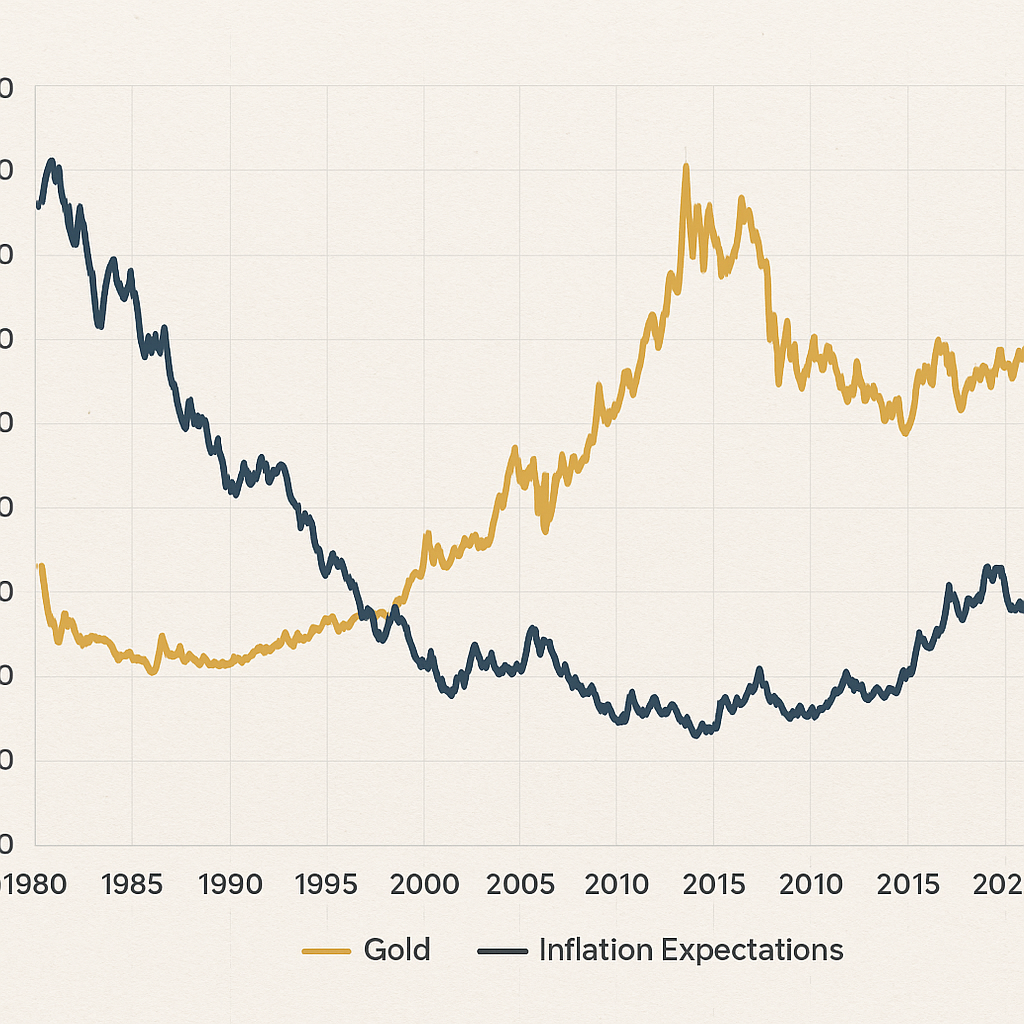
Proponents of re-establishing a gold-based monetary system argue that it would impose fiscal discipline on governments, limit the scope of central bank interventions, and reduce the likelihood of currency debasement. They emphasize gold’s ability to anchor expectations, minimise inflationary pressures, and restore trust in institutions by providing transparent rules for currency issuance. A fixed exchange regime backed by gold could, in theory, promote stable trade balances and diminish the incentive for competitive devaluations.
Opponents counter that a gold standard would stifle economic flexibility, particularly during recessions or financial crises. With the money supply tethered to gold stockpiles, central banks would have limited capacity to enact accommodative policy measures, potentially deepening downturns. Critics also point out that gold discoveries and technological advancements in mining can lead to supply shocks, making the system vulnerable to unexpected shifts in output. Moreover, the logistical challenges and costs of transferring large quantities of bullion could hamper modern payment infrastructures.
Beyond these arguments lies a broader debate over the nature of backing for money. While gold offers a tangible collateral, fiat systems base value on collective confidence and the rule of law. Determining which model better suits the complexities of a globalized economy involves weighing principles of sovereignty, the demands of international policy coordination, and the evolving needs of digital finance.
Future Perspectives and Potential Scenarios
As central banks continue to diversify assets and cryptocurrencies emerge as alternative stores of value, the role of gold in the global monetary order stands at a crossroads. Several scenarios illustrate how the debate might unfold:
- Incremental reinforcement: A shift toward partial gold backing, where central banks adopt modest gold covenants or link reserve requirements to gold holdings without full convertibility.
- Hybrid monetary frameworks: Combining elements of commodity-backed and fiat systems, allowing for flexible currency issuance within predefined gold-pegged corridors.
- Digital gold currencies: Tokenized representations of physical gold traded on blockchain platforms, blending the metal’s appeal with modern payment technologies.
- Complete abandonment of gold anchors: Continuation of unrestricted fiat regimes, with policy focus on targeting inflation and employment metrics rather than commodity linkages.
Each trajectory entails trade-offs between stability and flexibility, sovereignty and coordination. Should global economic governance tilt toward greater integration and uniform standards, a revived gold mechanism might serve as a unifying benchmark. Conversely, rising nationalism and divergent monetary policy priorities could cement the dominance of decentralized fiat solutions.
Key Factors Influencing the World Gold Price Landscape
Understanding the drivers of gold valuations is crucial for anticipating potential shifts toward commodity-based monetary arrangements. The primary influences include:
- Macroeconomic indicators: Inflation rates, interest rate differentials, and GDP growth forecasts shape expectations for real yields and opportunity costs of holding gold.
- Geopolitical risks: Conflicts, trade disputes, and diplomatic uncertainties can prompt safe-haven flows, lifting spot prices on heightened risk perceptions.
- Currency movements: Depreciating currencies often correlate with rising local gold prices, as investors seek protection against purchasing power erosion.
- Technological progress: Advances in mining, refining, and recycling impact effective supply, while innovations in digital custody and trading platforms influence accessibility.
- Regulatory environment: Tax regimes, import-export controls, and central bank policies shape institutional and retail participation levels in gold markets.
By monitoring these variables, investors and policymakers can gauge the strength of any resurgence in gold standard sentiment. Even without a formal reinstatement, the metal’s enduring role as a cornerstone of financial security underscores its lasting significance in an ever-evolving monetary order.