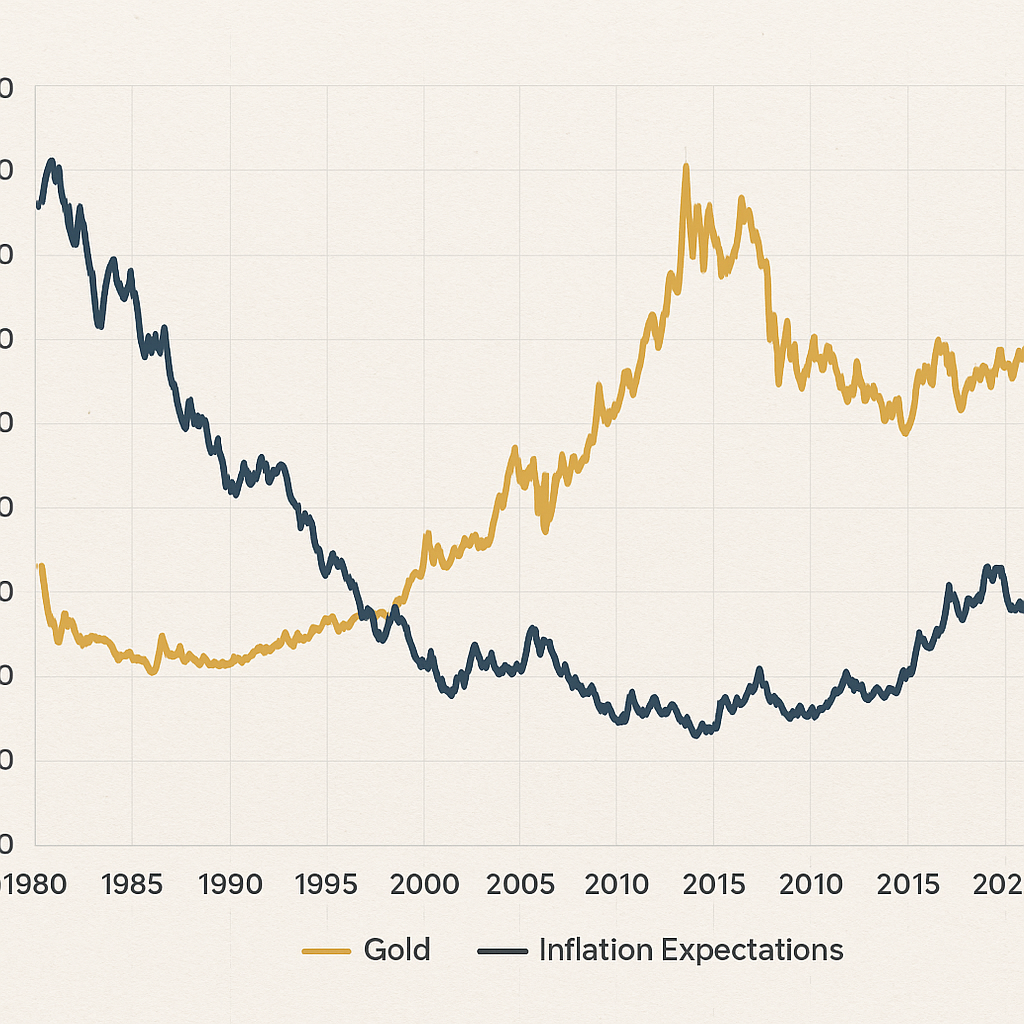
The Role of Gold in Portfolio Risk Management explores how the longstanding allure of precious metals continues to shape modern investment philosophy. As market participants seek resilience amid economic uncertainties, gold emerges as a unique asset class offering a combination of diversification, liquidity, and protection against inflation. This article delves into the mechanisms by which gold interacts with global market forces, its price dynamics, and the practical considerations for incorporating it into a balanced investment strategy.
Gold as a Hedge Against Market Volatility
Investors often view gold as a safe-haven asset—a refuge when equities tumble or bond yields plunge. Historical data reveals that during periods of sharp volatility, gold prices tend to rise or at least hold steady, providing a buffer against losses in riskier asset classes. This counter-cyclical behavior stems from several factors:
- Psychological Appeal: Gold’s enduring cultural value makes it a preferred store of wealth when confidence in fiat currencies diminishes.
- Negative Correlation: Empirical studies demonstrate a low or negative correlation between gold and equities, enhancing the overall stability of a diversified portfolio.
- Inflation Protection: As central banks expand balance sheets and inject liquidity, gold often outperforms other assets during inflationary spikes.
Moreover, gold’s role in risk management becomes evident when traditional hedging instruments fail or carry elevated counterparty risk. Unlike derivatives or insurance contracts, physical gold does not rely on a third party for settlement, reducing credit concerns during systemic stress.
Global Price Dynamics of Gold
The world gold price reflects a delicate balance between supply constraints, demand drivers, and macroeconomic sentiment. Key determinants include:
- Mining Supply: Limitations in new gold discoveries and rising extraction costs increase scarcity, supporting higher price floors.
- Central Bank Purchases: Official sector demand can shift rapidly, as large-scale acquisitions by emerging-market banks signal confidence in long-term monetary stability.
- Currency Fluctuations: Since gold is denominated in U.S. dollars, a weakening dollar typically boosts the dollar-denominated gold price, while a stronger dollar may exert downward pressure.
- Geopolitical Tensions: Conflicts and trade disputes often trigger flight-to-quality flows into gold, reflecting its status as an asset unlinked to any single economy.
These elements combine to generate complex price patterns. For example, after the 2008 financial crisis, unprecedented monetary easing lifted gold from around $800 to over $1,900 per ounce by 2011. Similarly, during the COVID-19 outbreak, gold experienced surges as global governments unleashed fiscal stimuli, underscoring its sensitivity to monetary policy shifts and investor sentiment.
Incorporating Gold into Portfolio Strategies
Effective allocation to gold requires understanding its unique risk-return profile. Traditional mean-variance optimization models often suggest weightings between 5% and 15%, balancing the benefits of reduced overall volatility against the opportunity cost of capital. Key approaches include:
- Physical Bullion: Direct ownership of coins or bars ensures absolute liquidity and no counterparty exposure, though it entails storage and insurance costs.
- Exchange-Traded Funds (ETFs): Gold ETFs offer convenient market access and low transaction fees, albeit with minimal counterparty risk embedded in the fund structure.
- Gold Mining Stocks: Equity positions in mining firms present leveraged exposure to changes in the gold price but introduce operational and geopolitical risks tied to specific jurisdictions.
- Futures and Options: Derivative instruments allow for strategic hedge positions and dynamic exposure adjustments but demand sophisticated risk controls and margin management.
When constructing a diversified portfolio, investors should assess the marginal contribution of gold to expected returns and risk. Scenario analyses—stress-testing how gold performs under equity drawdowns or rising inflation—offer insights into portfolio resilience. For instance, a well-timed increase in gold holdings ahead of a currency devaluation can preserve purchasing power and mitigate losses in bond allocations.
Challenges and Considerations
Despite its advantages, gold is not without pitfalls. Price movements can be abrupt and influenced by speculative flows, leading to short-term drawdowns. Further challenges include:
- Cost of Ownership: Physical gold carries storage, security, and insurance expenses that may erode net gains over time.
- Opportunity Cost: In prolonged bull markets for equities or real estate, gold may underperform, reducing total portfolio returns.
- Regulatory Shifts: Changes in taxation or capital controls on gold transactions can impact market liquidity and investor behavior.
- Transmission Delays: While gold responds to macroeconomic signals, lag times between policy announcements and price movements can complicate tactical allocation decisions.
To address these issues, investors should maintain clear guidelines on rebalancing triggers, cost thresholds, and strategy horizons. Combining quantitative models with qualitative judgments about central bank policies, global trade developments, and currency trajectories enhances decision-making precision.