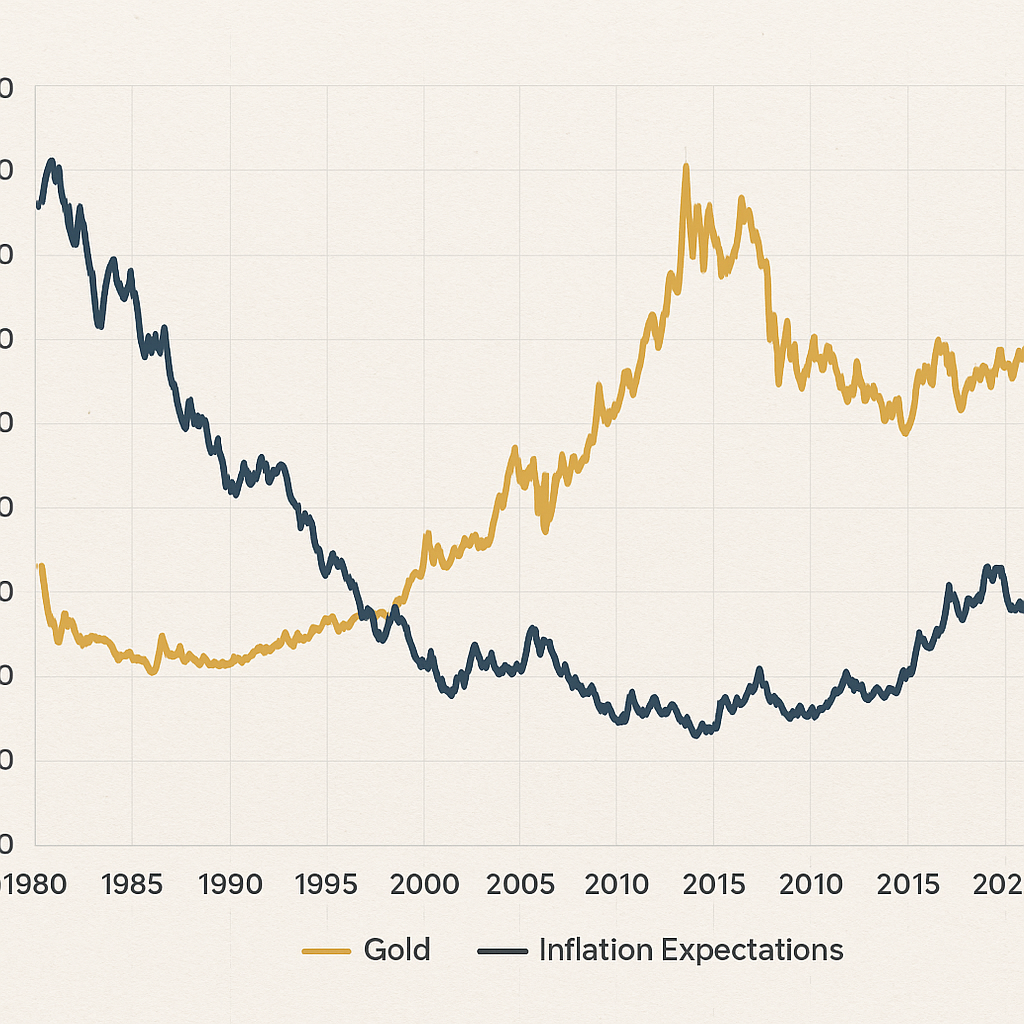
The intricate relationship between the U.S. dollar and the global gold market has long fascinated economists, investors, and policymakers alike. As the world’s primary reserve asset, gold plays a pivotal role in diversifying portfolios, hedging against risk, and preserving wealth. Its value often moves inversely to debt-laden currencies, especially the dollar, which serves as the benchmark for international trade and finance. By examining the dynamics that connect these two key assets, one can gain valuable insights into market behavior, investment strategies, and the broader health of the global economy.
The Interplay Between the U.S. Dollar and Gold
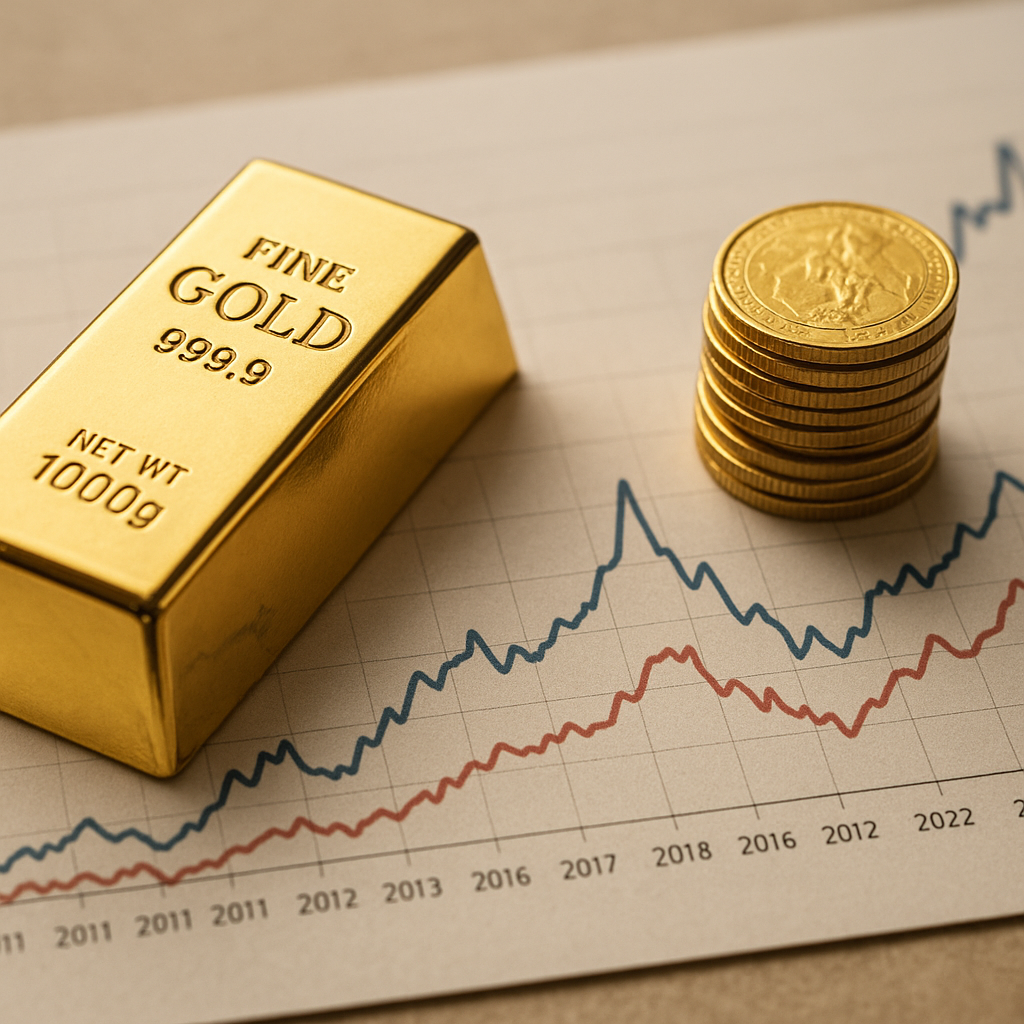
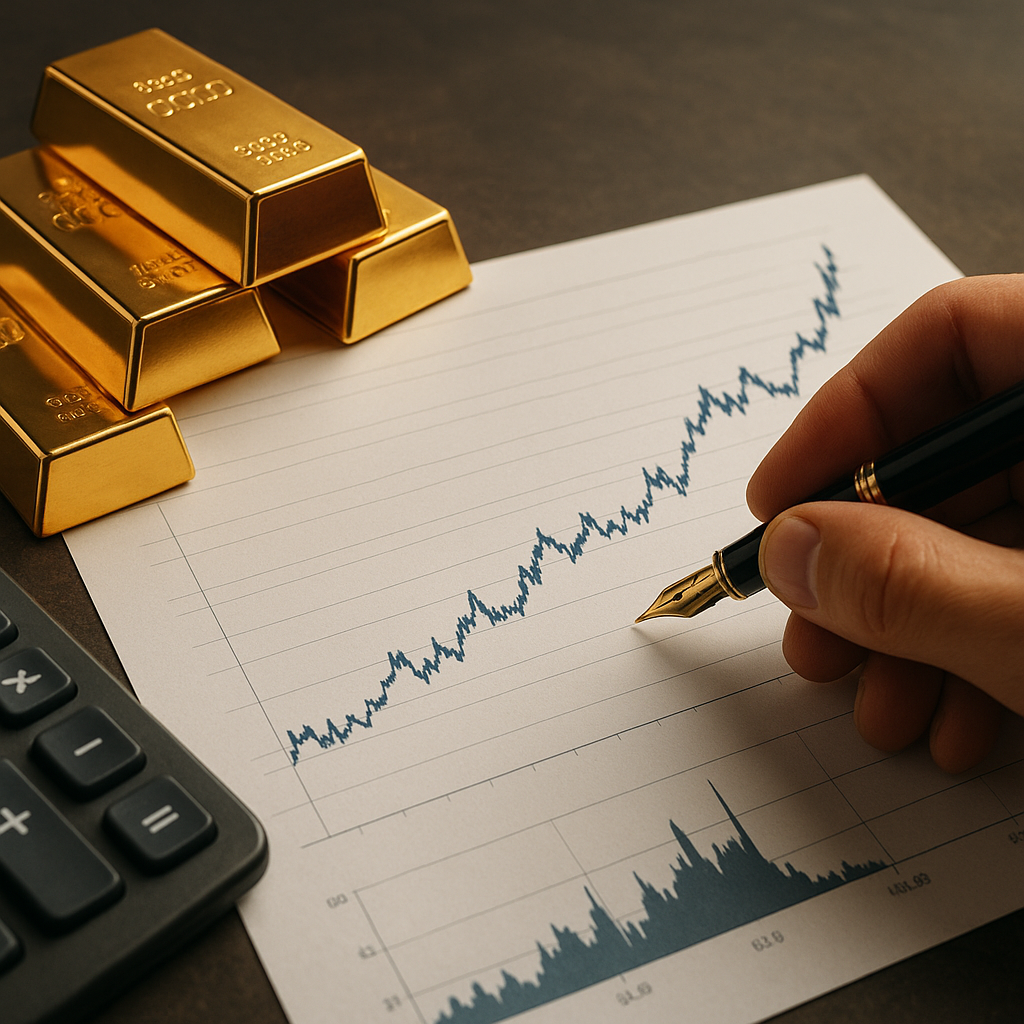
When the U.S. dollar strengthens, gold prices typically decline. This inverse correlation arises because a robust dollar makes gold more expensive for holders of other currency units, reducing global demand. Conversely, a weaker dollar lowers the relative price of gold, encouraging purchases from central banks, institutional investors, and private individuals. Throughout history, notable periods of heightened inflation or geopolitical tension have triggered surges in gold’s value, as market participants seek a safe haven against volatile financial conditions.
Key mechanisms underlying this relationship include:
- Foreign Exchange Dynamics – A stronger greenback often reflects widening interest rate differentials or positive U.S. economic data, making dollar-denominated assets more attractive. As a result, demand for gold, priced in dollars, diminishes.
- Central Bank Accumulation – Economies diversifying their reserve holdings tend to buy gold when the dollar exhibits signs of devaluation. Central banks, wary of currency volatility, allocate a portion of their foreign exchange reserves to bullion for stability.
- Liquidity Conditions – During periods of ample market liquidity and aggressive monetary stimulus, investors might chase higher-yielding assets like equities and bonds. If liquidity tightens or quantitative easing retreats, gold often regains its allure as a non-yielding yet reliable store of value.
Historical Episodes
In the late 1970s, rampant inflation in the United States pushed gold prices to then-record highs, even as the dollar slumped against major peers. Similarly, the 2008 financial crisis prompted a dramatic shift toward gold as the Federal Reserve expanded its balance sheet through quantitative easing. By contrast, the post-2015 period of U.S. economic expansion and Fed rate hikes saw a pronounced dollar rally accompanied by a temporary lull in gold’s advance.
Global Economic Indicators Influencing Gold Prices
Beyond the direct exchange rate impact, a broad array of macroeconomic variables shapes the gold market. Understanding these drivers can help investors anticipate shifts in supply and demand, enabling them to position themselves effectively.
- U.S. Interest Rates – Tighter monetary policy raises the opportunity cost of holding non-yielding assets. When the Federal Reserve increases its policy rate, bond yields climb, diverting capital away from gold and toward fixed-income instruments.
- Global Growth Prospects – Economic slowdowns in major economies like China or the Eurozone can enhance gold’s appeal as a defensive asset. Sluggish growth often coincides with currency weakness, further boosting bullion’s status as a hedge.
- Fiscal Policies – Large budget deficits and mounting public debt can undermine confidence in fiat money. In response, investors may flock to gold to preserve purchasing power, especially when government spending outpaces revenue.
- Geopolitical Risks – Conflicts, trade tensions, and political instability can disrupt markets, prompting a flight to safety. Gold, long regarded as a crisis commodity, often benefits from spikes in risk aversion.
These factors intersect with the dollar’s trajectory to create complex feedback loops. For example, a sustained rise in U.S. yields might bolster the dollar, while simultaneously dampening gold demand. On the other hand, growing debt concerns or a weakening outlook for global growth could exert downward pressure on the dollar, indirectly stimulating bullion purchases.
Strategies for Investors Amid Dollar Fluctuations
In light of the dynamic interplay between the U.S. dollar and gold, investors can adopt several approaches to manage risk and capture potential gains:
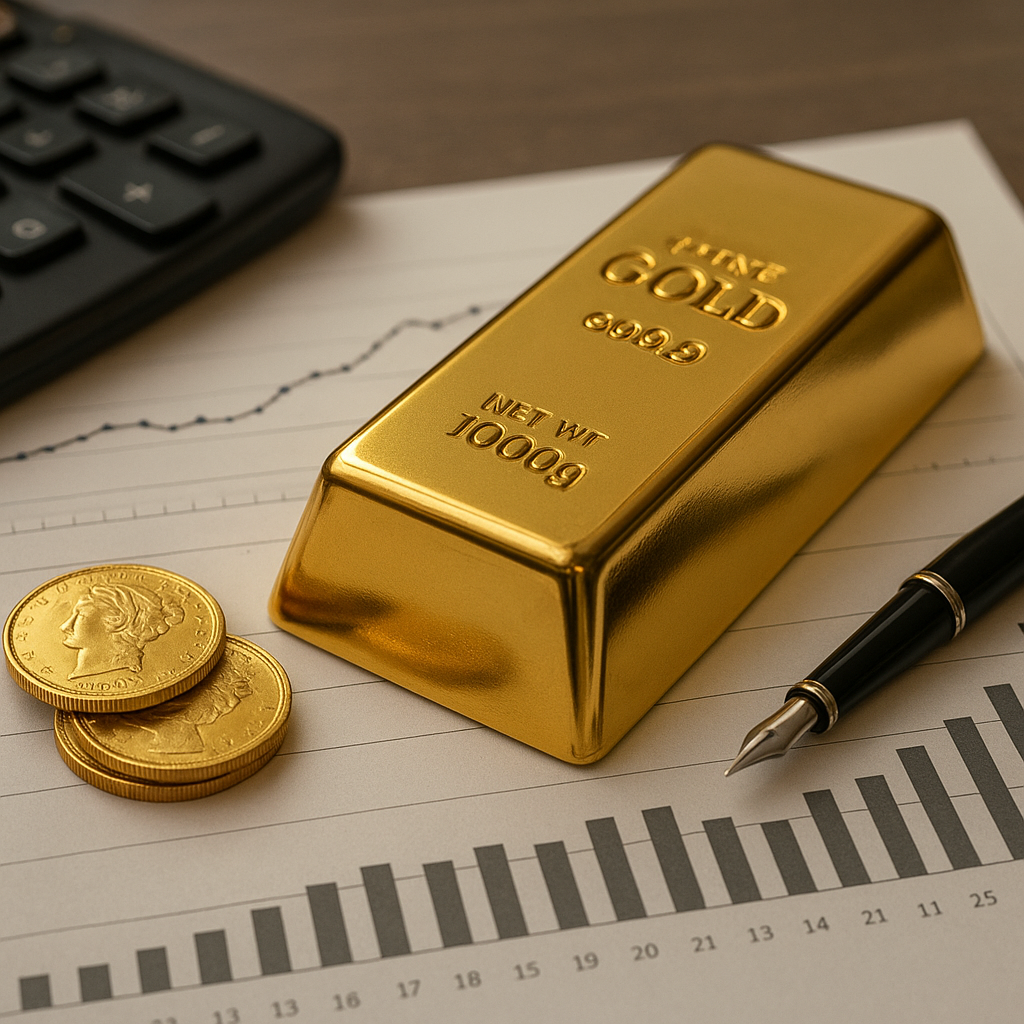
- Direct Bullion Ownership – Holding physical bars or coins offers a pure exposure to price movements. This approach provides security against systemic banking failures but involves storage and insurance costs.
- Exchange-Traded Funds (ETFs) – Gold-backed ETFs deliver low-cost, liquid access to the market. They allow investors to track gold’s performance without handling physical metal.
- Mining Stocks and Funds – Equity exposure to gold miners can amplify returns when prices rise. However, miner profitability also hinges on operational efficiency, input costs, and geopolitical factors in resource-rich jurisdictions.
- Derivative Instruments – Futures contracts and options enable sophisticated strategies, including covered calls or protective puts. These tools can be used to lock in prices or limit downside risk in volatile dollar environments.
Timing plays a critical role. When the greenback shows signs of weakening, ramping up gold allocations can serve as an effective hedge against further depreciation. Conversely, during periods of dollar strength, investors might tilt toward higher-yielding assets or reduce exposure to non-interest-bearing holdings. Ultimately, a balanced portfolio that considers both currency risk and real asset protection can navigate the complexities of global financial markets more successfully.