In an ever-shifting global economy, the price of gold reflects a complex interplay of factors that go beyond simple supply and demand. From rising inflation to central bank policies, each element shapes how this precious metal is valued on world markets. Understanding these driving forces can help investors, analysts, and policymakers anticipate trends and make informed decisions.
Inflation and Currency Fluctuations
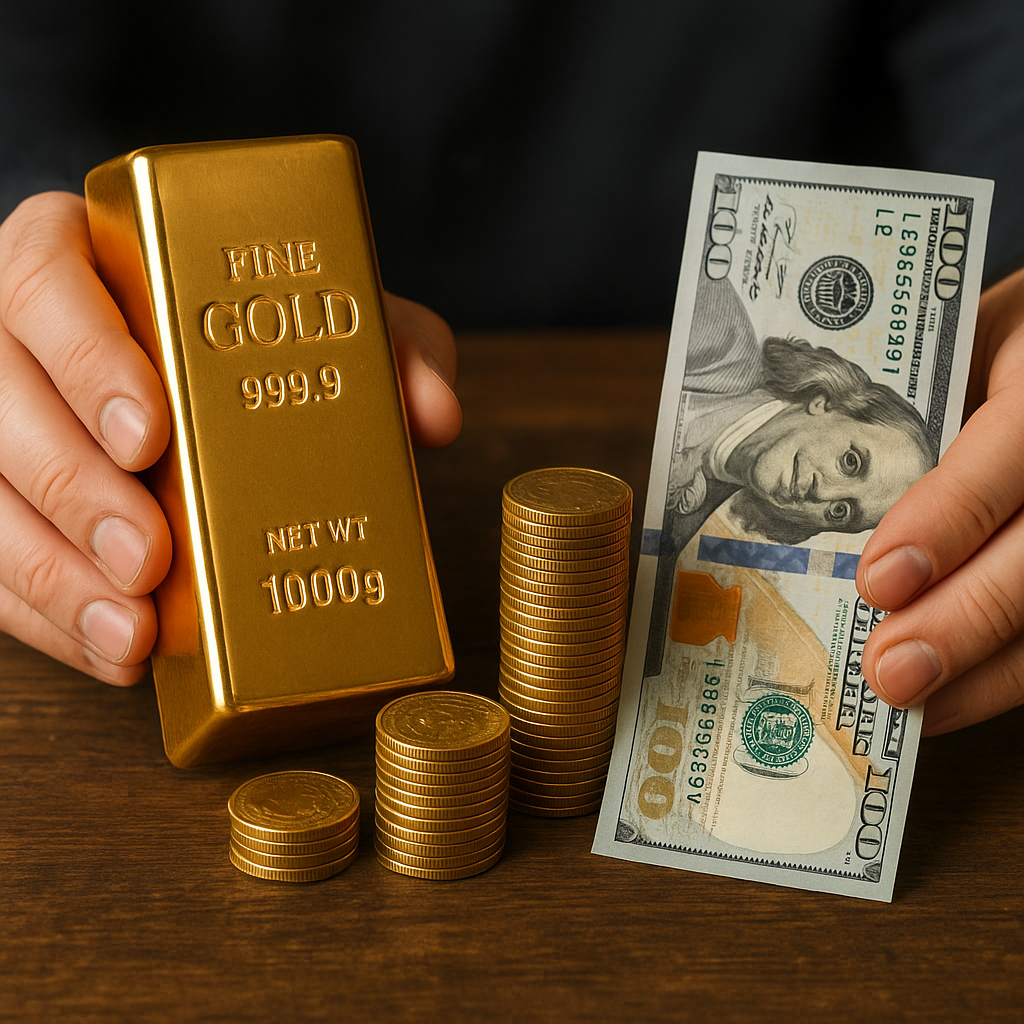
The role of inflation in determining gold’s value cannot be overstated. When consumer prices climb, paper currencies lose purchasing power, making tangible assets like gold more attractive. Traders often monitor inflation gauges such as the Consumer Price Index (CPI) or Producer Price Index (PPI) to gauge future moves in gold prices. Simultaneously, fluctuations in major fiat currency pairs—particularly the US dollar—have a direct impact on gold quotations. A weaker dollar generally boosts gold in dollar-denominated markets, since it becomes cheaper for holders of other currencies to pick up physical or paper gold.
Key Indicators
- Consumer Price Index (CPI) trends
- Federal funds rate decisions
- US dollar index (DXY) movements
- Purchasing Managers’ Index (PMI) data
Investors often use gold as a hedge against unpredictable inflation, turning to bullion when central banks pursue loose monetary policies or when stimulus measures flood the economy with liquidity.
Supply and Demand Dynamics
Beyond monetary factors, the intrinsic supply of gold and its industrial and jewelry demand significantly influence its spot and futures prices. On the supply side, mining output fluctuates based on geological discoveries, operational costs, and geopolitical stability in key producing regions such as South Africa, Australia, and Russia. Constraints like labor strikes, environmental regulations, or energy shortages can throttle production, tightening global supply flows.
Conversely, demand drivers range from consumer jewelry purchases—predominantly in India and China—to industrial uses in electronics and dentistry. Central banks also contribute to demand by adding gold to official reserves. The balance between these supply and demand forces is often reflected in the London Bullion Market Association (LBMA) data, which tracks daily volumes and inventory levels. Tightening supply or surging demand can trigger rapid price appreciations, while oversupply scenarios may pressure the market downward.
Central Bank Reserves and Policies
Official purchases and sales by national treasuries and central banks remain one of the most potent influences on global gold pricing. Central banks hold gold as part of their foreign exchange reserves to diversify risk and bolster financial stability. When major institutions like the European Central Bank (ECB), the People’s Bank of China, or the Bank for International Settlements (BIS) announce net purchases, the market often reacts with a bullish sentiment.
Policy shifts—such as quantitative easing programs or adjustments to reserve allocation targets—can also sway gold’s appeal as a non-yielding asset. For example, in periods of aggressive rate cuts, gold yields a relative opportunity cost advantage, attracting portfolio inflows. Conversely, if central banks decide to offload gold or if they signal tightening monetary frameworks, gold prices may come under downward pressure.
Geopolitical Tensions and Safe-Haven Appeal
Gold’s reputation as a safe-haven asset stems from its resilience during times of upheaval. Heightened geopolitical tensions—whether due to armed conflicts, trade wars, or political unrest—often prompt investors to rotate capital out of volatile equity markets and into gold. The metal’s low correlation with stocks and bonds makes it a preferred instrument for capital preservation when volatility spikes.
Market participants track events such as sanctions, diplomatic breakdowns, and regional skirmishes to gauge potential safe-haven flows. For instance, an escalation in Middle East hostilities or a sudden deterioration in US-China relations can lead to a sharp uptick in gold demand, driving prices higher in mere hours. This reactive dynamic underscores gold’s role as a counterbalance to systemic risk and financial uncertainty.
Investment Demand and Market Liquidity
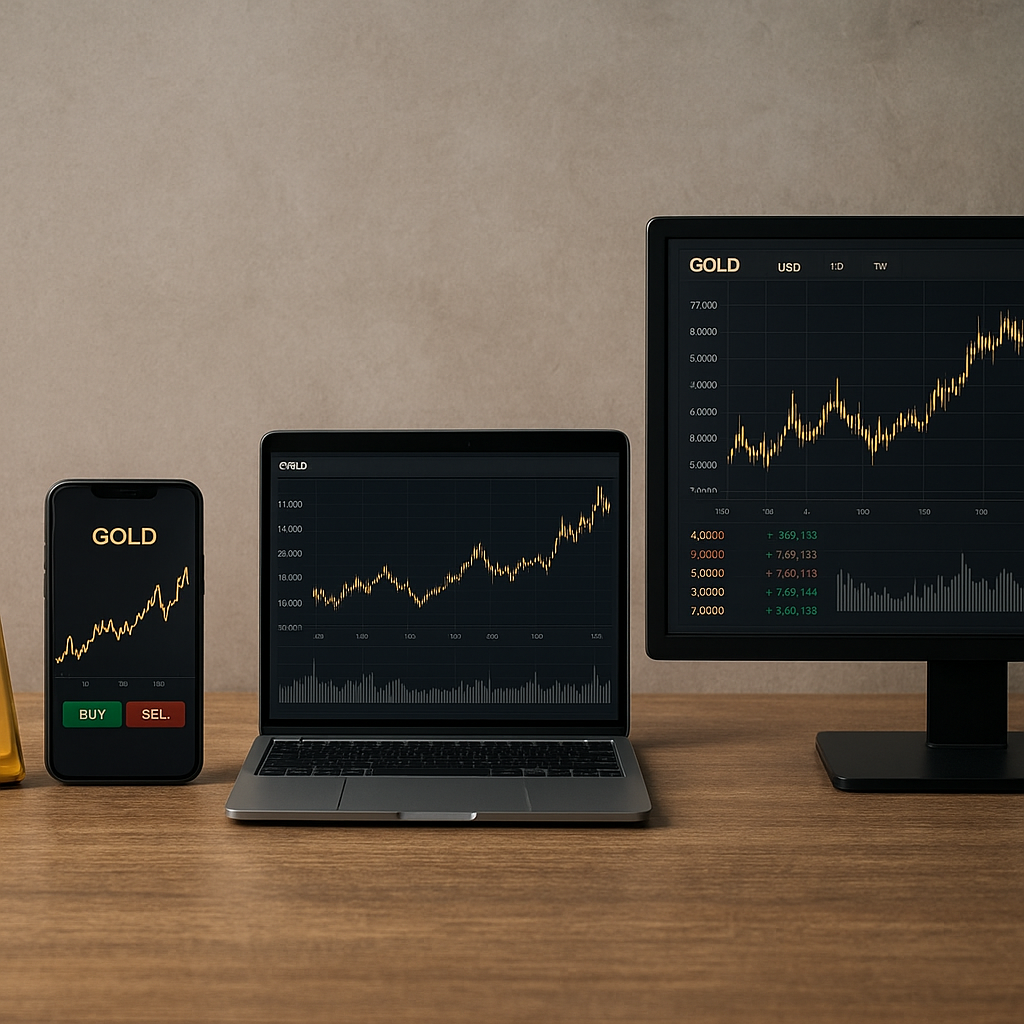
Finally, the aggregate investment demand in various financial instruments shapes gold’s market dynamics. Exchange-traded funds (ETFs), futures contracts, and over-the-counter derivatives allow both retail and institutional investors to gain exposure without physical delivery. The holdings of major gold ETFs, such as SPDR Gold Shares (GLD), serve as barometers of investor sentiment.
The market’s liquidity—or ease of buying and selling—also affects short-term price volatility. Highly liquid markets promote narrow bid-ask spreads and reduce transaction costs, encouraging greater participation. Conversely, sudden surges in volume during crisis periods can create temporary liquidity crunches, widening spreads and exacerbating price swings. Additionally, margin requirements on futures exchanges can amplify price movements when leveraged positions are liquidated, adding to market turbulence.
Overall, the interplay between supply constraints, investor demand, and the mechanics of liquidity provision underpin gold’s status as both a commodity and a financial asset. By monitoring these five critical factors, stakeholders can better anticipate the metal’s trajectory and craft strategies that align with evolving market conditions.