The global gold market operates through a complex interplay of immediate transactions and forward contracts, each reflecting unique dynamics and price determinants. Investors, traders, and institutions must navigate these mechanisms to optimize strategies and manage risks effectively. By examining key distinctions between spot and futures markets, one gains deeper insight into price discovery, risk management, and market sentiment.
Overview of Global Gold Trading
Gold has served as a store of value and medium of exchange for centuries, and it retains a pivotal role in modern financial markets. Two primary venues facilitate gold trading: the spot market and the futures market. Each market segment offers distinct features:
- Spot Market: Immediate delivery of physical gold at the prevailing market price, known as the spot price. Settlement typically occurs within two business days.
- Futures Market: Standardized contracts traded on exchanges, obligating parties to deliver or receive gold on a specified future date at a predetermined price.
These markets coexist, influencing each other through arbitrage opportunities and shared underlying fundamentals. Understanding their nuances is vital for participants seeking to leverage gold’s attributes—such as a hedge against inflation, diversification, and a safe-haven asset.
Key Differences Between Spot Prices and Futures Prices
While spot and futures prices often move in tandem, certain factors drive divergence. Recognizing these differences allows market participants to identify pricing inefficiencies, manage exposure, and craft sophisticated trading strategies.
Nature of Transaction
- Spot transactions involve immediate exchange of gold and payment. They reflect current supply and demand dynamics.
- Futures contracts represent a promise to buy or sell at a future date. They incorporate expectations about interest rates, storage costs, and market sentiment.
Impact of Carry Costs
Futures prices incorporate carry costs, which include storage fees, insurance, security expenses, and financing rates. When carry costs rise, futures prices typically exceed spot prices, leading to a state known as contango. Conversely, backwardation occurs when immediate demand outstrips future demand, driving futures prices below spot.
Role of Interest Rates
Interest rate fluctuations influence the cost of capital needed to finance gold holdings. Higher interest rates increase the opportunity cost of holding non-yielding assets like bullion, thus affecting the futures premium. Traders often analyze central bank policies and macroeconomic indicators to forecast future price spreads between spot and futures contracts.
Market Sentiment and Speculation
Investor sentiment, risk appetite, and speculative flows can amplify price differences. In periods of heightened uncertainty, speculators may drive futures prices away from spot due to leveraged positions and margin requirements. Understanding these dynamics is crucial for managing volatility and anticipating potential reversals.
Factors Driving Price Dynamics in Gold Markets
Gold’s price behavior arises from a confluence of economic, geopolitical, and technical factors. Delving into these drivers enhances one’s ability to interpret price movements in both spot and futures realms.
Macroeconomic Indicators
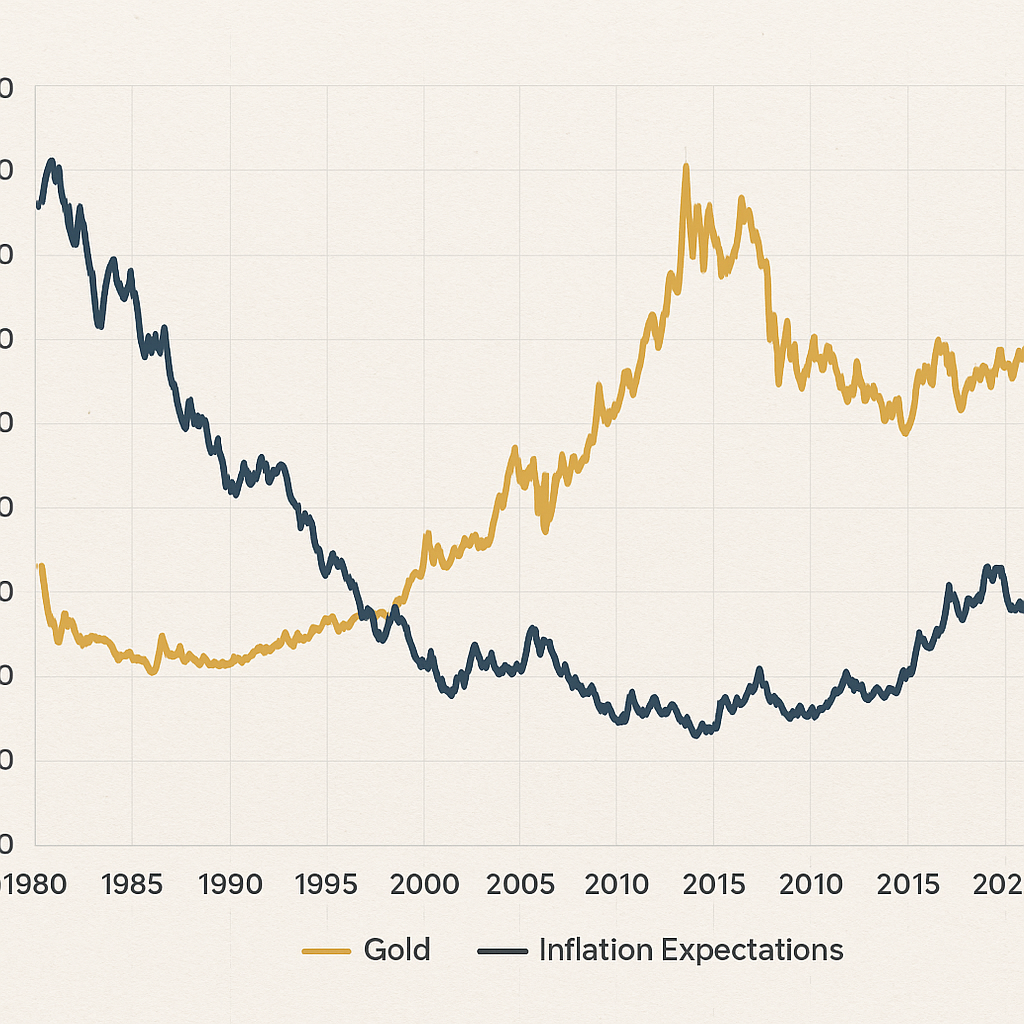
- Inflation Metrics: Rising consumer prices often bolster gold’s appeal as an inflation hedge.
- Central Bank Policies: Quantitative easing, interest rate adjustments, and foreign reserve diversification influence demand for physical bullion.
- Currency Fluctuations: Gold is primarily priced in US dollars. A weaker dollar typically elevates dollar-denominated gold prices, whereas a stronger dollar exerts downward pressure.
Geopolitical Risks
Political instability, conflict, and trade tensions trigger flight-to-safety flows. Investors seeking capital preservation may favor gold over riskier assets, pushing up spot volumes and futures positioning. Elevated geopolitical risk often correlates with higher implied volatility in gold futures, reflected in option prices and margin requirements.
Supply and Production Trends
Global mining output, exploration expenditures, and the discovery of new deposits affect long-term supply prospects. Central banks’ gold sale or purchase programs also shape market liquidity and sentiment. Disruptions in major producing regions can tighten physical supply, widening the premium between spot and nearby futures contracts.
Technical Analysis and Trend Patterns
Chart-based indicators, such as moving averages, support and resistance levels, and oscillator readings, guide short-term trading decisions. Breakouts from established patterns can trigger rapid adjustments in both spot and futures positions, as automated systems and technical traders react to new signals.
Strategic Considerations for Market Participants
Participants in the gold market range from central banks and mining corporations to hedge funds and retail investors. Each group leverages spot and futures mechanisms to meet specific objectives, be it physical acquisition, price risk management, or speculative gain.
Hedging and Risk Mitigation
Producers and consumers of gold often employ futures contracts to lock in prices, thereby safeguarding profit margins. A mining company may sell futures to hedge against a price decline, while a jewelry manufacturer may buy futures to fix input costs. Hedging strategies balance derivatives exposure with physical holdings to minimize basis risk—the difference between spot and futures prices.
Arbitrage and Relative Value Trades
Arbitrageurs exploit price discrepancies between spot and futures markets. By simultaneously buying undervalued silver in one market while selling overvalued positions in another, they earn riskless profits. These activities help align prices across venues and enhance overall liquidity.
Speculative Positioning
Speculators seek to profit from anticipated price movements by taking long or short futures positions. High leverage in futures amplifies returns but also raises the specter of margin calls if markets move against a position. Effective risk management, including stop-loss orders and position sizing, is essential to navigate sharp swings in gold prices.
Physical vs. Paper Markets
While futures markets offer standardized contracts and deep liquidity, the physical market demands storage, transportation, and authentication. Investors choosing bullion must consider vault fees and counterparty risk, whereas futures traders focus on contract rollover costs and exchange margin requirements.
Emerging Trends and Future Outlook
As financial markets evolve, new instruments and platforms shape the gold trading landscape. Innovations such as exchange-traded funds (ETFs), digital gold tokens, and over-the-counter derivatives expand market access and complexity.
Growth of Gold ETFs
Gold ETFs provide retail and institutional investors with exposure to bullion without the burdens of physical storage. Their underlying holdings influence spot demand, while creation and redemption mechanisms affect futures spreads.
Digital Gold and Tokenization
Blockchain-based solutions enable fractional ownership and instant settlement of gold-backed tokens. These platforms may alter traditional supply chains and price transmission between spot and futures markets.
Regulatory Developments
Changes in margin requirements, reporting rules, and position limits can affect speculative flows and hedging activities. Market regulators monitor systemic risk and work to maintain orderly trading conditions, which in turn influence the relationship between spot and futures prices.
Environmental and Social Governance (ESG) Considerations
Investors increasingly emphasize responsible sourcing and sustainable mining practices. ESG-focused funds may adjust allocations based on producers’ social and environmental performance, thus impacting demand at the physical and futures level.