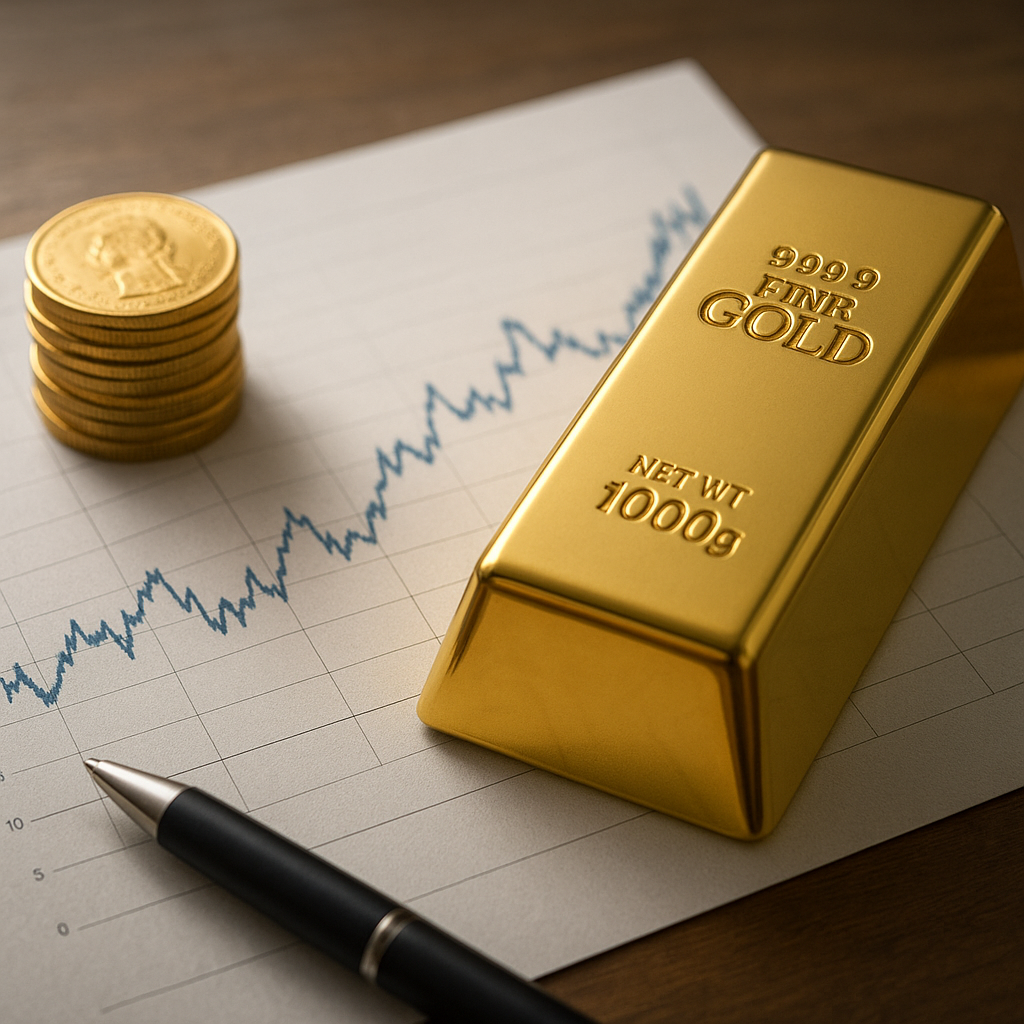
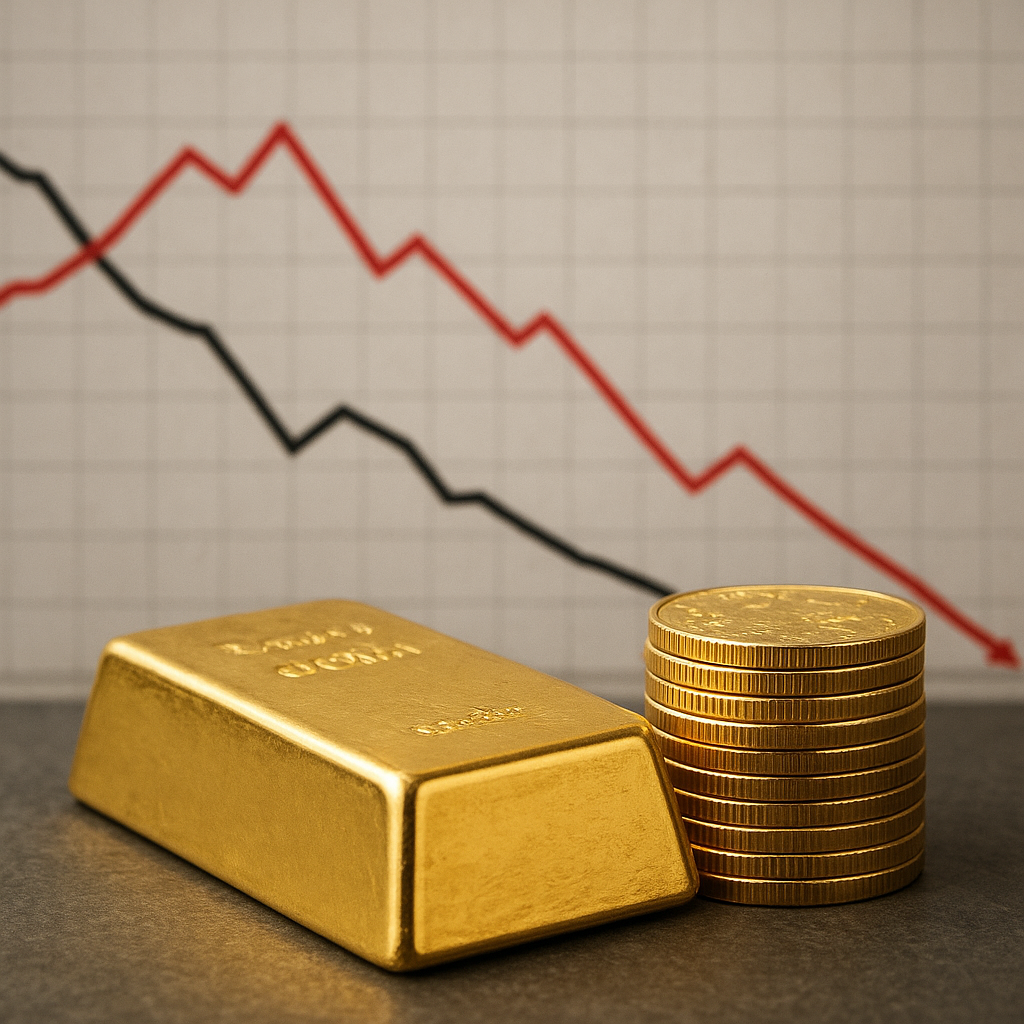
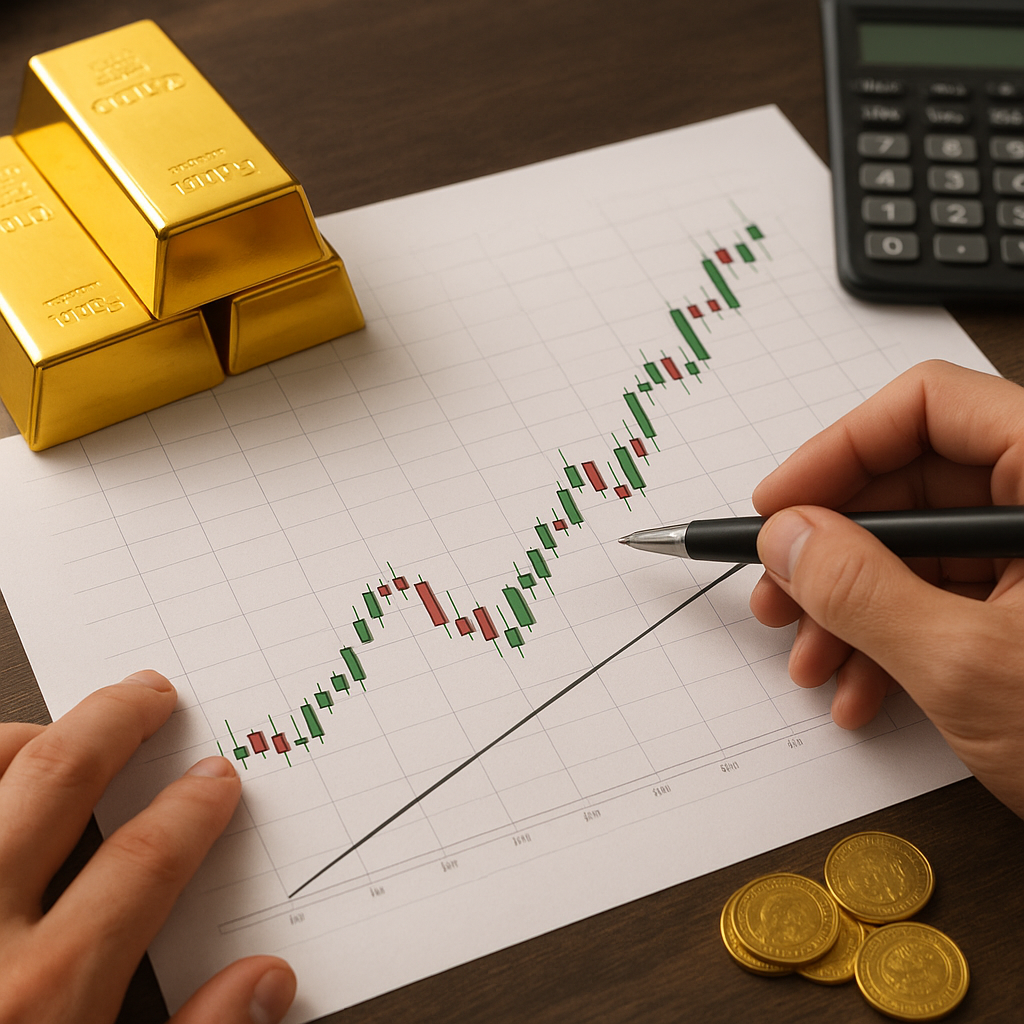
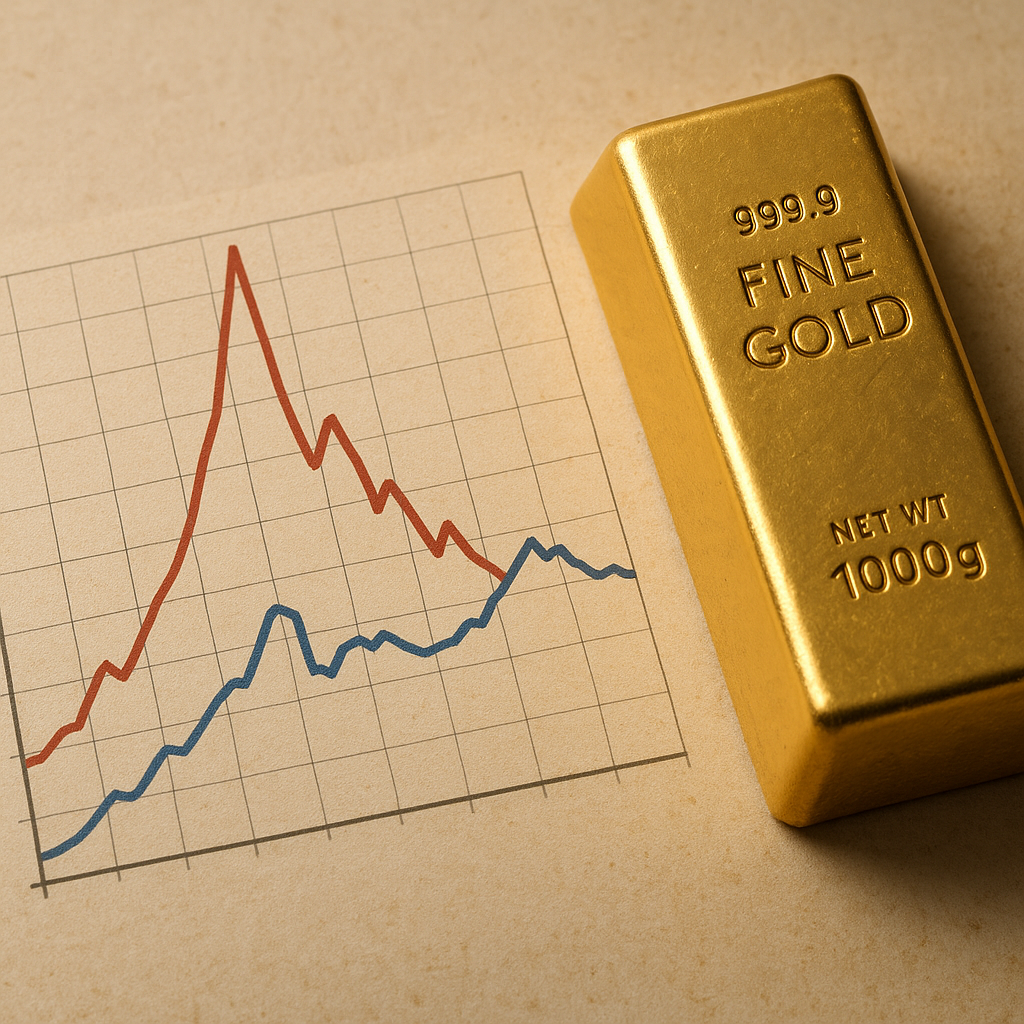
The interplay between gold and silver prices has captivated traders, analysts, and historians for centuries. The ratio of these two metals is more than a simple fraction; it offers insights into broader market trends, economic cycles, and sentiment toward precious commodities. By examining the historical behavior of the gold-to-silver relationship, investors can better anticipate shifts in price, gauge periods of heightened volatility, and devise strategies that serve as a hedge against inflation and currency devaluation. This article breaks down the essential aspects of the gold-to-silver ratio, its historical context, and its implications for today’s investment landscape.
Understanding the Fundamentals of the Gold-to-Silver Ratio
The gold-to-silver ratio measures how many ounces of silver it takes to purchase a single ounce of gold. Traders track this figure to identify relative undervaluation or overvaluation in each metal. When the ratio climbs, silver often lags behind gold in price appreciation; when it falls, silver outperforms its more famous counterpart.
Several factors drive this relationship:
- Supply and Demand: Mining output, recycling rates, and industrial consumption affect silver more acutely than gold. A sudden surge in industrial demand can tilt the ratio downward by boosting silver prices.
- Monetary Policy: Central bank actions and real interest rates influence the desirability of both metals. Accommodative policy often lifts gold as investors seek a shield against currency debasement, sometimes leaving silver behind.
- Economic Growth: A robust global economy tends to favor silver, which has diverse industrial applications, from electronics to solar panels.
- Investor Sentiment: Fear and uncertainty can trigger flight-to-quality flows into gold, widening the ratio if silver fails to keep pace.
Historical Trends and Key Turning Points
Over centuries, the gold-to-silver ratio has swung dramatically, reflecting shifts in monetary regimes, technological advances, and geopolitical tensions. For instance, in the late 19th century under the bimetallic standard, the ratio hovered near 16:1. The abandonment of silver coinage in many nations, followed by the gold standard’s demise in the 20th century, sent the ratio soaring above 100:1 during certain periods.
18th to 20th Century Transitions
During the Industrial Revolution, silver demand for photography and manufacturing surged, briefly pulling the ratio lower. The 1930s New Deal policies, which included a fixed price for gold, disrupted traditional price discovery and set the stage for post-war fluctuations.
Modern Era Dynamics
Since the 1970s, when most major economies adopted fiat currencies, the ratio has witnessed peaks above 120:1 in times of weak economic growth and crises, and troughs near 50:1 during bullish commodity cycles. The 2008 financial crisis, for example, drove the ratio from around 60:1 to over 90:1 as investors flocked to gold for safety.
Implications for Investors and Traders
Understanding the gold-to-silver ratio equips market participants with a tool for diversification and timing. Key strategies include:
- Ratio-Based Allocation: Investors might adjust their portfolio weights when the ratio reaches historical extremes, buying silver when it’s relatively cheap and flipping to gold when silver becomes expensive.
- Pair Trades: Traders can enter long/short positions across futures or ETFs to exploit ratio convergence or divergence without direct exposure to currency movements.
- Inflation Hedge: Both metals often outperform during rising inflation, but timing relative performance via the ratio can amplify returns.
- Cyclical Signals: A declining ratio may herald industrial expansion, suggesting a broader commodity rally, while a rising ratio can warn of economic slowdown.
While the ratio is a powerful indicator, it should not be used in isolation. Complementary analysis—such as momentum indicators, macroeconomic data, and technical chart patterns—enhances decision-making.
Factors Shaping Future Movements
Several emerging trends could influence the gold-to-silver ratio in the years ahead.
Technological Innovation and Industrial Demand
Advances in renewable energy technologies, notably photovoltaic cells, continue to boost silver consumption. This structural demand supports silver prices and can compress the ratio when adoption accelerates.
Monetary and Fiscal Policy
Persistent low rates and quantitative easing programs tend to favor gold as a hedge against potential currency depreciation. However, should inflation expectations rise materially, both metals may benefit, with silver potentially gaining more on an industrial usage basis.
Global Economic Growth Patterns
The pace of recovery in major economies, especially China and India—both significant consumers of precious metals—will be critical. A synchronized upswing could lower the ratio, while uneven growth might push it higher.
- Infrastructure spending and stimulus programs
- Shifts in consumer electronics and solar panel production
- Regulatory changes affecting mining output
Ultimately, the interplay of these variables will determine whether the ratio reverts to its long-term mean or establishes a new equilibrium.
Strategies for Navigating Gold and Silver Markets
Investors seeking exposure to gold and silver should consider a multi-pronged approach:
- Physical Ownership: Bars and coins offer direct claims on the metal but entail storage and insurance costs.
- Exchange-Traded Products: Gold and silver ETFs provide liquidity and ease of trading, though they carry management fees.
- Futures and Options: Derivatives enable leverage and sophisticated hedges but require careful risk management amid high volatility.
- Mining Stocks: Equity positions in producers and explorers can magnify metal price moves but introduce operational and geopolitical risks.
Assessing one’s risk tolerance, time horizon, and investment objectives is essential before choosing the right vehicle. Blending multiple instruments may optimize exposure while mitigating single-market hazards.