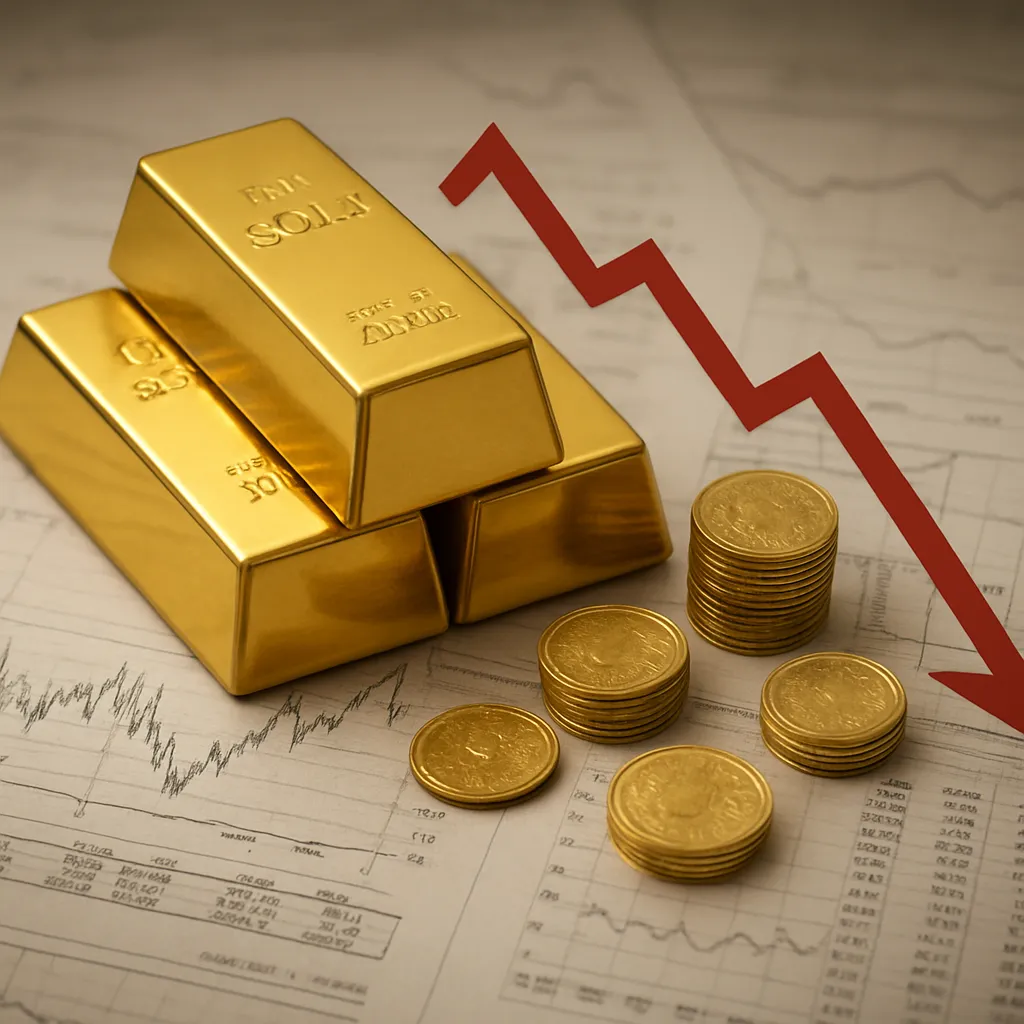
As global economies continue to evolve, the precious metal market often becomes a focal point during turbulent periods. Investors and policymakers alike track shifts in inflation rates, liquidity constraints, and central bank interventions to gauge the future trajectory of gold. When financial systems face stress, the yellow metal traditionally emerges as a critical asset, reflecting its enduring appeal as a safe-haven. This article explores various aspects of world gold prices, including past crisis behavior, driving forces behind future price movements, and strategic insights for those considering gold exposure in the next economic downturn.
Economic Forces Influencing Gold Demand
Over time, several macroeconomic variables have shaped investor appetite for gold. Understanding these drivers helps forecast how prices might react under renewed financial duress.
- Inflationary Pressure: When consumer prices rise rapidly, gold often outperforms traditional assets. Its intrinsic value and finite supply offer protection against currency devaluation.
- Monetary Policy: Aggressive rate cuts or quantitative easing by major central banks typically weaken fiat currencies. This dynamic can propel gold prices upward as investors seek to hedge against policy-induced volatility.
- Currency Movements: A weakening US dollar historically corresponds with stronger gold valuations. Conversely, dollar strength may cap upside potential for non-dollar-denominated buyers.
- Geopolitical Tension: Escalating international conflicts or trade disputes increase risk aversion. Under such conditions, gold demand often spikes as it retains purchasing power across borders.
- Market Volatility: Sharp equity declines and credit market strains drive capital into traditional store-of-value instruments. Gold’s negative correlation with stocks in stress scenarios reinforces its appeal.
Historical Patterns During Financial Crises
Examining past episodes can yield valuable lessons about gold’s performance in future downturns. Three notable crises illustrate its behavior:
- Global Financial Crisis (2008–2009): Gold surged from approximately $650 to over $1,000 per ounce as banks faced solvency concerns and central banks injected trillions in emergency liquidity.
- European Sovereign Debt Crisis (2010–2012): Heightened fears over eurozone stability drove gold to new highs near $1,900, underscoring its role amid sovereign risk.
- COVID-19 Market Shock (2020): Rapid equity market collapses and massive fiscal stimulus propelled gold to an all-time peak above $2,000 briefly, reflecting investor flight to safety.
In each situation, accelerated capital flows into gold were met with supply constraints and logistical challenges, contributing to steep price rallies. These instances highlight gold’s consistent status as a crisis hedge.
Key Drivers in the Next Financial Downturn
Looking ahead, overlapping global challenges may amplify forces that buoy gold prices.
- Debt Overhangs: Many economies carry unprecedented sovereign debt loads. A sudden spike in borrowing costs could trigger investor repricing of risk, boosting demand for diversification outside traditional sovereign obligations.
- Negative Real Yields: In an environment where nominal interest rates remain near zero and inflation persists, real yields stay negative. This reduces opportunity cost of holding non-yielding gold.
- Central Bank Accumulation: Emerging market central banks continue to diversify reserves away from the dollar. Steady official sector purchases could provide a structural support floor for prices.
- Technological Advances: Innovations in gold mining and recycling may ease supply constraints, yet environmental considerations and regulatory hurdles could limit new output, preserving scarcity value.
- Digital Alternatives: The rise of gold-backed digital tokens might broaden investor access. Increased institutional adoption of tokenized bullion can channel fresh capital into physical gold markets.
Investor Strategies for Gold Exposure
A range of vehicles allows individuals to allocate to gold, each with distinct risk-return profiles.
Physical Bullion
Owning bars and coins ensures direct price participation and security against counterparty risk. However, storage and insurance costs must be weighed.
Exchange-Traded Funds (ETFs)
Gold ETFs offer convenient liquidity and low transaction costs. They hold allocated bullion in custodian vaults, mimicking spot price movements closely.
Mining Equities and Royalties
Shares of gold producers can amplify returns through operational leverage, but they carry additional equity market risks and management variables.
Futures and Options
Derivatives enable tactical positioning with margin efficiency. Leverage enhances profit potential but also magnifies losses, demanding disciplined risk controls.
- Position Sizing: Allocate a prudent fraction of total assets, given gold’s price volatility and potential for mean reversion.
- Rebalancing: Periodically adjust weightings to capture gains and maintain risk parameters.
- Cost Management: Compare expense ratios, storage fees, and bid-ask spreads across instruments.
Global Market Dynamics and Forecasts
Geographic demand centers shape price discovery and liquidity. Recent trends include:
- Asia-Pacific: Retail and technology-driven purchases, particularly in jewelry and electronics, sustain consistent physical consumption.
- Middle East: Cultural affinity for gold, combined with rising affluence, supports strong local buying.
- North America and Europe: Investment flows dominate, with institutional allocations growing. Central bank reserve diversification further cements gold’s global footprint.
- London and Shanghai: As leading trading hubs, these markets establish benchmark prices through electronic platforms and over-the-counter transactions.
Consensus forecasts by commodity strategists suggest that should global growth falter and monetary easing intensify, gold could test new record levels. Key inflection points include shifts in central bank policy, real interest rate movements, and sudden spikes in systemic risk.