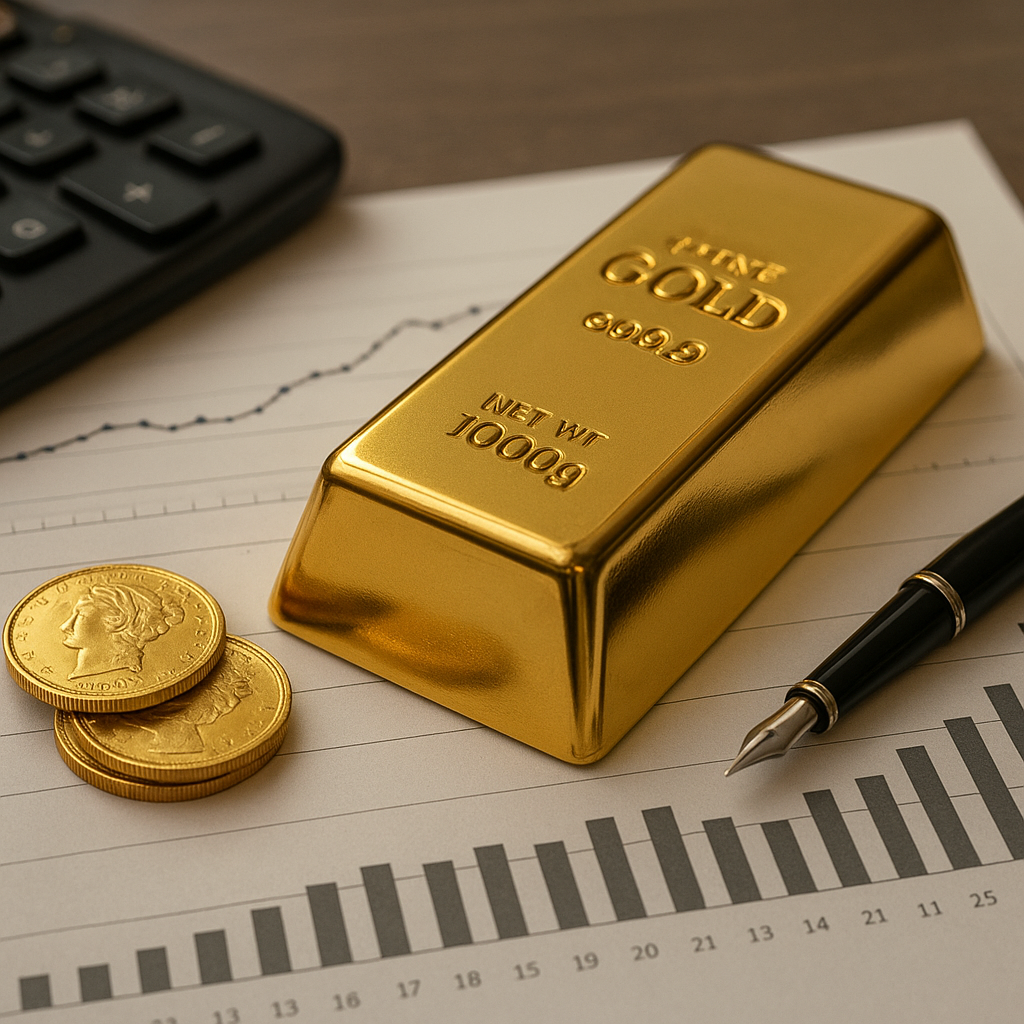
Gold’s enduring charm transcends mere numbers on a commodities chart. Its lustrous glow has stirred human fascination for millennia, anchoring itself in cultures, economies, and personal narratives. While market analysts often dissect gold’s price movements with statistical rigor, a significant dimension remains the intangible pull of feelings that shape purchasing decisions. Exploring the interplay between global price dynamics and the psychology behind gold acquisitions reveals how emotion and economics intertwine, painting a richer picture of this precious metal’s role in modern finance.
The Emotional Allure of Gold: A Timeless Connection
Across civilizations, gold has symbolized power, purity, and prestige. Ancient kingdoms minted coins from gold to project authority; religious artifacts were forged to embody divine virtues. Even today, many investors perceive gold as more than a commodity—investment in gold is intertwined with deep-seated emotions such as security, pride, and hope.
Psychologists identify several emotional drivers behind gold’s appeal:
- Security: During political upheavals or economic crises, gold serves as a psychological anchor, offering reassurance that value will persist even if currencies falter.
- Status: Owning physical gold jewelry or bars creates a tangible demonstration of wealth, reinforcing social standing and personal identity.
- Legacy: Families pass heirlooms across generations, making gold a vessel for sentimental narratives and collective memory.
These intangible factors elevate gold beyond spreadsheets: they encourage investors to hold onto gold in times of stress, even when short-term yields lag compared to equities or bonds. The emotional bond can outweigh purely rational calculations, fueling long-term demand and influencing global price trends.
Global Gold Price Dynamics: From Supply Shocks to Market Sentiment
While psychology sets the stage, gold’s spot price reacts to a complex web of real-world forces:
- Central Banks: Major institutions like the Federal Reserve and European Central Bank shape gold valuations by adjusting interest rates, conducting quantitative easing, or adding bullion to reserves. Low interest rates reduce opportunity cost, making gold more attractive relative to yield-bearing assets.
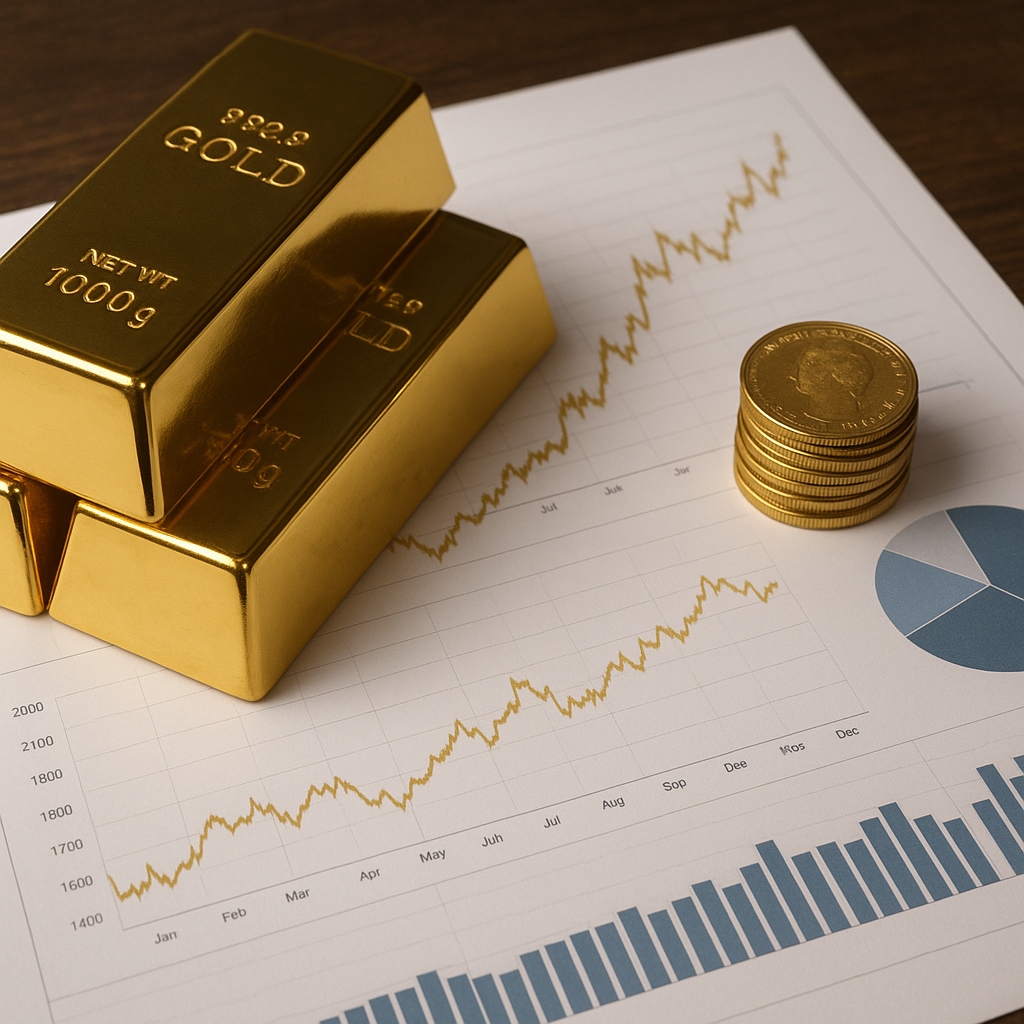
- Inflation: Historically, gold is viewed as an inflation hedge. When consumer prices accelerate, investors flock to gold to preserve purchasing power, often sparking rapid price appreciation.
- Currency Fluctuations: Since gold trades primarily in US dollars, a weaker dollar makes gold cheaper for holders of other currencies, boosting global demand and driving prices up.
- Supply Constraints: Mining disruptions—whether due to environmental regulations, labor disputes, or geopolitical tensions—can tighten physical availability and push prices higher.
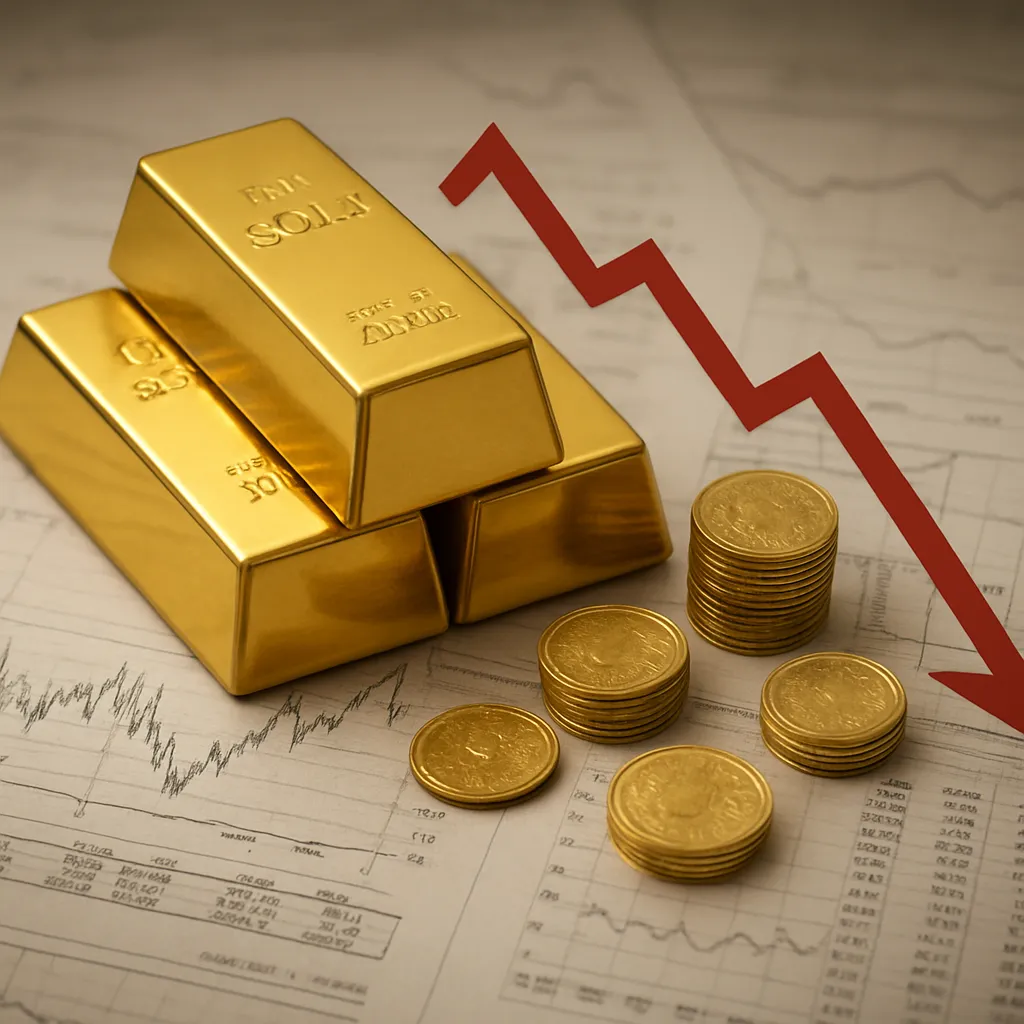
- Market Sentiment: Investor psychology, captured through metrics like the Commitment of Traders (COT) report, can amplify price swings. Bullish sentiment begets further buying, while fear-driven sell-offs may trigger rapid declines.
These factors seldom operate in isolation. For example, a dovish central bank stance combined with rising geopolitical risks can unleash a powerful rally in gold prices, as both volatility expectations and safe-haven flows surge simultaneously.
Behavioral Insights: Why Emotions Drive Gold Demand
Behavioral finance highlights how cognitive biases influence investment decisions, and gold is no exception. Key psychological phenomena at play include:
- Loss Aversion: Investors fear losses more intensely than they value gains. Holding gold can mitigate perceived losses in turbulent markets, prompting allocations that defy purely quantitative strategies.
- Familiarity Bias: Centuries of gold’s stable reputation foster comfort, leading investors to over-allocate to gold simply because they trust it more than unfamiliar assets.
- Herd Behavior: As stories of gold’s meteoric price surges circulate, individuals rush to buy, reinforcing momentum. Social proof creates feedback loops that can inflate price bubbles.
- Anchoring: Early price benchmarks—say, gold at $1,200 per ounce—linger in memory. Deviations from these anchors trigger strong reactions: dips prompt bargain hunts, while rallies fuel euphoria.
These biases intertwine, shaping collective actions that sometimes defy fundamental valuations. Consequently, gold often exhibits price gyrations tied less to immediate supply-demand changes and more to the shifting winds of investor sentiment.
Strategies for Emotional Investors: Balancing Heart and Mind
Given the powerful emotional forces behind gold demand, investors hoping to incorporate bullion into their portfolios should heed both psychological and economic considerations:
1. Define a Clear Allocation Target
Set a predetermined percentage of portfolio exposure to gold—typically 5–15%—to avoid overindulgence during euphoric rallies. This disciplined approach tames emotions by imposing explicit boundaries.
2. Embrace Dollar-Cost Averaging
Investing fixed sums at regular intervals smooths out purchase prices and curbs impulsive behavior. When gold prices spike, investors buying smaller quantities feel less emotional strain than lump-sum purchasers.
3. Combine Physical and Paper Gold
Holding a mix of physical gold (bars or coins) and exchange-traded funds (ETFs) balances sentimental value with liquidity. Physical bullion satisfies the need for tangible security, while ETFs facilitate quick rebalancing.
4. Monitor Macro Triggers, Not Headlines
Rather than reacting to every geopolitical tweet, focus on fundamental drivers such as central bank rate decisions or inflation data releases. This reduces emotional whiplash from noise.
5. Leverage Risk Management Tools
Use stop-loss orders or option overlays to guard against sudden downturns. These risk controls serve as an emotional safety net, preventing panic selling during volatile episodes.
Embracing Gold’s Dual Nature
Gold’s unique position at the nexus of sentiment and strategy demands respect for both facets. Savvy investors acknowledge their own emotional biases, then harness them responsibly alongside rigorous market analysis. By blending psychological insight with macroeconomic vigilance, one can navigate the world gold price landscape with greater confidence—transforming a deeply emotional asset into a well-managed component of a diversified portfolio.