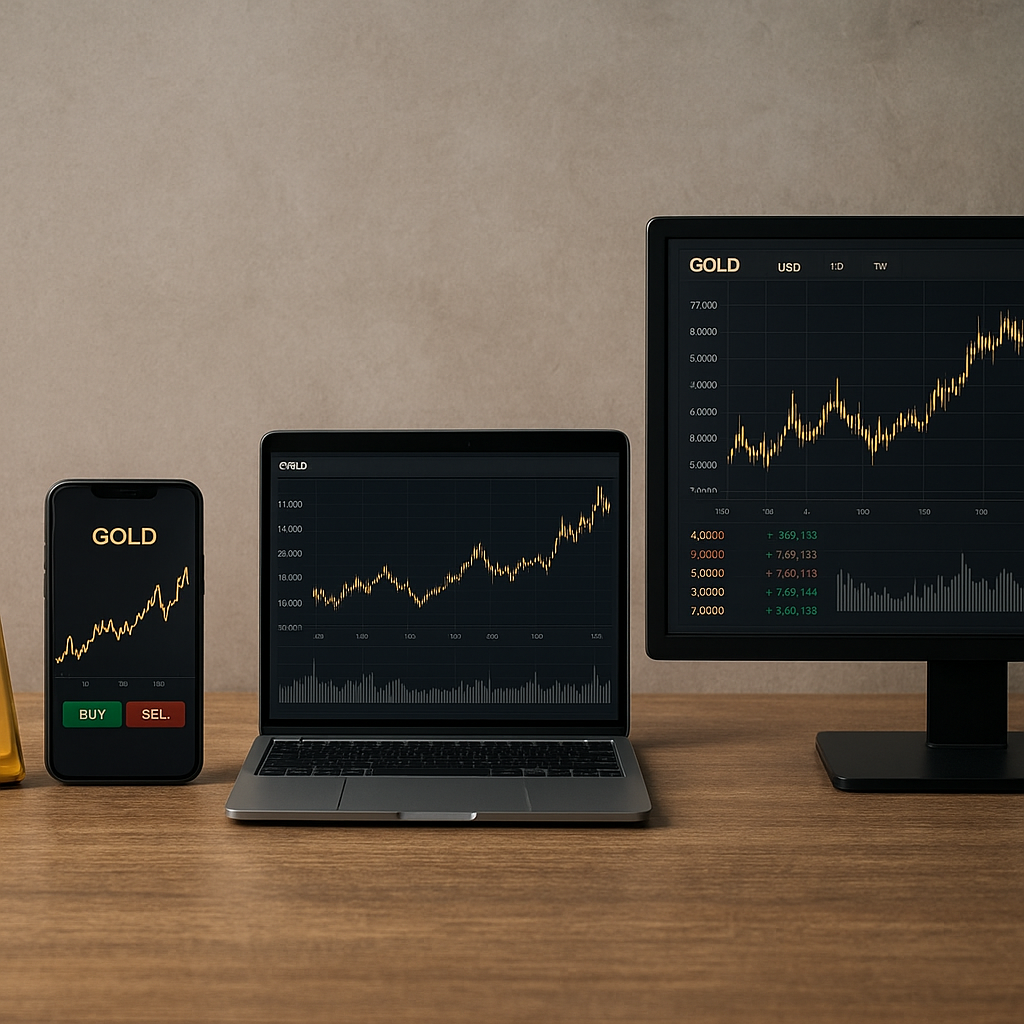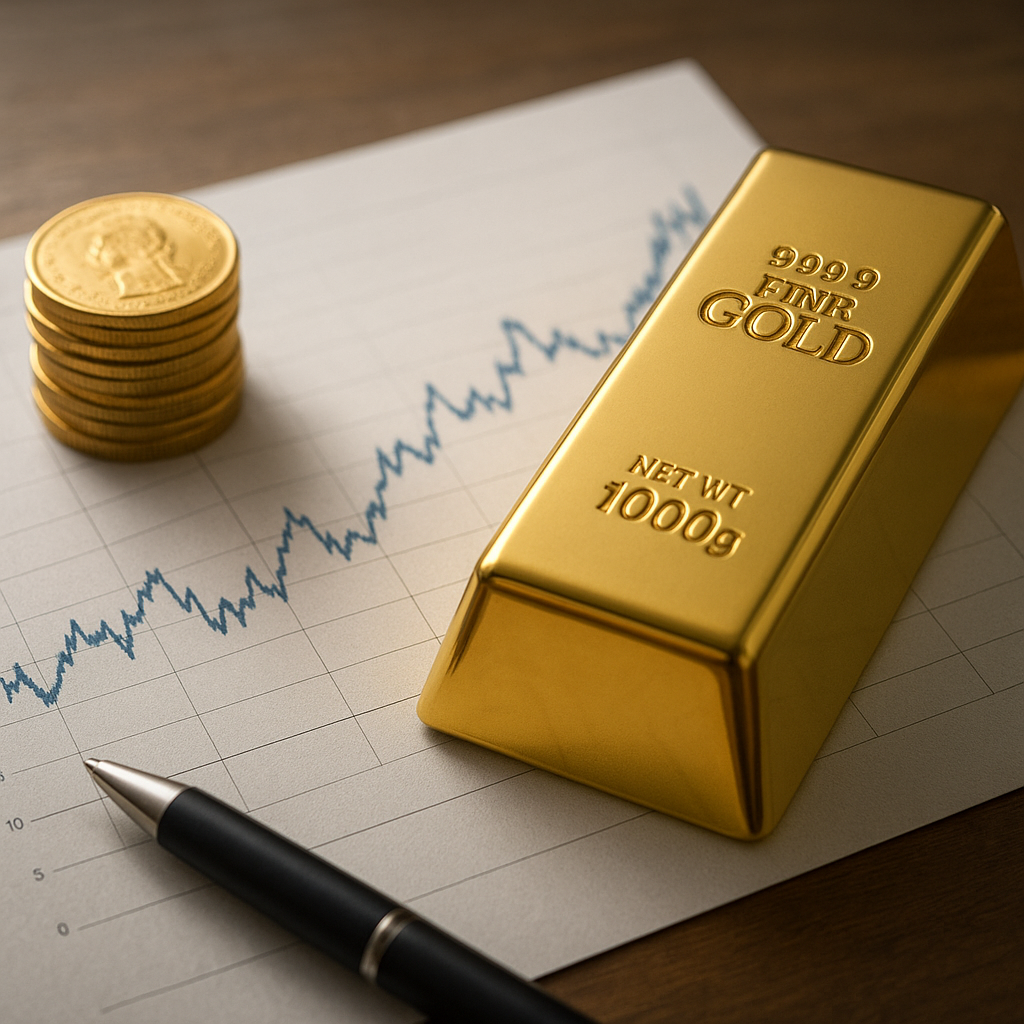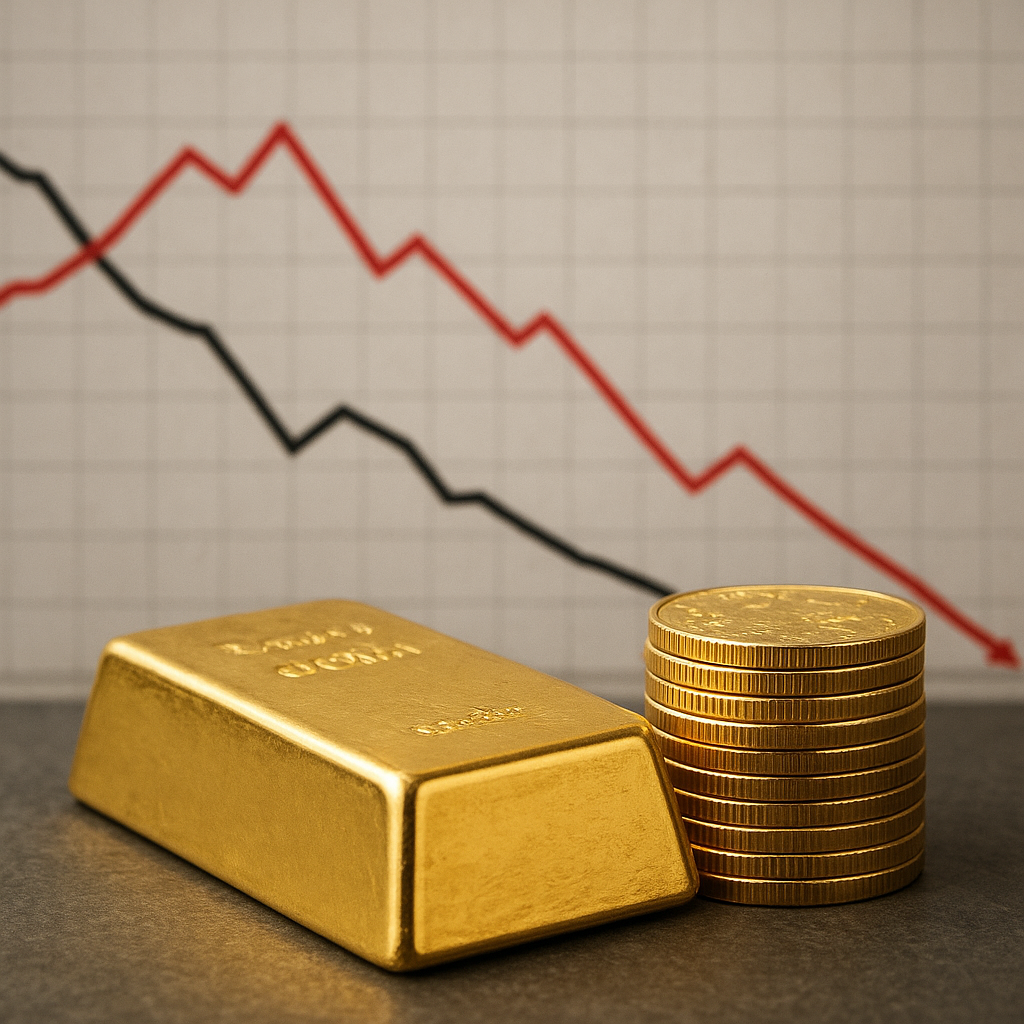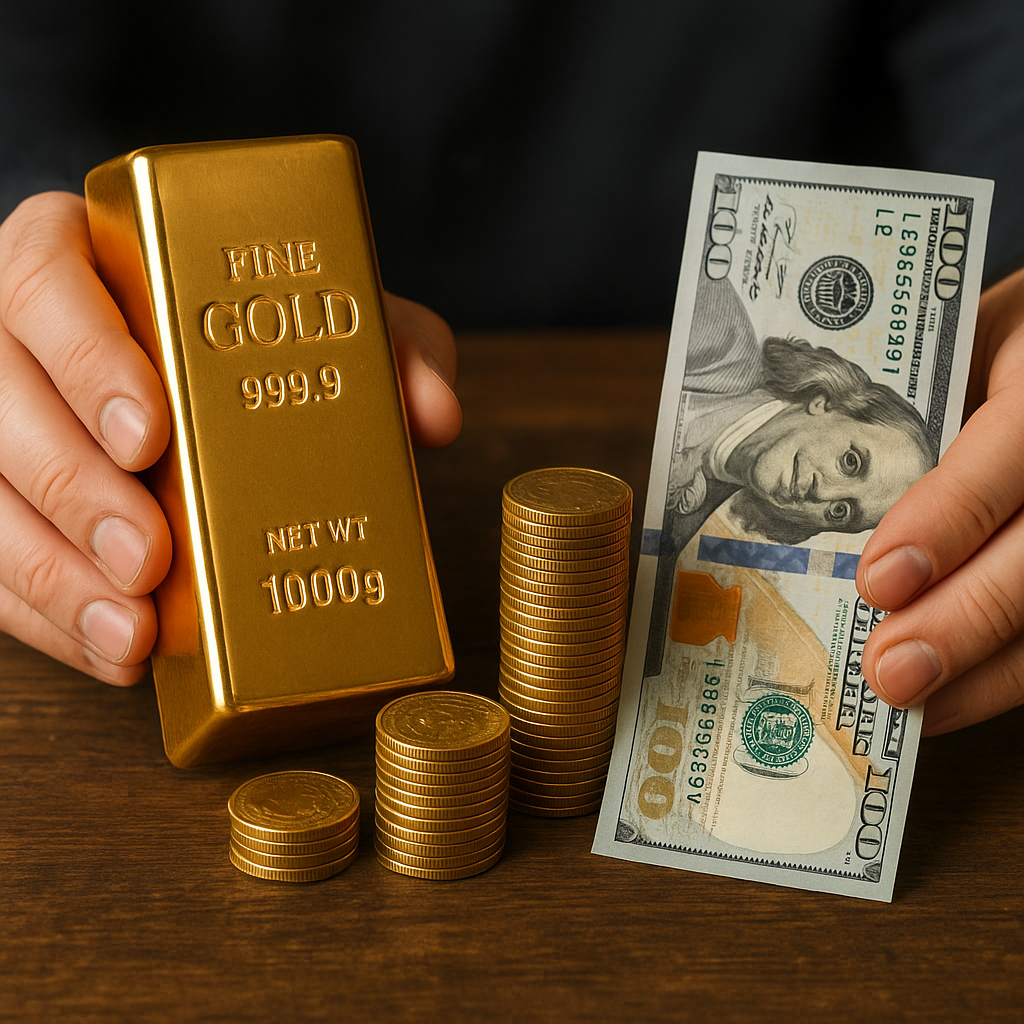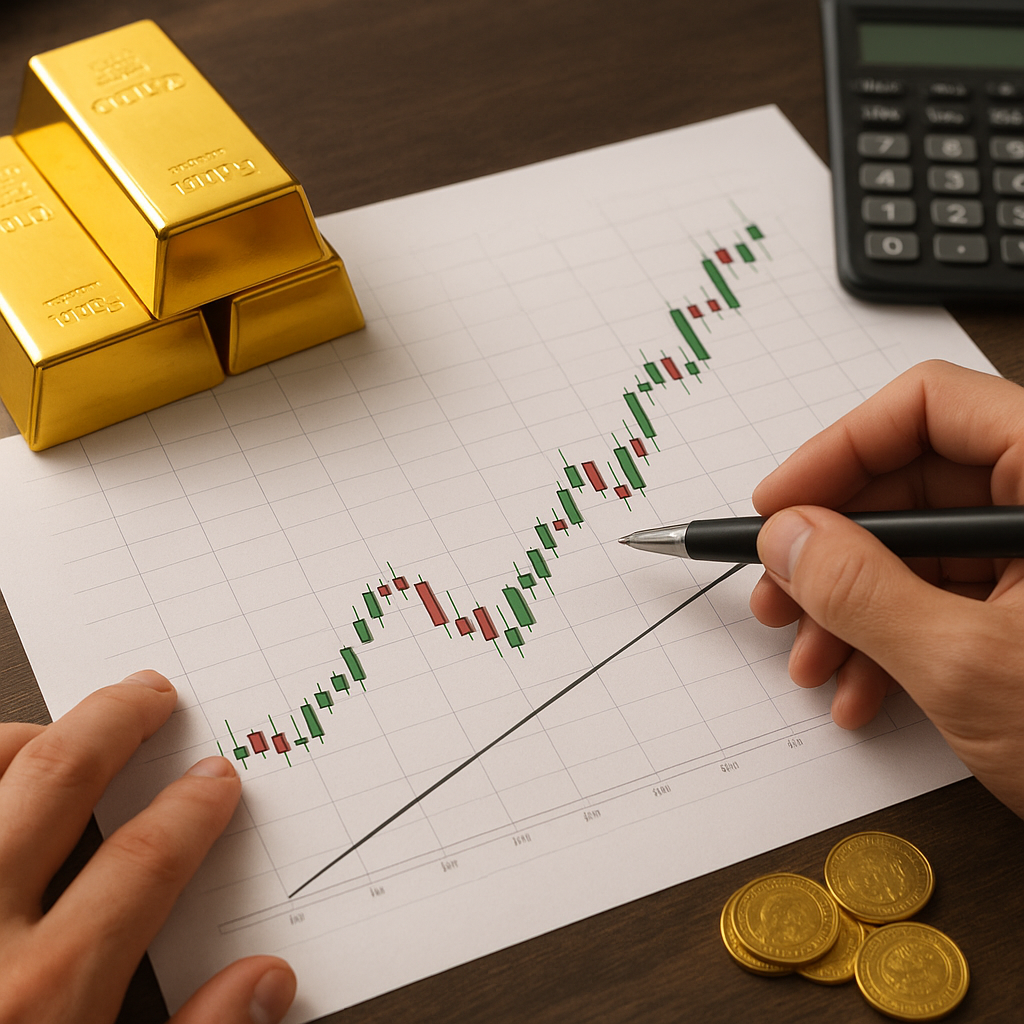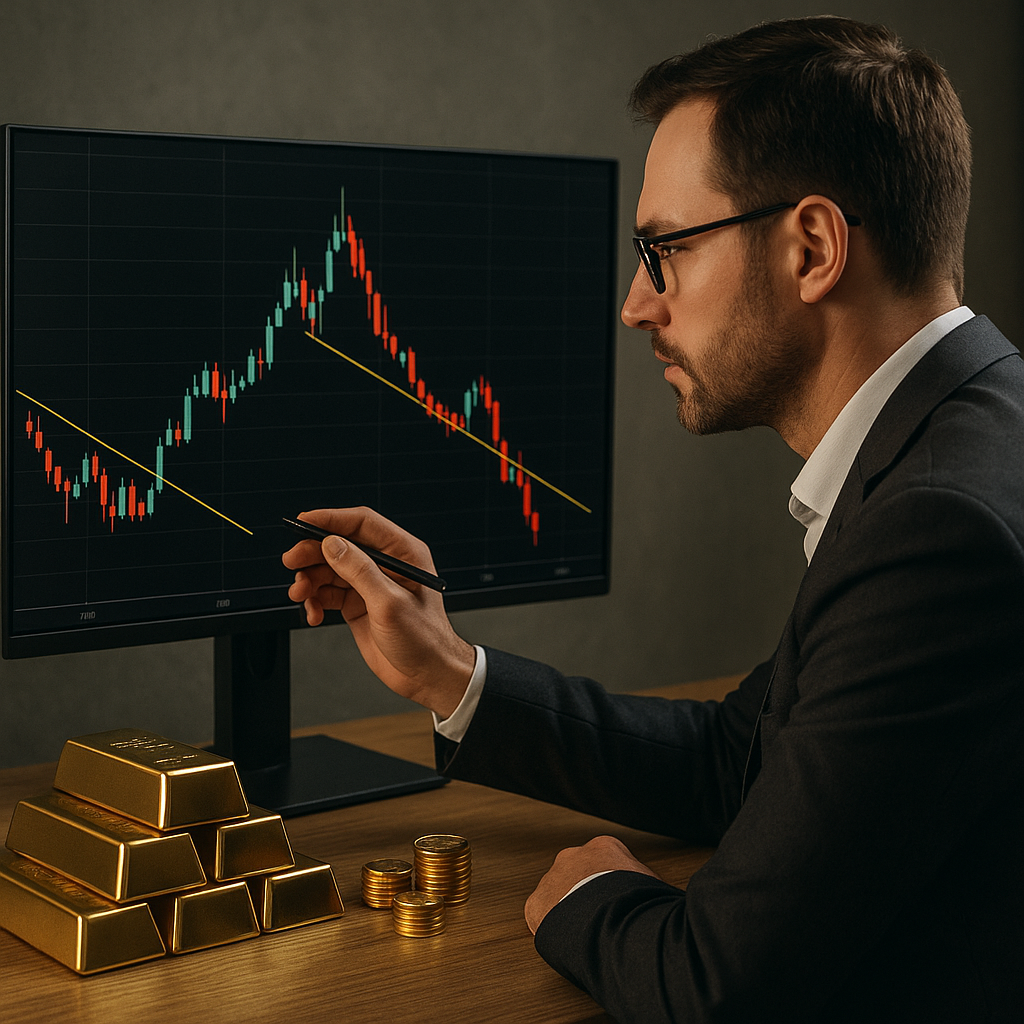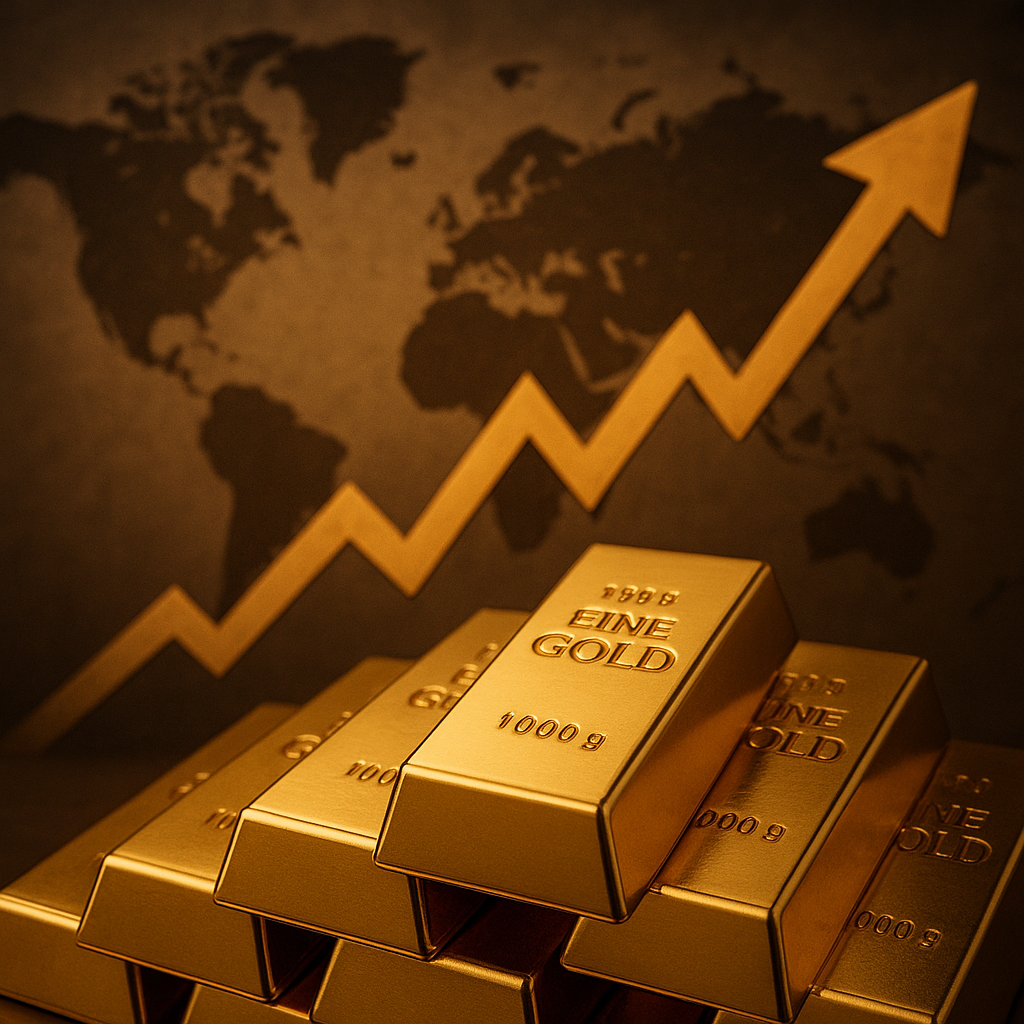
The spike in gold prices during times of global unrest is a phenomenon observed by investors, economists, and policymakers alike. As geopolitical tensions escalate, financial markets often react with increased volatility, prompting market participants to seek out assets that can preserve value. Among these, gold remains a perennial favorite. This article delves into the historical context, psychological underpinnings, economic drivers, and real-world case studies that explain why gold prices soar when the world stage grows turbulent.
Historical Perspective on Gold as a Safe-Haven Asset
Gold’s allure stretches back millennia. From ancient civilizations to modern central banks, its enduring appeal has rested on a few fundamental qualities: scarcity, divisibility, and physical permanence. Over time, gold became synonymous with wealth preservation, cementing its status as a safe haven in periods of crisis.
The Gold Standard Era
During the 19th and early 20th centuries, many nations adhered to the gold standard, fixing their currencies to a specific amount of gold. This system underpinned global trade and provided stability, but it also meant that geopolitical disruptions—wars, territorial disputes, and diplomatic breakdowns—could threaten the very fabric of the monetary order. In such crises, demand for physical gold surged, driving prices upward.
Transition to Fiat Money
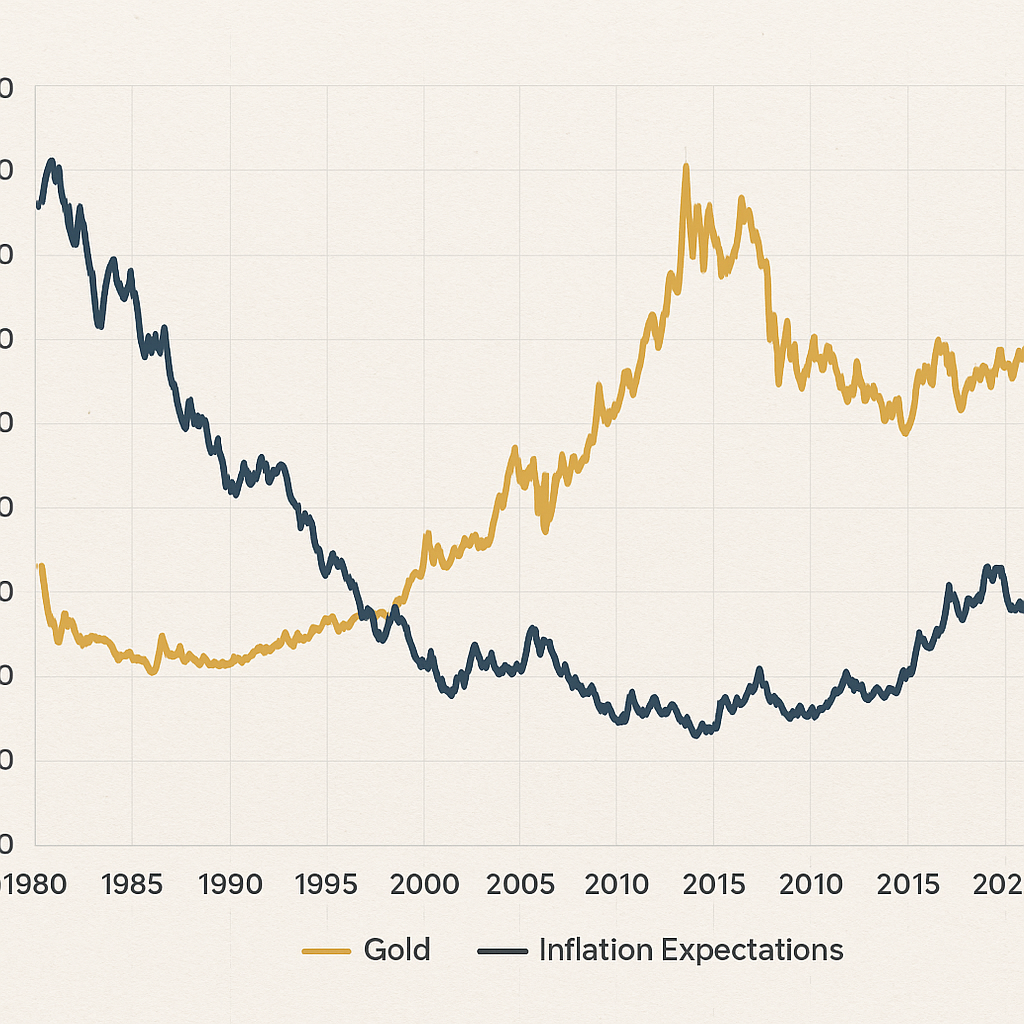
After 1971, with the dissolution of the Bretton Woods system, currencies floated freely against each other. While fiat money offered greater flexibility for governments to manage economic downturns, it also introduced concerns over inflation and currency devaluation. When trust in paper money wavers, market participants often revert to gold—a tangible asset whose intrinsic value cannot be printed or manipulated overnight.
Geopolitical Tensions and Market Psychology
In today’s interconnected world, news travels at lightning speed, and investor sentiment can shift rapidly in response to headlines. Several psychological factors converge during geopolitical crises, fueling gold’s price rally:
- Uncertainty: Political upheaval or military conflict raises doubts about economic stability, prompting investors to seek low-risk assets.
- Fear of currency devaluation: Sanctions, capital controls, or aggressive monetary policies can erode confidence in national currencies, enhancing gold’s appeal.
- Desire for diversification: To cushion against stock market declines or bond market disruptions, portfolios are often rebalanced toward gold.
- Herd behavior: As gold’s price climbs, momentum traders and retail investors pile in, further accelerating the upward trajectory.
These dynamics intertwine to create powerful upward pressure on gold prices whenever global tensions flare.
Macro-Economic Drivers Amplifying Gold Demand
While psychology sets the stage, macroeconomic variables often determine the magnitude and duration of gold price spikes:
- Inflation: Rising consumer prices diminish the purchasing power of paper currencies, making gold a preferred store of value.
- Interest rates: Low or negative real rates decrease the opportunity cost of holding non-yielding assets like gold, lifting its price.
- Fluctuations in the USD: Because gold is primarily traded in dollars, a weaker dollar typically makes gold cheaper for overseas buyers, boosting global demand.
- Central bank purchases: When institutions like the People’s Bank of China or the European Central Bank add gold to reserves, their actions signal confidence, attracting private investors.
- Liquidity concerns: In times of financial stress, bank runs or credit crunches can drive investors toward the ultimate liquid asset—physical gold.
Case Studies: Geopolitical Flashpoints and Gold Surges
Examining past events illustrates how geopolitical crises translate into gold market dynamics.
Russia-Ukraine Conflict
Since tensions escalated in 2014 and again in 2022, gold prices have rallied on fears of military escalation, energy supply disruptions, and broad-ranging sanctions. Investors scrambled for safety as Western nations imposed measures against Russia, exacerbating volatility in commodity and currency markets.
Middle East Turmoil
Periodic flare-ups in the Gulf region—between Iran and Saudi Arabia, or Israel and neighboring states—have historically prompted gold spikes. Given the Middle East’s central role in oil production, any threat to energy flows stokes inflationary concerns, reinforcing gold’s appeal.
COVID-19 Pandemic
While not a traditional geopolitical conflict, the pandemic produced intense uncertainty, supply-chain breakdowns, and unprecedented fiscal stimulus. Gold surged to record highs in mid-2020 as investors grappled with questions about the global economy’s resilience and the future value of fiat money.
Managing Gold Exposure During Turbulent Times
For both retail and institutional investors, integrating gold into a portfolio requires thoughtful strategy:
- Allocation: Decide what percentage of overall holdings should be in gold, balancing potential gains against opportunity costs.
- Vehicle selection: Physical bullion, exchange-traded funds (ETFs), mining stocks, and futures each offer distinct risk-return profiles.
- Timing and horizons: Gold can rally sharply in the short term but may underperform during bull markets in equities. A clear investment horizon helps manage expectations.
- Storage and authenticity: For physical gold, secure vaulting and assayer certification ensure quality and liquidity.
By combining an understanding of geopolitical triggers with disciplined portfolio management, investors can harness gold’s defensive properties without exposing themselves to undue risk.
Conclusion
Gold’s status as a strategic asset during periods of unrest is underpinned by centuries of history, profound psychological factors, and robust economic fundamentals. As geopolitical tensions persist across multiple regions, gold is likely to maintain its role as the go-to hedge against uncertainty and currency instability, offering investors a measure of protection when the world seems most unpredictable.