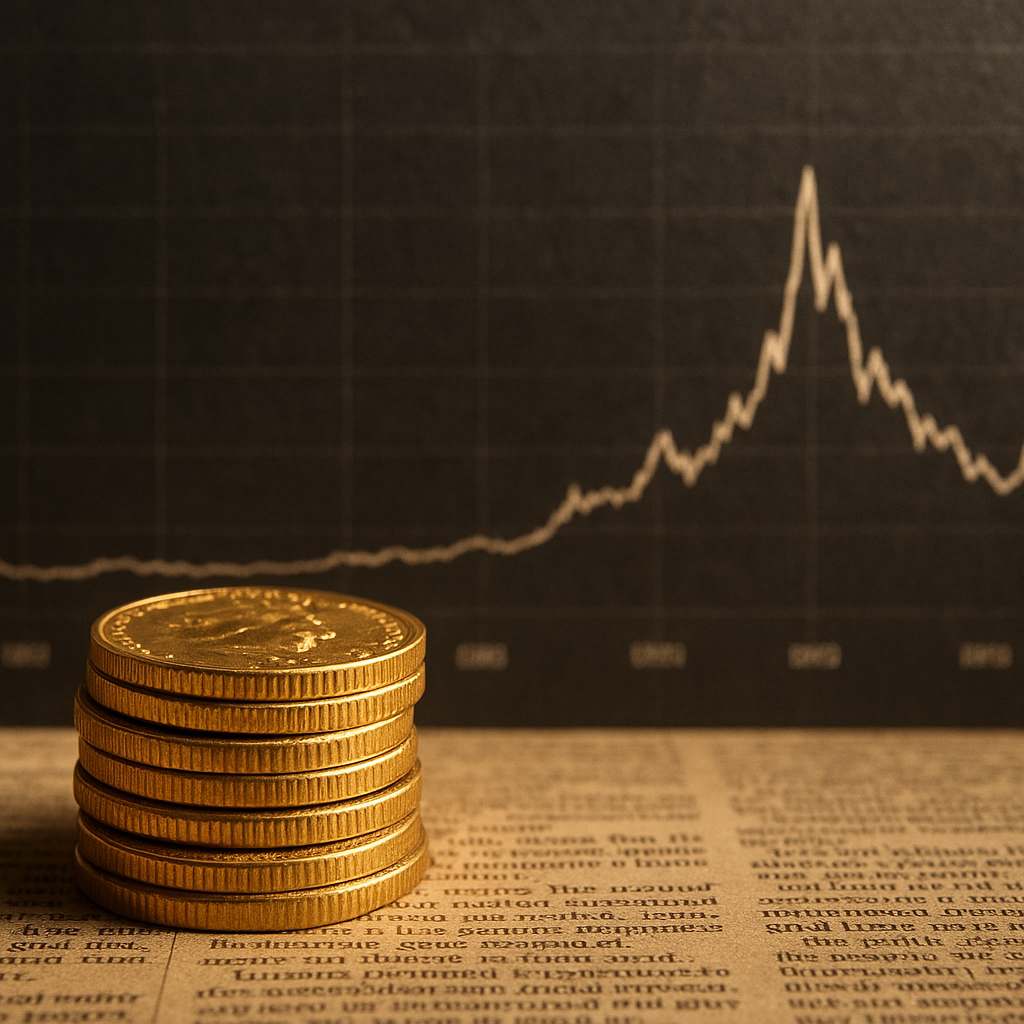
Gold markets have long captured the imagination of investors, historians, and policymakers alike. From ancient civilizations hoarding gold as a symbol of power to modern portfolio managers seeking a reliable hedge, the allure of this precious metal remains undiminished. Yet gold has also experienced dramatic surges and precipitous declines—episodes often labeled as bubbles. By examining **historical** gold bubbles, one can glean valuable insights into the interplay of **speculative** frenzy, macroeconomic stress, and market **psychology** that continue to shape the **world** gold price today.
The Anatomy of a Gold Bubble
Drivers of Speculation
At the heart of every gold bubble lies a potent combination of rising **inflation**, geopolitical uncertainty, and a surge in investor **demand**. When traditional assets falter, investors flock to gold’s reputation as a **tangible** store of **value**. Often, however, this flight accelerates into a self-reinforcing cycle. Higher prices trigger media attention, which in turn attracts more buyers—many driven by fear of missing out rather than a sober analysis of fundamentals.
Role of Liquidity and Central Banks
Periods of abundant **liquidity** often coincide with aggressive monetary policies by **central banks**. Low interest rates reduce the opportunity cost of holding a non-yielding asset like gold, making it more attractive relative to bonds and cash. Moreover, quantitative easing programs can stoke concerns over currency debasement, prompting further accumulation of gold. While these policies aim to stimulate economies, they can inadvertently inflate asset prices—including gold.
Market Mechanics and Leverage
- Exchange-Traded Funds (ETFs): Gold ETFs have democratized access, allowing retail traders to participate with minimal barriers.
- Futures Markets: Leveraged positions in COMEX and other exchanges can magnify price swings, amplifying both rallies and declines.
- Physical vs. Paper Gold: Discrepancies between spot prices and actual delivery can trigger **volatility**, especially during stress periods.
Historical Case Studies
Late 1970s to 1980 Peak
In the aftermath of the 1971 end of the Bretton Woods system, gold entered a multi-year rally. By January 1980, it soared to roughly $850 per ounce—nearly ten times its 1971 level. Key factors included rampant **inflation**, the Iranian Revolution’s oil shock, and a general loss of confidence in fiat currencies. When Federal Reserve chairman Paul Volcker aggressively raised interest rates to combat inflation, the bubble burst. Gold then retraced more than 50% of its gains over the next two years, underscoring the metal’s sensitivity to real interest rates.
2000s to 2011 Boom
The early 2000s saw another historic surge. Gold climbed from below $300 per ounce in 2001 to a peak near $1,900 in September 2011. This rally was fueled by the global financial crisis, massive monetary stimulus, and chronic low yields across developed markets. As investors sought a **hedge** against financial system fragility, gold’s appeal skyrocketed. Like previous bubbles, the peak was followed by a sharp correction—prices fell over 30% by late 2013 as risk appetites returned and central banks signaled a gradual tightening stance.
Lessons on Timing and Sentiment
- Contrarian Signals: Extreme bullish sentiment often precedes major reversals. Watch for widespread bullishness in media and surveys.
- Interest Rate Turning Points: Timing gold exposures around central bank policy shifts can mitigate the impact of corrections.
- Divergence between Paper and Physical: During peak stress, premiums on physical bars and coins can widen dramatically, reflecting real-world supply constraints.
Modern Implications for the World Gold Price
Current Macroeconomic Landscape
Over a decade after the 2011 peak, gold navigates a complex environment of moderate growth, renewed geopolitical tensions, and unprecedented monetary experimentation. Inflation remains a focal point: should it accelerate beyond central bank targets, gold could regain its shine as an **inflation** hedge. Conversely, if real yields march higher, the incentive to hold non-yielding bullion may wane.
Evolution of Market Participants
Compared to past decades, today’s gold markets feature a broader array of participants:
- Retail Investors: Online platforms and **exchange-traded** products have lowered entry barriers.
- Pension Funds: Some allocate a portion of assets to gold for portfolio **resilience**.
- Central Banks: Many emerging economies continue to add gold to diversify reserves, supporting long-term demand.
Technological and Geopolitical Drivers
Digital innovations, such as blockchain-based gold tokens, may reshape how bullion is traded and held. Meanwhile, supply-side factors—mining output, environmental regulations, and labor disruptions—can tighten the market. Additionally, renewed geopolitical frictions can spur sudden demand spikes, as investors look for a secure asset uncorrelated with stocks and bonds.
Strategic Takeaways for Investors
While history does not repeat exactly, the **psychology** behind gold bubbles offers enduring lessons:
- Maintain a target allocation: Define a clear percentage of **gold** in portfolios to avoid panic-driven overexposure.
- Monitor interest rate differentials: Real yield movements remain a powerful driver of gold prices.
- Watch for sentiment extremes: Excessive bullish or bearish consensus can serve as a contrarian signal.
By studying the anatomy of past gold bubbles, investors can better navigate the **volatility** of the world gold price. Understanding the interplay of macroeconomic forces, market mechanics, and human behavior equips market participants to seize opportunities while guarding against excessive risk.