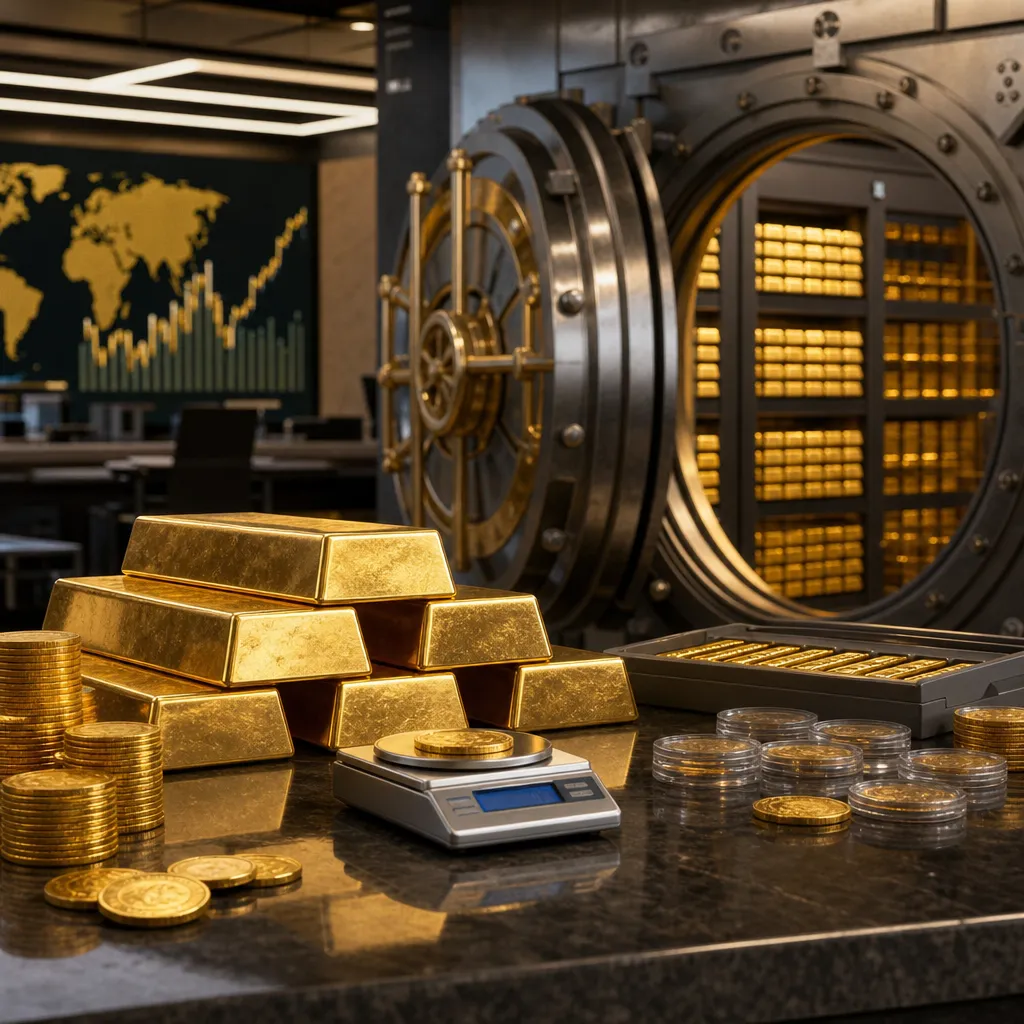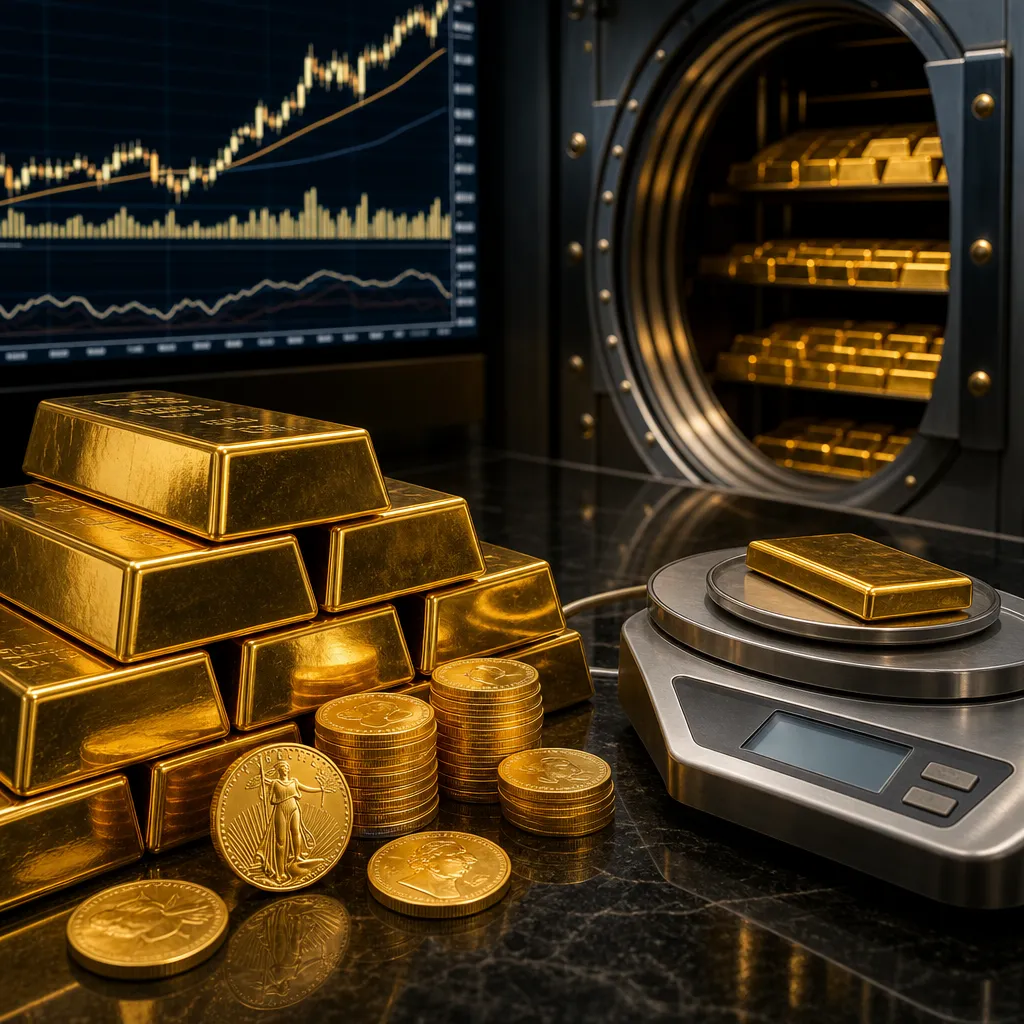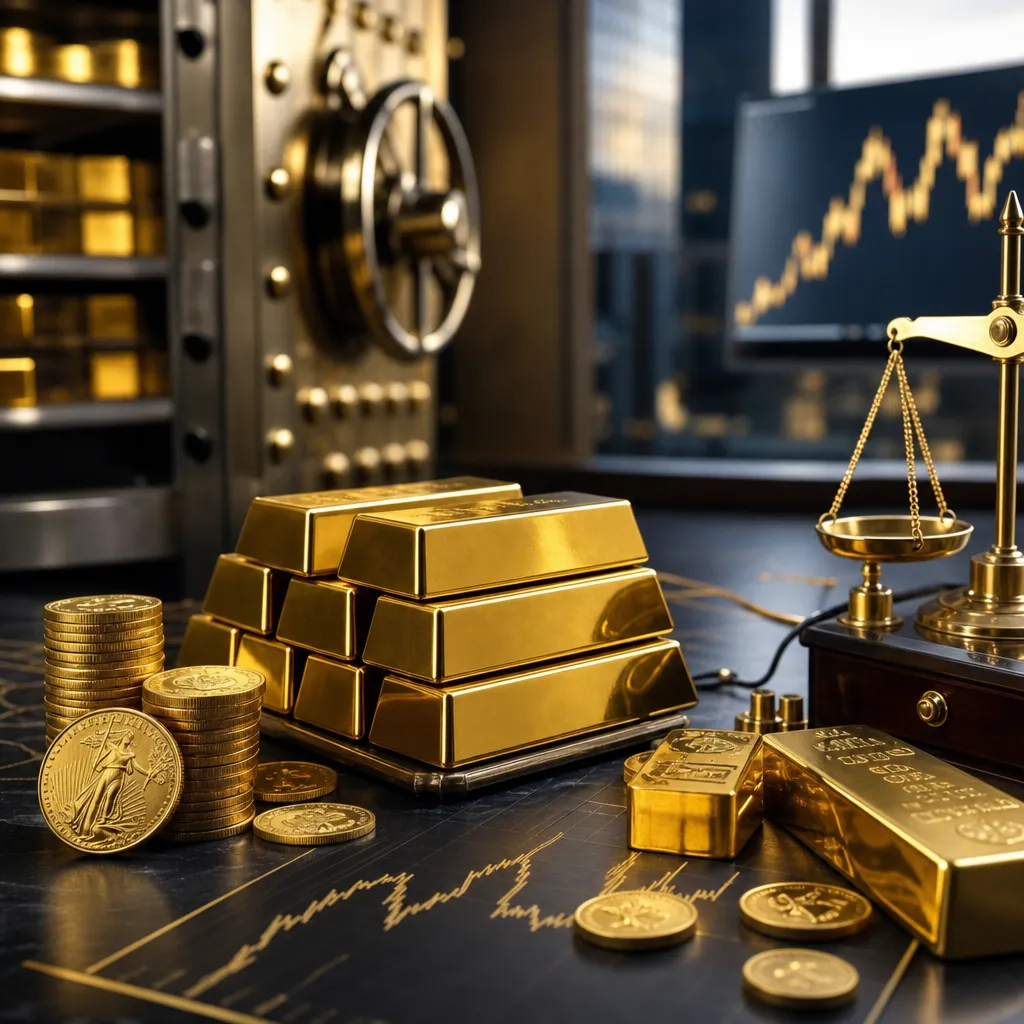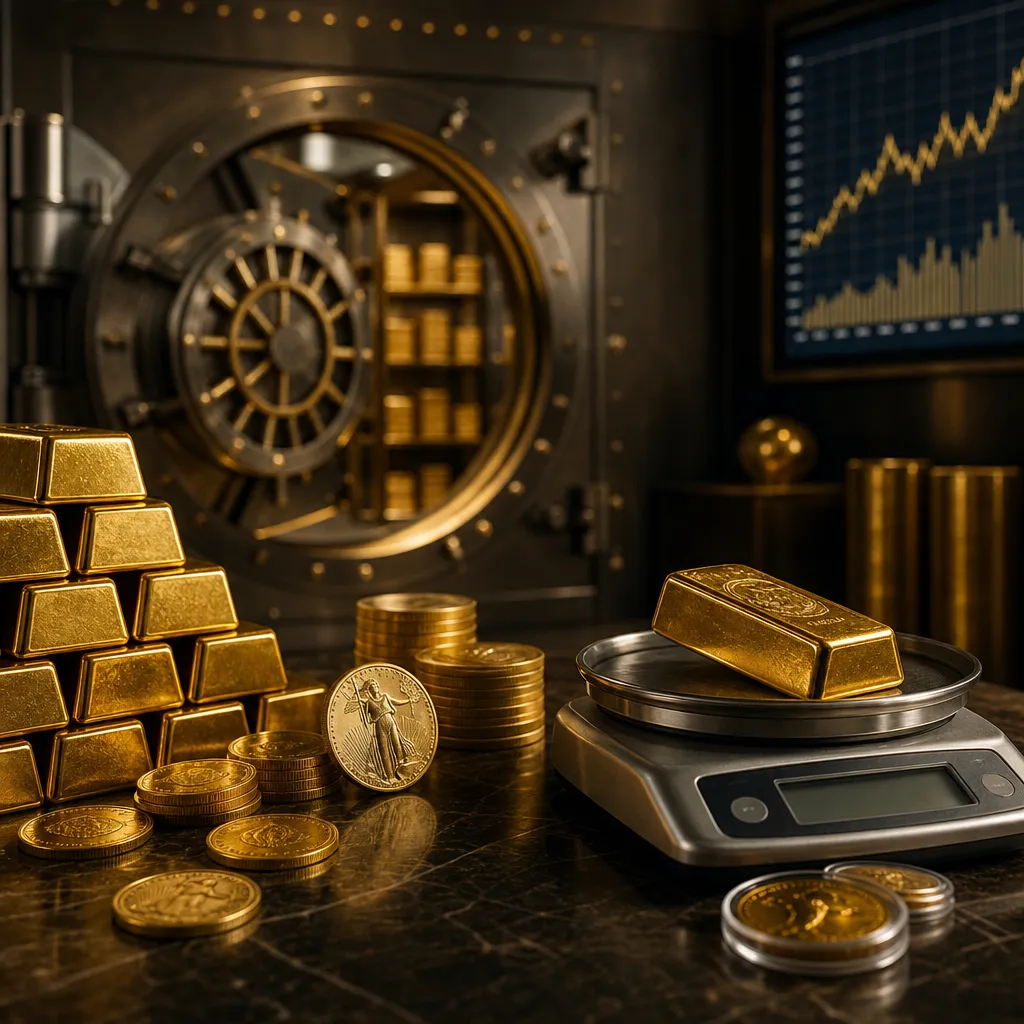
The journey of tracing how raw ores deep beneath the earth transform into a globally traded asset involves intricate networks, financial benchmarks and a mosaic of players. This exploration unpacks the machinery behind the world’s most enduring store of value, illustrating how local mining operations, international exchanges and national policies converge to set the ever-fluctuating price of gold.
Pricing Mechanisms on International Exchanges
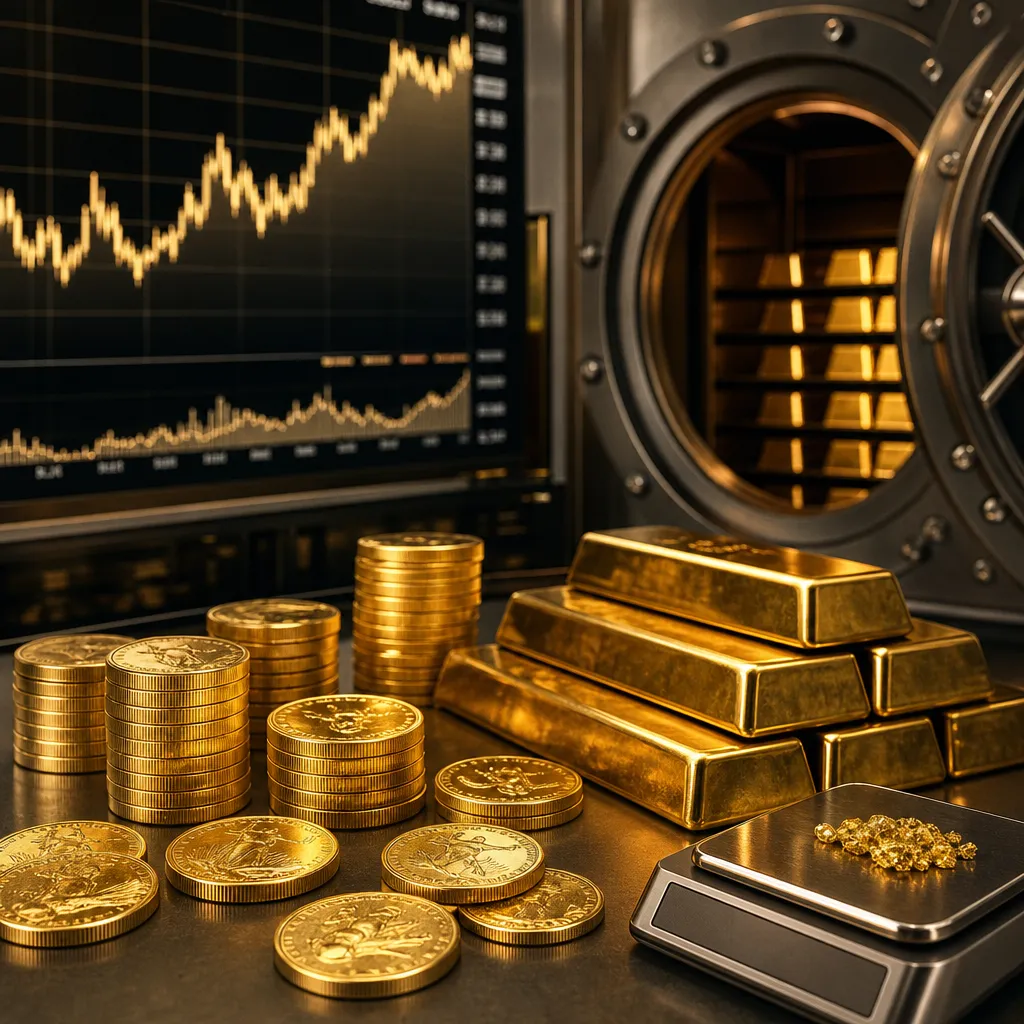
At the heart of the global valuation of gold are major trading hubs such as London, New York and Shanghai. These centres operate recognised benchmarks—including the LBMA Gold Price and COMEX futures—by aggregating buy and sell orders. Twice daily, the London benchmark auction fixes a reference price based on anonymous bids, reconciling the interests of major bullion banks, refiners and large institutional clients. On COMEX, standardized futures contracts allow market participants to hedge price movements ahead of physical delivery, creating a transparent yield curve for contract maturities.
Price discovery involves a constant interplay between spot markets—where physical bars and coins change hands—and derivative markets, whose leverage can amplify short-term shifts. Electronic matching engines now process millions of transactions per day, translating geopolitical headlines, interest rate announcements and data surprises into tiny price ticks. Over time, algorithmic trading bots have become pivotal in maintaining liquidity, tightening bid-ask spreads and ensuring that intraday spikes remain fleeting.
Factors Influencing World Gold Price
Several interdependent factors drive swings in the market value of gold. While each can exert outsized influence, their collective impact paints a more comprehensive picture:
- Inflation expectations: When headline consumer prices accelerate, investors seek refuge in tangible assets. Historically, gold has served as a hedge against currency debasement and rising living costs.
- Central banks activity: Purchasing or selling gold reserves can tighten or loosen global liquidity. Major reserve managers such as the Federal Reserve, European Central Bank and People’s Bank of China periodically adjust allocations, sending powerful signals to private investors.
- Currency fluctuations: Since global gold transactions remain predominantly USD-denominated, strength or weakness in the dollar alters purchasing power for overseas buyers.
- Supply and demand dynamics: Physical demand from jewellery, electronics and medical applications competes with mine output and recycled sources, creating seasonal imbalances.
- Geopolitical and credit risks: Heightened tensions or sovereign debt crises usher in ‘safe-haven’ flows, magnifying gold’s role as a crisis asset and spiking its volatility.
Together, these elements combine to form a fluid landscape where price momentum can reverse within minutes, reflecting a tug-of-war between long-term strategic holders and nimble speculative traders.
Global Supply Chain Dynamics
Behind every ounce that reaches a trading floor lies a multi-stage journey spanning continents:
- Exploration and Extraction. Mining companies invest years in geological surveys before deploying heavy machinery to unearth gold-bearing ores. Key producing nations include China, Australia, Russia and the United States.
- Processing and Refining. Crushed ore undergoes chemical treatment—often using cyanide or mercury in artisanal operations—to isolate fine gold. Reputable refineries then test and purify output to 99.5–99.99% standards, assaying each bar for trace contaminants.
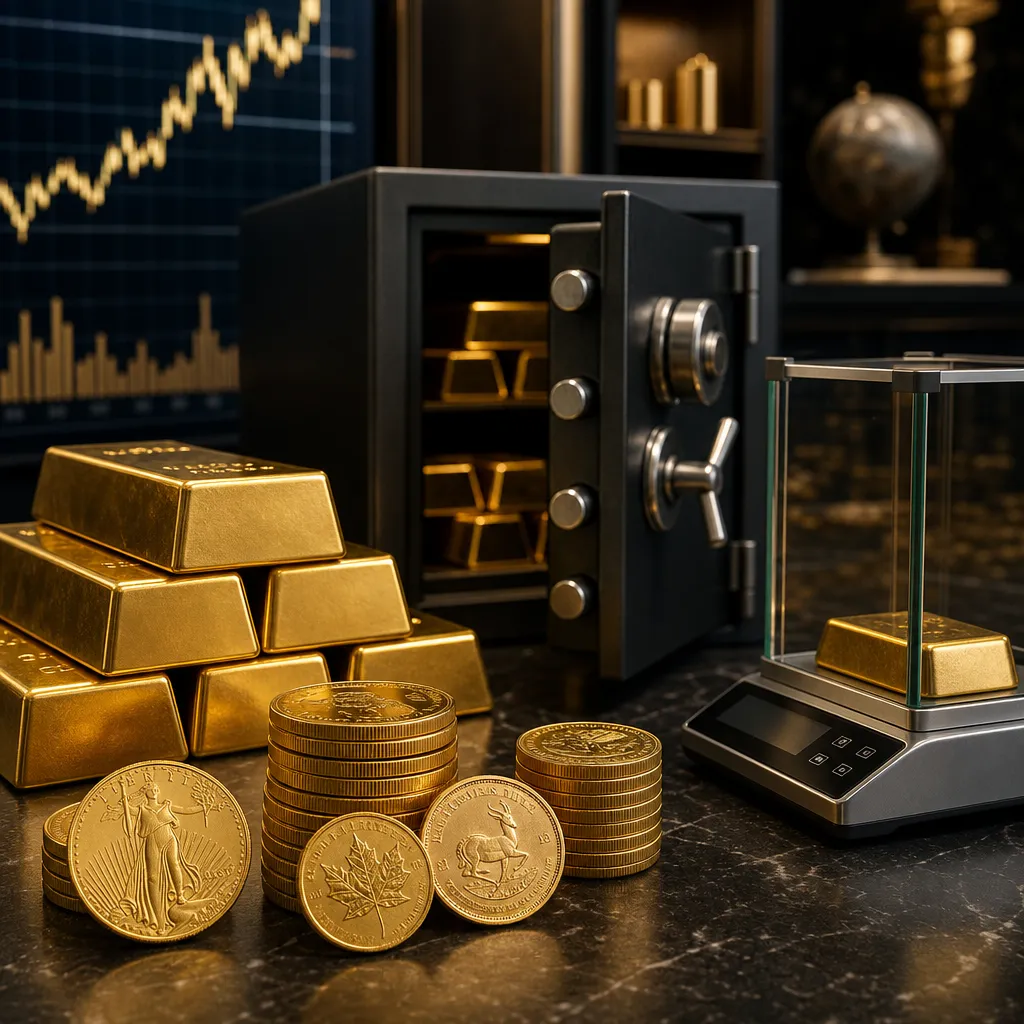
- Transportation and Vaulting. Refined bars are shipped under armed guard to secure vaults or central depositories. Major custody centres in Zurich, London and Hong Kong ensure logistical efficiency and certified storage.
- Distribution to End-Users. Jewellery manufacturers, technology firms and central bank treasuries draw on vault stocks. Meanwhile, bullion dealers package smaller bars and coins for retail investors worldwide.
At each juncture, compliance with environmental and anti-money laundering regulations shapes operations. Transparency initiatives—such as the Responsible Gold Mining Principles—seek to uphold ethical sourcing, further integrating producer practices with consumer expectations.
Investment Strategies and Economic Implications
In addition to physical acquisition, modern participants access gold through a variety of financial instruments:
- Exchange-Traded Funds (ETFs). Backed by allocated bars, these vehicles allow retail and institutional buyers seamless exposure without custody concerns.
- Futures and Options. Leverage offered by derivative contracts amplifies both gains and losses, demanding rigorous risk controls.
- Digital Gold Platforms. Fractional ownership models enable investors to accumulate micro-grams, democratizing access to precious metal investment.
On a macroeconomic scale, rising gold prices often signal a shift in risk appetite, prompting central banks to reassess monetary stances. For emerging economies, surges in export revenues from mining can buoy national economy but also introduce vulnerabilities linked to commodity dependency. Conversely, developed markets may witness capital outflows as investors rotate into bullion, seeking to diversify away from equities and government bonds.
Ultimately, the intricate choreography between supply-side capacities, geopolitical events, regulatory frameworks and investor sentiment determines the trajectory of gold. As global financial architecture evolves, this timeless asset remains a compass for those seeking stability amid constant change.