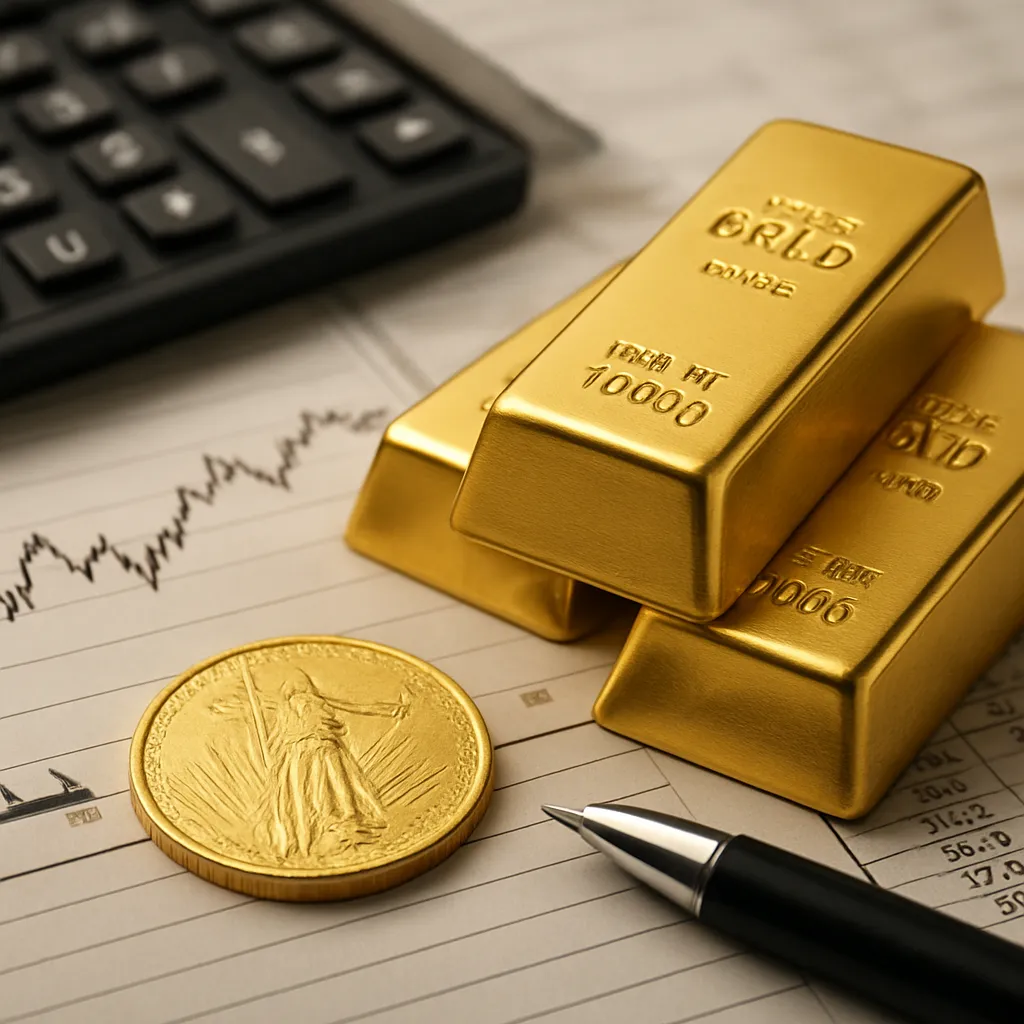
The dynamic relationship between exchange-traded derivatives and the physical gold market has evolved into a cornerstone of modern finance. As investors and institutions navigate the complex interplay of contracts, margin requirements, and settlement mechanisms, the price of physical gold responds to a multitude of influences stemming from speculative and hedging activities. This article explores how futures, options, and other derivative instruments shape the global gold price, highlighting the key drivers of market behavior, the mechanisms of price discovery, and the implications for physical gold buyers and sellers.
The Evolution of Exchange-Traded Derivatives in Gold Markets
The emergence of standardized gold futures began in the early 1970s, shortly after the collapse of the Bretton Woods system removed fixed exchange rates for gold. Exchanges such as COMEX (now part of the London Mercantile Exchange Group) introduced contracts that allowed market participants to lock in delivery prices, thus creating a transparent venue for price discovery. Over time, the product suite expanded to include options on futures, mini contracts, and even exchange-traded funds (ETFs) that replicate futures strategies.
Key milestones in this evolution include:
- The launch of the first gold futures contract in 1974 on COMEX, establishing a benchmark price reference.
- The introduction of gold options in the late 1980s, enabling sophisticated hedging and volatility trading.
- The rise of physically backed gold ETFs in the early 2000s, bridging the gap between spot market exposure and derivative flexibility.
These developments have fostered enhanced liquidity and increased participation from hedge funds, banks, and retail investors alike. As a result, the derivative markets now serve not only as hedging vehicles for mining companies and jewelers but also as instruments for speculation and arbitrage strategies that can have profound effects on the underlying physical market.
Mechanisms of Price Discovery and Arbitrage
At the heart of how derivative markets influence physical gold lies the process of price discovery. Futures prices reflect collective expectations about future spot prices, interest rates, and storage costs. When futures trade at a premium or discount to spot, arbitrageurs step in to exploit any mispricing, driving convergence between contract prices and physical gold values as delivery approaches.
Futures and Options Dynamics
Gold futures allow traders to lock in future delivery prices, with a standardized contract size (commonly 100 troy ounces) and expiration schedule. Options on these futures grant holders the right, but not the obligation, to buy or sell the underlying contract, adding a layer of optionality that influences implied volatility. Together, these instruments enable market participants to:
- Hedge against adverse price movements by locking in costs or revenues.
- Express directional views with leverage, committing only a fraction of contract value as margin.
- Trade volatility through straddles, strangles, and other structured option strategies.
Arbitrage and Convergence
Arbitrageurs play a critical role in aligning derivative prices with the spot market. When futures trade at a significant premium (contango), traders may buy spot gold, store it, and simultaneously sell futures contracts to capture the price differential, accounting for storage fees and financing costs. Conversely, in backwardation—when futures trade below spot—holders of physical gold might sell spot and buy futures, profiting from the inverted curve. This arbitrage process reinforces market efficiency and helps ensure that no persistent mispricing endures.
Implications for Physical Gold Pricing and Investment Strategies
The interaction between derivatives and physical markets has multifaceted implications:
- Volatility Transmission: Large positions in futures can amplify price swings in spot markets when traders adjust margins or meet margin calls.
- Speculative Influence: Elevated speculative activity, particularly by non-commercial traders, can detach futures prices from fundamental supply-demand balances, leading to price spikes or troughs that ripple into the physical market.
- Hedging Pressure: Mining companies and producers hedge future output via derivatives. When they increase hedging to lock in revenue, selling pressure in the futures market can depress prices, indirectly affecting spot transactions.
Investment strategies must account for these dynamics. Investors seeking direct exposure to physical gold often turn to bullion products or allocated accounts, avoiding potential distortions from derivative-driven price movements. On the other hand, institutional players may combine spot holdings with option positions to manage risk and enhance returns. Key considerations include:
- Maintaining adequate physical liquidity to meet redemptions or take advantage of dislocations.
- Monitoring open interest levels in futures as a gauge of speculative vs. commercial activity.
- Assessing the correlation between spot and futures markets to identify potential arbitrage windows.
Meanwhile, central banks and sovereign wealth funds, which collectively hold tens of thousands of tonnes of gold, often rely on the derivatives market to fine-tune their overall exposure without physically relocating large inventories. Their activity can signal shifts in long-term demand, influencing global price trends.
Future Outlook: Emerging Trends and Regulatory Developments
As technology and regulation evolve, the landscape of gold derivatives continues to transform. Important trends on the horizon include:
- Digital Platforms: Blockchain-based trading systems promise faster settlement, reduced counterparty risk, and real-time inventory tracking.
- Regulatory Scrutiny: Authorities in the US, Europe, and Asia are tightening margin requirements and position limits to curb excessive leverage and prevent market manipulation.
- Integration of environmental, social, and governance (ESG) criteria into gold-linked derivatives, as demand grows for ethically sourced and sustainable bullion products.
Emerging market exchanges in India and China are expanding their derivative offerings, challenging the traditional dominance of London and New York. This geographic diversification fosters greater competition but also raises questions about price convergence across trading venues. As regional benchmarks gain prominence, investors will need to navigate multiple curves and adapt their strategies to differing contract specifications and regulatory regimes.
Finally, the ongoing debate over central bank digital currencies (CBDCs) and tokenized gold assets may redefine the relationship between digital representations of gold and its physical counterpart. If tokenized gold derivatives become widely accepted, they could unlock new pools of capital and enhance price discovery, while also introducing novel operational and cybersecurity challenges.