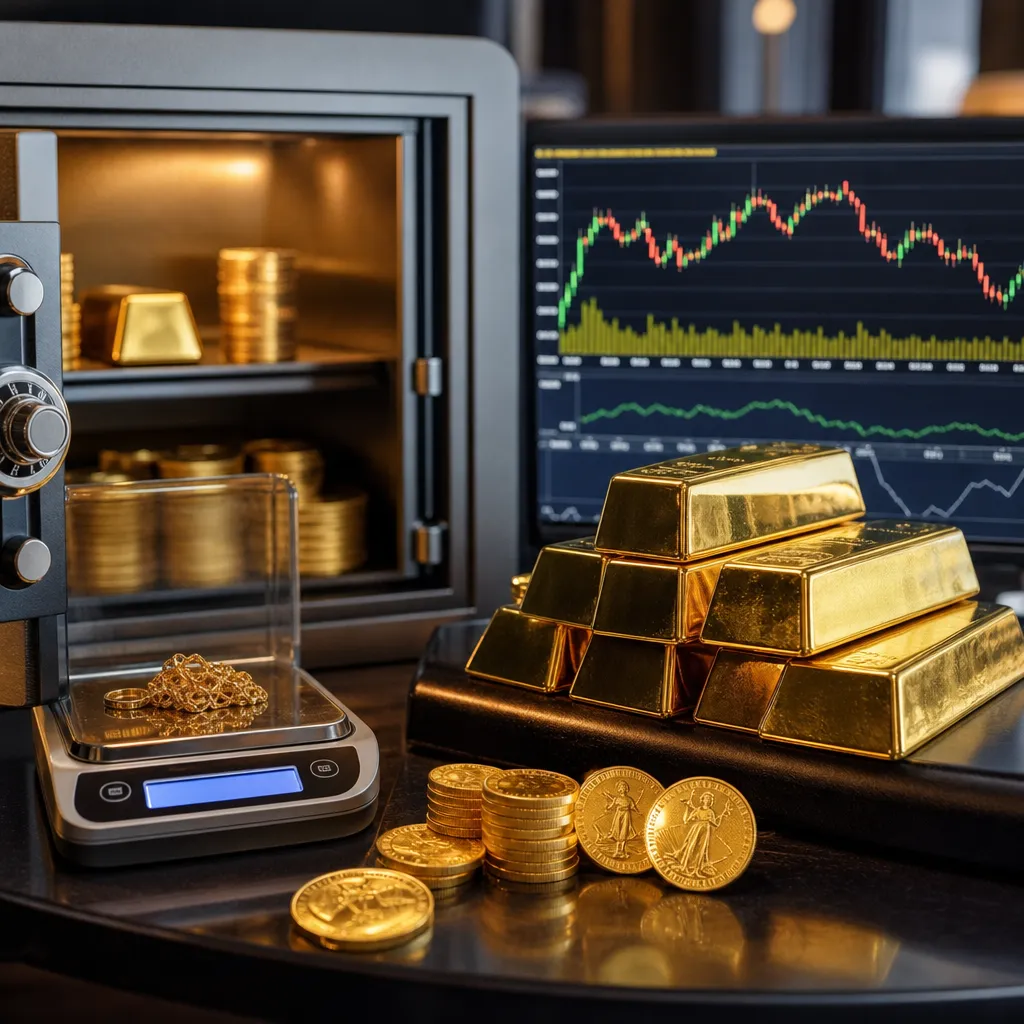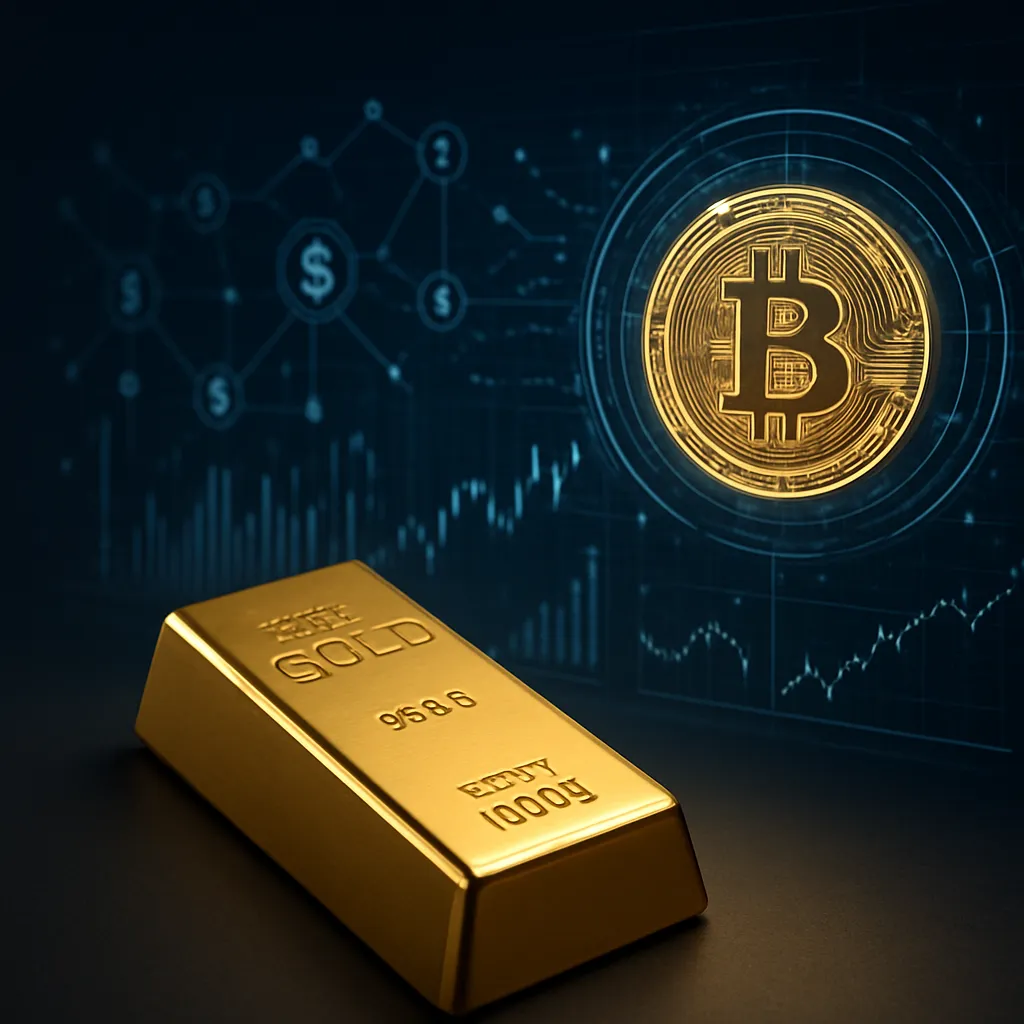
The enduring allure of gold transcends centuries of economic change, yet its role is undergoing a profound transformation in an era increasingly defined by decentralized financial innovation. As blockchain networks and digital assets reshape global markets, the integration of physical bullion and tokenized equivalents presents unique opportunities and challenges. This exploration delves into the evolving interplay between gold and the expanding realm of decentralized finance, examining historical foundations, market dynamics, emerging protocols, and future prospects for this precious metal in a digital age.
Gold’s Historical Role in Global Finance
Since antiquity, gold has served as a universal store of value, a medium of exchange, and a measure of monetary stability. Ancient civilizations prized its scarcity and durability, minting coins to back emerging economies. The classical gold standard, established in the 19th century, anchored major currencies to fixed weights of bullion, fostering international trade and limiting inflationary pressures. Although most nations abandoned formal gold pegs in the 20th century, central banks retained large reserves as a strategic defense against currency devaluation and systemic shocks.
Contemporary investors continue to view gold as a hedge against geopolitical turmoil, rising inflation, and volatile equity markets. Its unique combination of intrinsic value and limited supply underpins the metal’s consistent appeal amid shifting economic cycles. Even in a world driven by paper currencies and digital payments, gold retains its symbolic and functional importance, providing a tangible anchor in times of uncertainty.
The Emergence of Decentralized Financial Systems
Decentralized Finance, or DeFi, leverages blockchain technology to recreate traditional banking services—lending, borrowing, trading—without centralized intermediaries. Smart contracts automate trustless transactions, reducing reliance on established institutions and lowering entry barriers for global participants. Platforms built on public ledgers offer unprecedented transparency, 24/7 accessibility, and composability across financial products.
As DeFi protocols scale, liquidity pools and automated market makers (AMMs) facilitate seamless asset swaps, while decentralized stablecoins link to fiat values through on-chain collateralization. Yet, inherent volatility in crypto markets prompts continuous exploration of stable, low-correlation assets. Here, tokenized gold emerges as a compelling bridge between the centuries-old metal and next-generation financial architectures.
Integration of Gold into Decentralized Protocols
- Gold-Backed Tokens: Various projects issue tokens pegged 1:1 to physical bullion stored in secure vaults. Each token represents a claim on a specific quantity of refined gold, audited by third parties and redeemable upon demand. These digital assets combine the metal’s intrinsic value with blockchain’s transferability.
- Decentralized Exchanges (DEXs): Gold tokens trade alongside cryptocurrencies on leading DEXs, allowing users to swap digital gold for Ether, stablecoins, or other assets without order books or centralized custodians.
- Collateralized Lending: Borrowers can pledge tokenized gold as collateral to secure loans, leveraging the metal’s price stability to obtain funds in crypto or stablecoins. Conversely, liquidity providers earn interest by supplying gold-backed tokens to lending pools.
- Yield Farming and Staking: Certain DeFi platforms offer rewards for locking gold tokens within smart contracts, incentivizing holders with additional tokens or protocol fees, thus enhancing overall liquidity.
Market Dynamics and Price Factors
Understanding global gold price fluctuations within a decentralized context demands a dual perspective: traditional bullion markets and nascent on-chain trading volumes. Spot prices continue to reflect macroeconomic indicators—central bank policies, currency strength, geopolitical risks—while DeFi activity introduces fresh supply-demand drivers tied to token issuance, redemption flows, and smart contract utilization.
Supply and Demand
Mined gold supply grows marginally each year, constrained by geological scarcity and extraction costs. Recycling of scrap jewelry and electronic components adds modest increments, but overall availability remains limited. Demand stems from jewelry, industry, central bank purchases, and investor allocations. Tokenization adds a digital layer: if token issuers overextend issuance without proper vault reserves, market confidence could erode, potentially triggering redemption runs and price distortions.
Monetary Policy and Inflation
Unconventional monetary measures, including quantitative easing and negative interest rates, amplify concerns over currency debasement. Investors often rotate into gold to shield portfolios from inflationary pressures. In DeFi, algorithmic currencies sometimes struggle with stability, prompting developers to explore precious metal backing as an anti-inflation mechanism. Integration of gold can lend credibility and reduce volatility for nascent stablecoins.
Challenges and Opportunities for the Future
The convergence of gold and decentralized finance promises enhanced market efficiency, broader accessibility, and novel financial products. Yet, the road ahead faces several hurdles.
Regulatory Hurdles
Authorities worldwide grapple with classifying tokenized gold—as commodities, securities, or digital assets. Uncertain legal frameworks complicate issuer compliance, cross-border trading, and investor protections. Harmonizing regulations is essential to foster institutional adoption and mitigate fraud risks.
Custody and Audit
Trust in the physical backing of gold tokens hinges on rigorous custody standards, transparent auditing, and tamper-proof vault security. While some projects publish regular attestation reports, inconsistent practices across jurisdictions can undermine confidence in on-chain collateral.
Technological Innovation
Advancements in smart contract security, interoperability protocols, and layer-2 scaling solutions will shape the efficiency and cost-effectiveness of gold-backed DeFi. Emerging cross-chain bridges may unlock liquidity across disparate networks, enabling seamless transfers of gold tokens between Ethereum, Solana, Binance Smart Chain, and others.
Adoption and Education
Wider adoption depends on user-friendly interfaces, accessible wallets, and educational initiatives to demystify tokenized bullion. Retail investors, institutional treasuries, and even sovereign wealth funds stand to benefit from programmable gold assets, provided the ecosystem delivers transparency, security, and predictable yields.
Market Integration
Partnerships between traditional bullion dealers, custodians, and DeFi platforms can bridge the gap between legacy and digital finance. Collaborative models may include white-label token issuance, integrated custody offerings, and co-developed smart contracts, expanding the reach of gold into diverse financial channels.