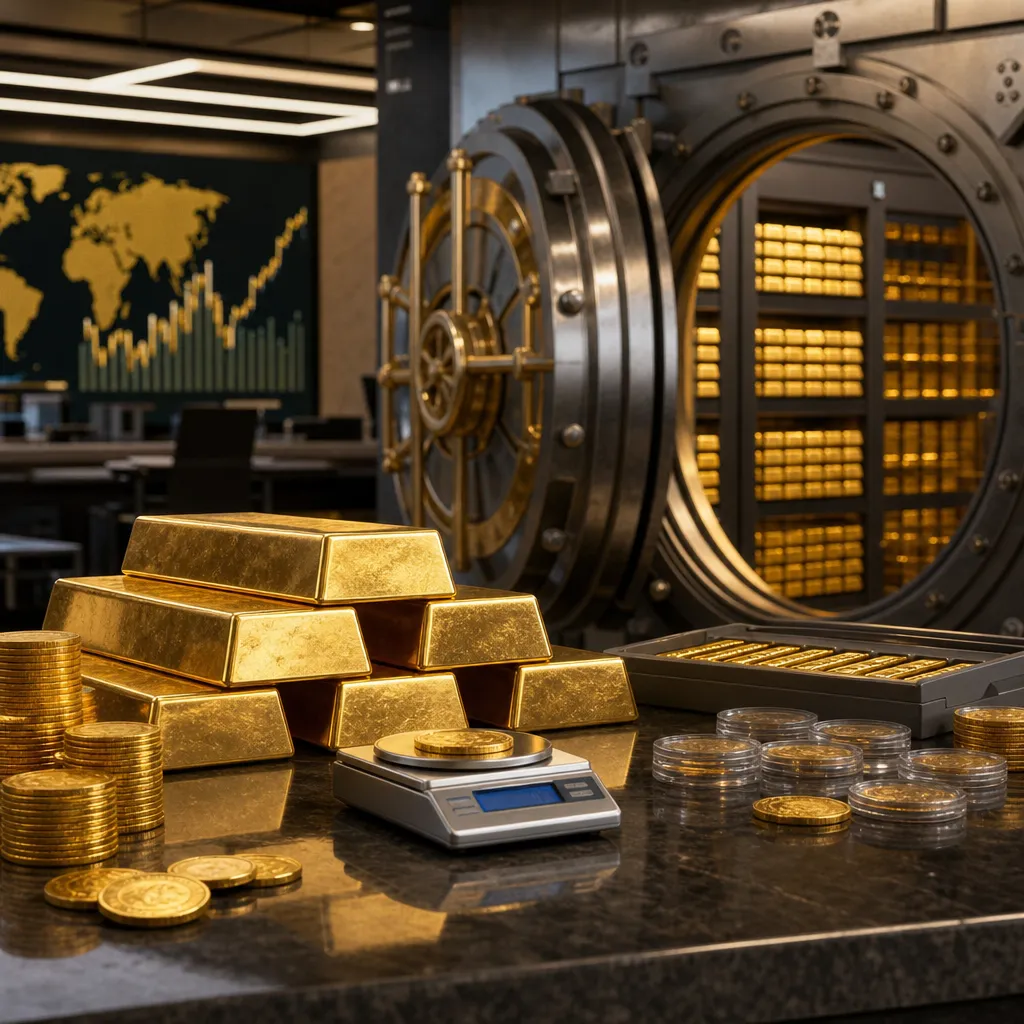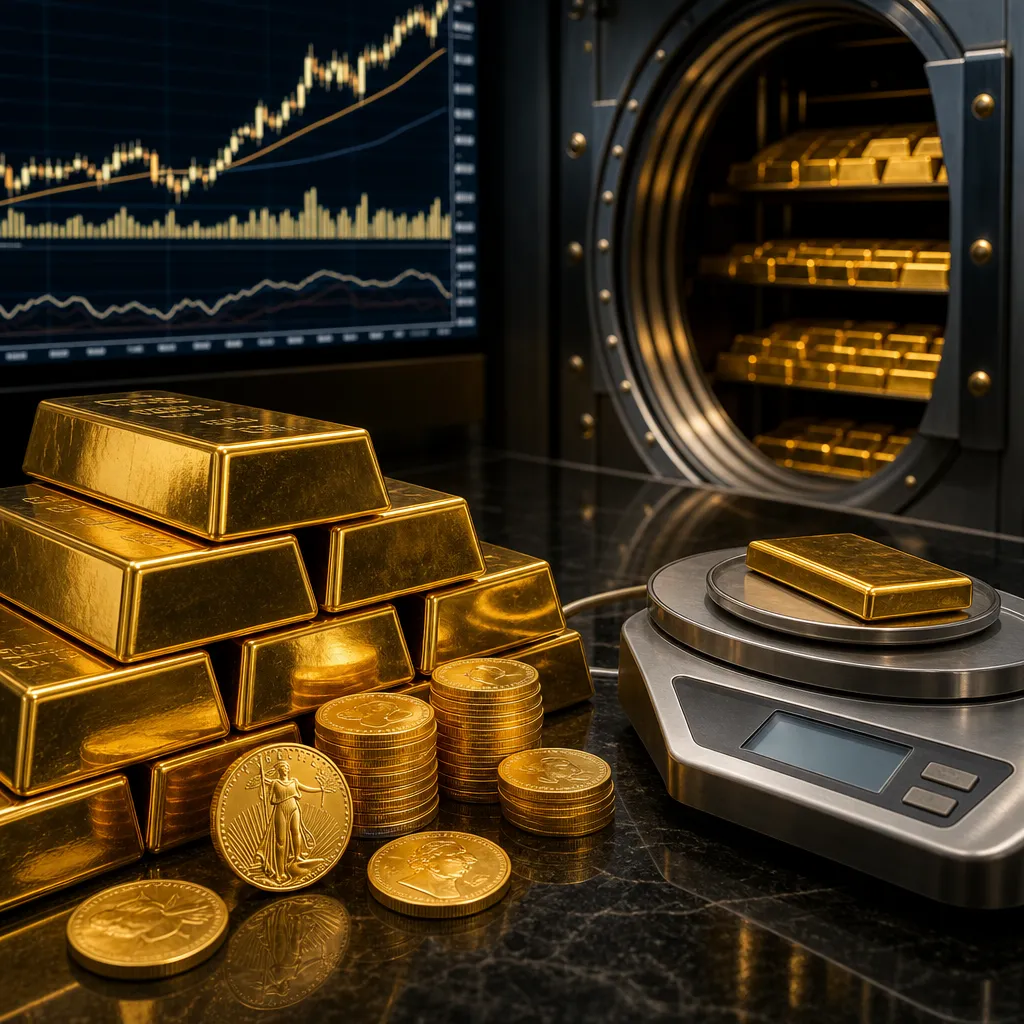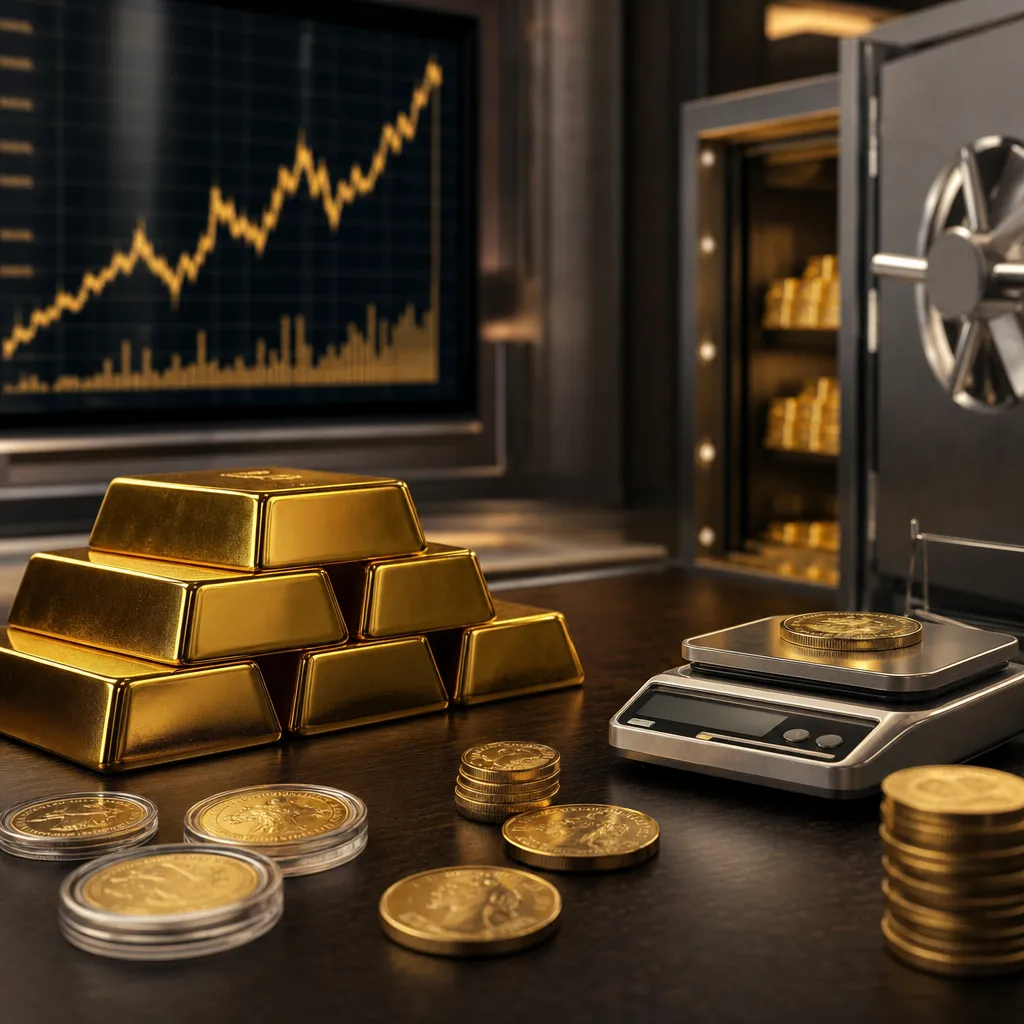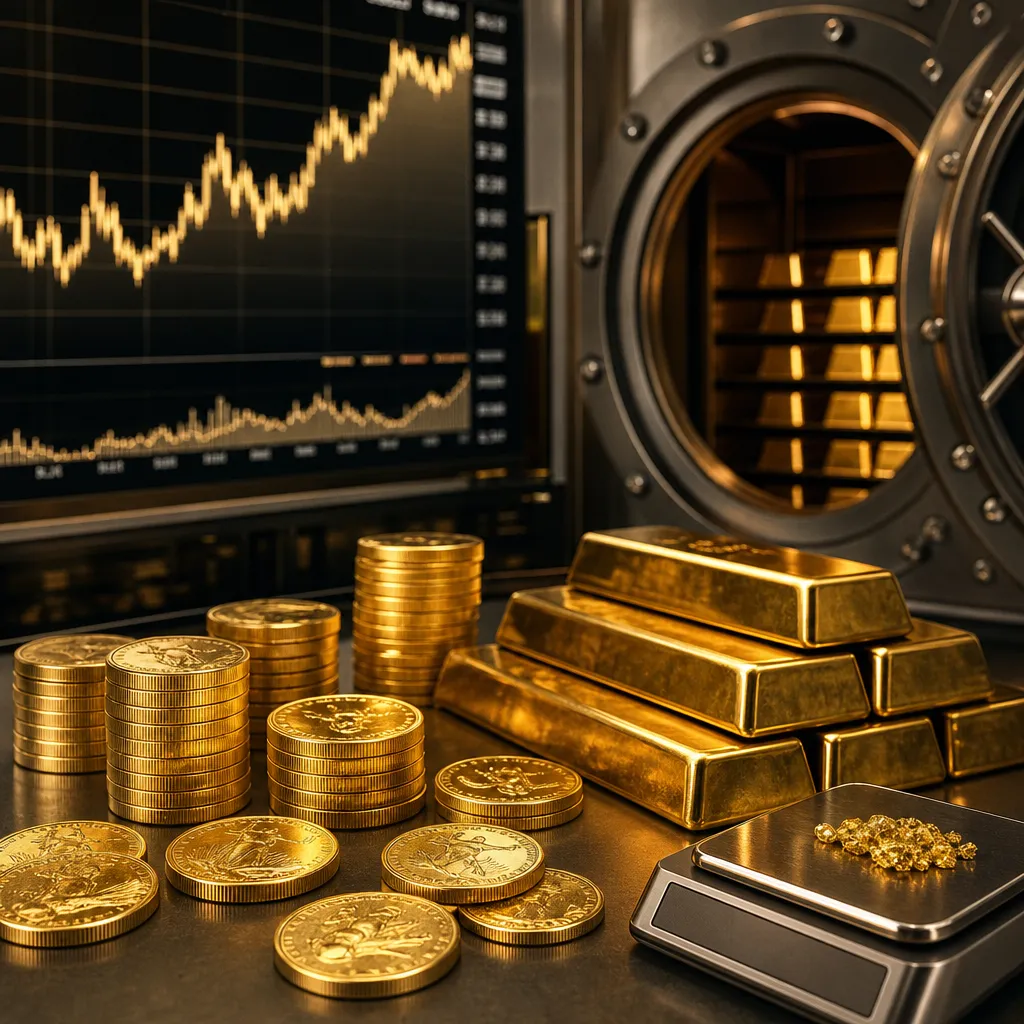
The intricate relationship between gold and emerging market currencies has garnered increasing attention among global investors, policymakers, and central banks. As the world economy grapples with varied growth trajectories, shifting monetary policies, and unpredictable geopolitical events, the interplay of precious metals and local currencies in developing regions offers unique insights into risk management and portfolio optimization. This article explores the multifaceted connections that drive gold prices, the influence of currency dynamics in emerging markets, and effective strategies for stakeholders seeking to harness the complementary attributes of both assets.
Global Gold Dynamics and Emerging Market Behavior
Since ancient times, gold has served as a store of value, a medium of exchange, and a symbol of wealth. In the context of modern finance, it remains a key component of central bank reserves and a benchmark for measuring currency strength. Emerging economies such as India, China, Turkey, and South Africa not only consume significant amounts of physical gold but also hold substantial bullion in their official reserves to diversify away from dominant reserve currencies. Goldman Sachs, the World Gold Council, and the IMF regularly report on how geopolitical tensions or shifts in the US Federal Reserve’s policy rate can trigger fluctuations in the market price of gold and, by extension, affect local currency values.
Emerging market currencies often exhibit greater volatility compared to developed market counterparts, which can amplify gold’s appeal as a hedge. When central banks increase gold purchases, they signal an intent to mitigate potential losses from currency depreciation. A surge in global demand can push gold prices upward, thereby reinforcing its role as a crisis hedging asset. Conversely, sudden sell-offs by institutional investors—prompted by margin calls or funding pressures—can depress prices, impacting countries whose gold-to-GDP ratio is significant.
Currency Fluctuations and Price Correlation
The relationship between gold and local currencies hinges on several factors:
- Interest Rate Differentials – Higher policy rates in developed economies tend to strengthen the US dollar, making gold more expensive in liquidity-constrained markets.
- Inflation Expectations – Rising consumer prices in emerging markets often drive investors toward gold to preserve purchasing power.
- Trade Balances – Countries with large current account deficits may see their currencies weaken, pushing demand for alternative assets like bullion.
- Geopolitical Shocks – Political unrest, trade disputes, or sanctions can trigger capital flight, elevating gold’s safe-haven status.
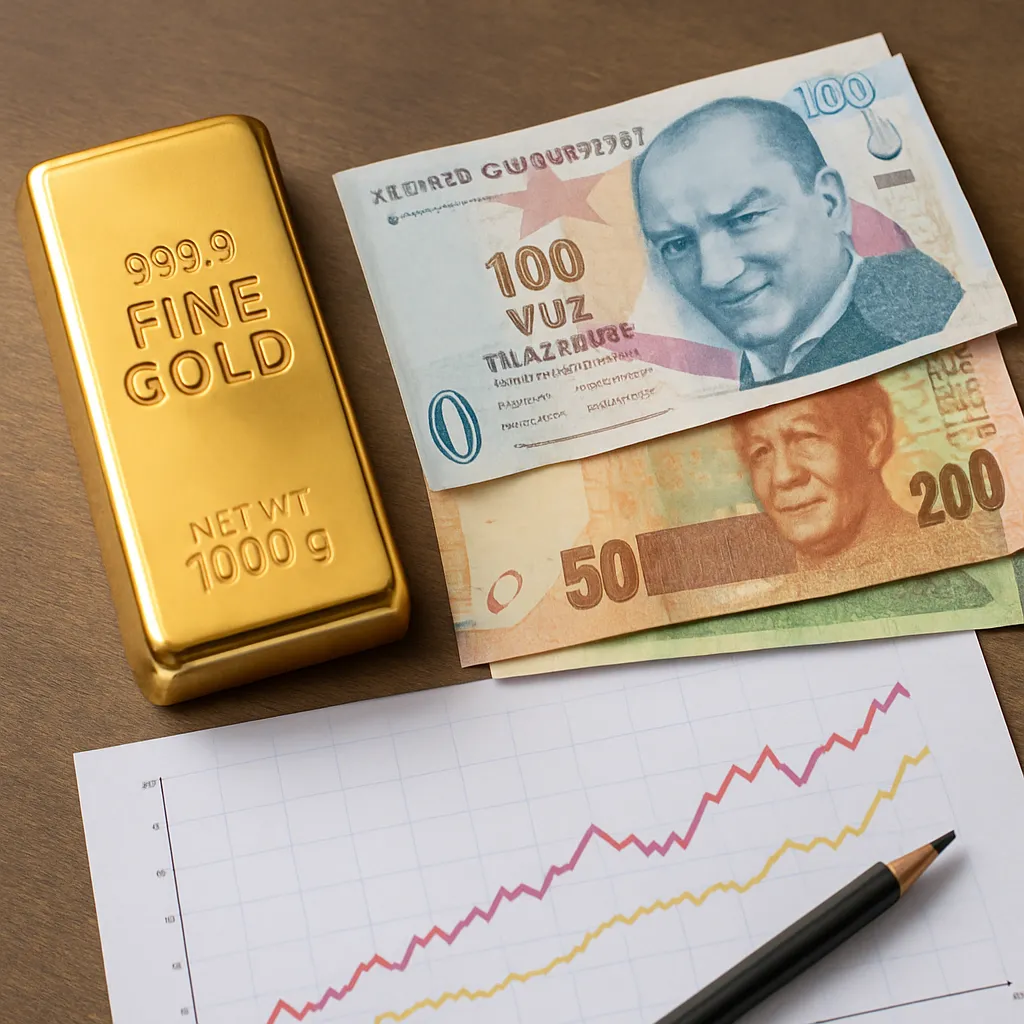
Academic research has documented both positive and negative correlations between gold returns and emerging market currency movements. For example, during periods of elevated CPI prints in Brazil or India, gold prices denominated in Brazilian real (BRL) or Indian rupee (INR) often appreciate more than those quoted in USD. This phenomenon arises because domestic investors perceive local currency erosion as a call-to-action for acquiring real assets. Similarly, Turkish lira (TRY) depreciation has historically coincided with TL-denominated gold price rallies, reinforcing gold’s reputation as a quasi-currency in times of financial stress.
Exchange Rate Pass-Through and Gold Demand
Exchange rate pass-through refers to how changes in the spot FX rate translate into domestic prices of imported goods, including gold. In economies with high import dependency for jewelry manufacturing or tech industries that use gold, a weaker currency can lead to higher local gold prices, dampening consumer demand. Central banks may respond by adjusting benchmark rates or intervening in currency markets, but such actions can further disrupt the gold–currency nexus if they undermine investor confidence.
Monetary Policy, Speculation, and Market Sentiment
Monetary authorities in emerging markets often face the dual challenge of containing inflation while fostering growth. Gold enters the equation as both an investment asset and a strategic reserve. When policymakers signal a future accommodative stance—such as cutting policy rates or expanding quantitative easing—gold prices typically rise, reflecting lower opportunity costs and heightened inflation risk. In contrast, hawkish statements aimed at tightening liquidity can curb gold rallies, even if the US dollar remains unstable.
Speculative trading also plays a crucial role. Commodity funds and hedge strategies use derivatives to express views on gold prices. Large open interest in futures or options markets can exacerbate short-term swings when forced liquidations occur. Emerging market traders, in particular, monitor the Commitment of Traders (COT) reports to gauge international spec flows, and they may use gold-backed exchange-traded funds (ETFs) to align their positions with global trends.
Strategies for Investors and Policy Makers
Understanding the dynamic between gold and local currencies enables diversified approaches:
- Hedge Exposure: Combining gold bullion or ETFs with FX forwards helps protect against currency devaluation.
- Diversification Portfolios: Allocating a portion of assets to precious metals can cushion equity drawdowns in emerging markets.
- Central Bank Reserve Management: Including gold in reserves reduces reliance on foreign sovereign debt and enhances balance sheet resilience.
- Local Currency Bonds vs. Gold Loans: Issuing gold-linked bonds can attract investors seeking yield with embedded inflation protection.
For institutional investors, a structured approach might involve regular rebalancing based on volatility-adjusted weightings. When emerging market currencies exhibit extreme swings, fund managers can tactically increase gold allocations. Conversely, in stable FX environments with strong carry trade potential, they may tilt toward high-yielding bonds. Sovereign funds often integrate gold into their strategic asset allocation models to smooth returns over business cycles.
Challenges and Future Outlook
While gold and emerging market currencies share a complementary relationship, several challenges persist. First, local market infrastructure in some regions lacks deep, transparent trading venues, leading to pricing inefficiencies. Second, capital controls or import restrictions on gold can distort the true supply–demand balance. Third, technological advances such as digital gold tokens and central bank digital currencies (CBDCs) may reshape traditional flows, introducing new vectors of correlation.
Nevertheless, the long-term trajectory suggests that gold will remain integral for countries seeking to diversify reserves and investors aiming to manage currency risks. Emerging market central banks continue to accumulate gold, especially when geopolitical frictions limit access to major reserve currencies. At the same time, rising middle-class demand for jewelry and investment products in Asia and Latin America sustains robust consumption, underpinning prices even in periods of reduced speculative interest.
Conclusions for Stakeholders
The interplay between gold pricing and emerging market currencies embodies a rich tapestry of macroeconomic variables, investor psychology, and structural trends. Recognizing these interconnected forces empowers market participants—from global asset managers to regional monetary authorities—to craft strategies that leverage gold’s enduring store-of-value attributes alongside the yield opportunities and growth potential of developing economies. By closely monitoring interest rates, macro indicators, and geopolitical shifts, stakeholders can optimize their allocations, protect against unforeseen currency shocks, and capitalize on the symbiotic relationship between precious metals and dynamic markets.