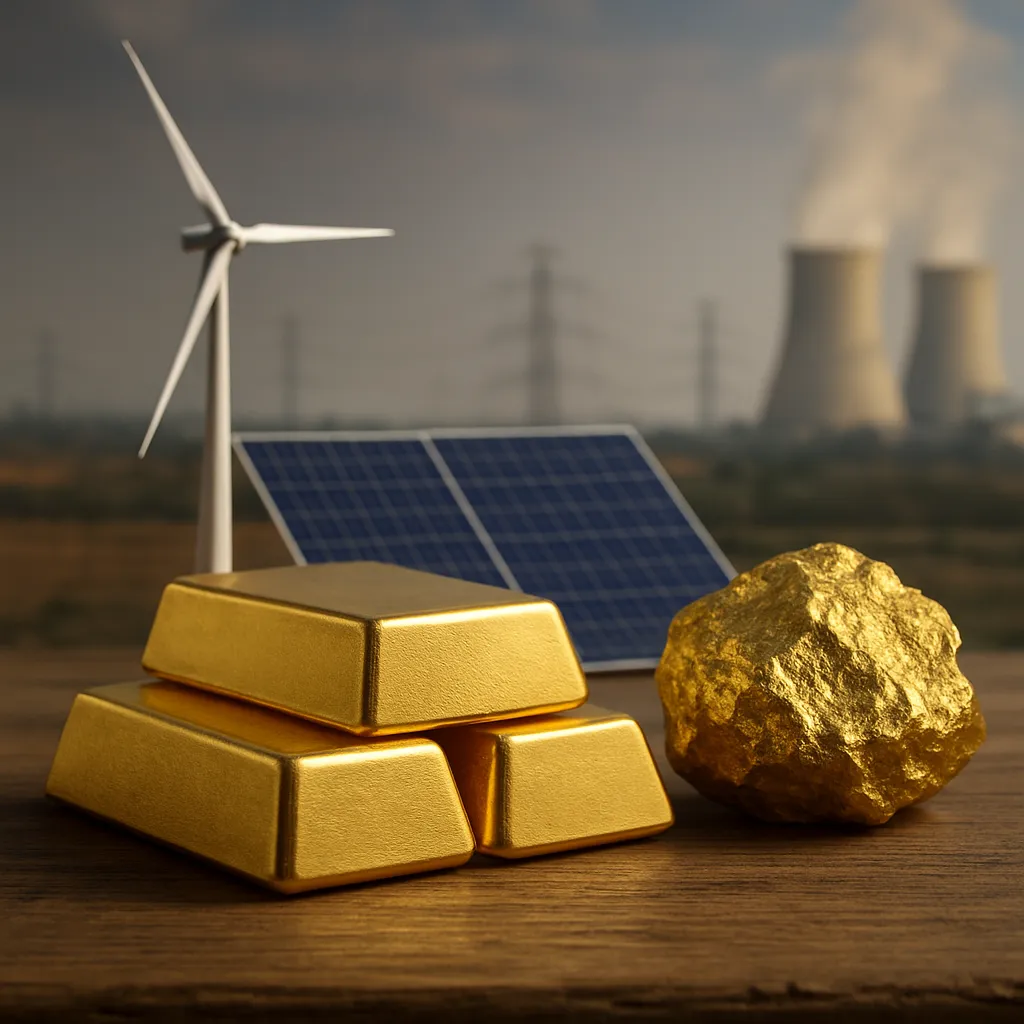
The global pursuit of a low-carbon future has sparked an intense reevaluation of traditional asset classes, with gold emerging as a vital component in the evolving economic landscape. While historical narratives often revolve around gold’s ornamental allure or its role as a monetary reserve, its involvement in funding and hedging the energy transition is rapidly gaining prominence. This article examines the complex interplay between gold price dynamics and the ambitions to decarbonize economies, shedding light on how this timeless metal can support a sustainable future.
Market Forces Shaping World Gold Price
Global Demand and Supply Dynamics
Gold production is geographically concentrated, with major contributions from China, Australia, Russia, and the Americas. Periodic disruptions—such as labor disputes, environmental regulations, and geological challenges—can tighten supply, driving price spikes. On the demand side, central banks continue to accumulate bullion to reinforce reserve strategies, while jewellery and technology sectors absorb significant volumes each year. Investors closely monitor these shifts to anticipate price movements. The imbalance between mine output and withdrawals from vaults underscores the volatility that characterizes gold’s market behavior.
Macro-Economic Influences
Interest rates, currency valuations, and inflation expectations form a triad of critical determinants for gold prices. Lower real yields on government bonds tend to push capital toward non-yielding assets like gold, amplifying its appeal as a store of value. Currency depreciation, particularly in major fiat units, often correlates with stronger gold pricing in dollar terms. Central bank monetary policy decisions—especially unconventional measures such as quantitative easing—heighten concerns about currency debasement, prompting investors to seek refuge in bullion. As a result, gold serves as a strategic tool to preserve purchasing power in times of economic uncertainty.
Gold’s Role in Energy Transition Financing
Funding Renewable Projects
Emerging structures leverage gold as collateral to underpin financing for solar, wind, and battery installations. Commodity-backed lending arrangements allow mining companies to raise capital against existing reserves, channelling cash flows into green infrastructure. By monetizing unexploited assets, project developers can secure lower borrowing costs compared to unsecured debt, reducing the overall cost of capital for large-scale renewable ventures. This mechanism not only unlocks trapped value but also aligns resource extraction with the sustainability agenda.
Stabilizing Financial Structures
Portfolio managers and sovereign wealth funds increasingly adopt gold-linked notes and structured products to insulate their balance sheets from market shocks. During periods of commodity price collapses or credit squeezes, these instruments provide essential liquidity, preventing forced asset sales and enabling continuity of funding for long-term decarbonization projects. By diversifying exposure across multiple revenue streams—including mining royalties and forward sale agreements—financial entities can maintain robust cash flows even when primary markets fluctuate.
Investment Strategies and Risk Management
Diversification Techniques
To optimize risk-adjusted returns, sophisticated investors allocate a portion of their portfolio to bullion or gold-linked instruments. This approach capitalizes on gold’s historically low correlation with equities and fixed income during crisis events. Key strategies include:
- Physical bullion holdings stored in secure vaults
- Exchange-traded funds (ETFs) that track spot prices
- Gold futures and options for tactical positioning
- Mining equities and royalty trusts offering leveraged exposure
Each vehicle presents unique trade-offs in terms of counterparty risk, storage costs, and tax considerations. A balanced mix provides enhanced diversification while ensuring ready access to capital when needed.
Hedging Against Market Stress
As global economies adjust to shifting energy paradigms, the probability of disruptive policy changes and supply chain bottlenecks remains elevated. Gold functions as an effective hedge against geopolitical uncertainties that can derail oil and gas markets or cause abrupt swings in electricity prices. For institutional investors, embedding gold within broader commodity portfolios can cushion portfolios from steep drawdowns during systemic shocks, preserving capital for redeployment into emerging low-carbon technologies.
Future Outlook: Gold in a Low-Carbon Economy
Technological Advances and Mining Practices
Innovations such as precision extraction methods, water- and energy-efficient processing, and mine waste valorization are redefining gold production’s environmental footprint. Adoption of renewable energy sources at mining sites reduces greenhouse gas emissions, while real-time monitoring systems enhance operational efficiency and safety. These advancements contribute to the metal’s overall resilience as an asset class aligned with decarbonization goals.
Policy and Regulatory Environment
Governments are increasingly mandating responsible sourcing standards and transparency in supply chains. Initiatives like conflict-free certifications and carbon-intensity reporting push mining firms to demonstrate compliance with stringent environmental and social criteria. Concurrently, central banks must balance reserve diversification with their own net-zero commitments, potentially influencing future gold purchasing strategies. In this context, gold’s status as a potential bridge between traditional finance and the transition economy will hinge on proactive policy frameworks that incentivize sustainable practices.