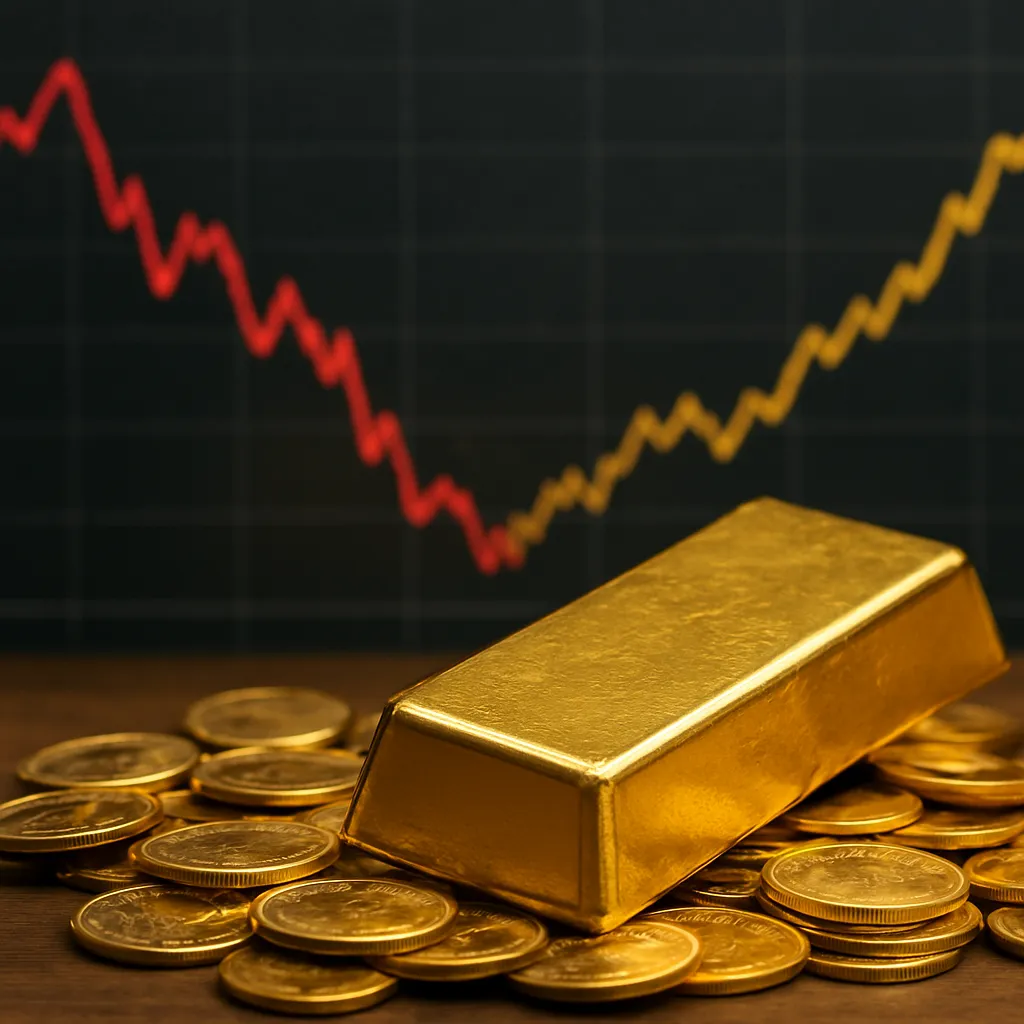
The resilience of gold in times of crisis has long fascinated investors, analysts, and policymakers around the globe. While equities and commodities often suffer sharp declines during financial downturns, the yellow metal frequently emerges as one of the first assets to stage a comeback. Exploring the factors behind this robust performance sheds light on the dynamics of the world gold price and its capacity to act as a reliable hedge. This article delves into the key forces driving gold’s rapid recovery, drawing insights from historical episodes, market mechanics, and broader macroeconomic conditions.
Historical Patterns of Gold’s Recovery
The historical record offers multiple instances where gold reasserted its strength shortly after major market downturns. During the 2008 global financial crisis, gold prices briefly dipped alongside other assets before rallying to new highs by 2011. Similarly, in the wake of the dot-com collapse in the early 2000s, the metal began a multi-year ascent even as stocks languished. These episodes underscore several recurrent themes:
- Safe haven demand surges when confidence in other asset classes wanes.
- Central banks often boost reserves, amplifying liquidity in the gold market.
- Investors rebalance portfolios, shifting capital from volatile equities into more stable alternatives.
Take the 2020 pandemic-induced selloff as a recent example. Equity markets plunged in March, and for a brief period, volatility spikes led to forced liquidations of gold positions. Yet this correction proved shallow. By mid-year, gold was back above its previous peak, driven by renewed buying in exchange-traded funds (ETFs) and central bank acquisitions.
The Role of Market Structure and Liquidity
Understanding why gold recovers swiftly requires a look at the structure of its markets. Unlike many commodities with production-based supply constraints, gold’s stockpile grows only modestly each year. This static supply backdrop creates a unique dynamic:
- Physical holdings—bars and coins—tend to be hoarded in crises, restricting immediate supply to market participants.
- Paper instruments such as futures and ETFs facilitate rapid redeployment of funds back into gold as sentiment improves.
- Global trading venues remain active across time zones, ensuring continuous prices discovery and swift absorption of order flows.
Moreover, the interplay between spot and derivatives markets plays a crucial role. During a panic-driven selloff, the basis and forward curves in futures markets may invert, reflecting an acute shortage of ready gold. Yet once the turmoil subsides, traders exploit arbitrage opportunities, buying spot gold (or leasing it) and selling futures, thereby normalizing prices and fueling the rebound.
Macroeconomic Drivers of the Rebound
Several macro trends converge to steer gold higher after a downturn. Four forces stand out:
- Monetary easing: Central banks slash interest rates and expand balance sheets, diminishing the opportunity cost of holding non-yielding gold.
- Inflation expectations: Stimulus measures stoke fears of currency debasement, prompting investors to seek the protective qualities of a tangible asset.
- Currency dynamics: Weaker dollar phases often coincide with gold rallies, as international buyers find the metal more affordable.
- Geopolitical uncertainty: Heightened tensions catalyze fresh allocations to safe haven assets.
For instance, in the aftermath of the Global Financial Crisis, the U.S. Federal Reserve’s Quantitative Easing programs unleashed unprecedented liquidity. While these measures stabilized credit markets, they also fueled speculative bets on future inflation, supporting gold’s appeal. As yields on government bonds declined, the relative attractiveness of non-yielding assets climbed, accelerating gold’s ascent.
Investor Behavior and Portfolio Allocation
Critical to gold’s early comeback is shifting investor psychology. During acute selloffs, broad-based margin calls force liquidation across asset classes. Even gold positions are not immune at the nadir of panic. Yet as conditions calm, two processes unfold:
- Cutting-edge traders and hedge funds rapidly reload gold futures and options to profit from mean reversion in volatility.
- Longer-term investors—pension funds, endowments, and sovereign wealth managers—reassess allocation strategies, often increasing target weights in gold for diversification benefits.
Surveys by leading asset consultants consistently reveal that many institutional mandates include a 5–10% strategic allocation to gold. When risk assets underperform, these investors systematically deploy additional capital, providing a powerful bid that helps gold reclaim losses.
Technological and Regulatory Enhancements
Innovation in trading infrastructure and regulatory frameworks has also made gold more accessible and liquid. Key developments include:
- Widespread adoption of digital trading platforms offering real-time pricing and low transaction costs.
- Emergence of gold-backed digital tokens and blockchain-based clearing, reducing settlement times.
- Regulatory recognition of gold ETFs as qualifying collateral for central bank operations, increasing demand elasticity.
These advances ensure that when conditions stabilize, capital flows back into gold swiftly and efficiently, bolstering the rebound process. Moreover, improved transparency and reporting standards help attract both retail and institutional interest, reinforcing the metal’s resilience.
Comparative Dynamics: Gold Versus Other Safe Havens
While assets like government bonds and certain currencies also benefit after crises, gold’s performance often outpaces alternatives. Several factors distinguish it:
- Limited supply growth means demand spikes translate directly into higher prices.
- Gold is unencumbered by credit risk, unlike sovereign debt, whose yields may widen under fiscal stress.
- Its global recognition and portability make it a universally accepted store of value.
During market stress, government bond yields can collapse, but they remain tied to fiscal and monetary policy decisions. Gold, on the other hand, operates outside the balance sheet of any single nation, providing an extra layer of security that attracts capital when faith in institutions is tested.
Emerging Market Demand and Central Bank Activity
Emerging economies have become a driving force behind gold’s resurgence. Central banks in Asia and the Middle East have consistently added to their reserves, motivated by diversification goals and trade surpluses. Private demand in countries like India and China also spikes when local prices correct, creating a robust two-way channel of support:
- Official purchases signal confidence and encourage speculative inflows.
- Retail buying in consumer markets often follows a sharp dip in local currency terms.
Data from the World Gold Council show that central bank net purchases have averaged well over 300 tonnes annually in recent years. This steady, institutionalized demand underpins the early phase of recovery as market turmoil gives way to normalization.
Looking Ahead: Trends Shaping the Next Cycle
Several emerging trends are likely to influence gold’s behavior in future crises:
- Enhanced ESG considerations: Gold producers are under pressure to improve sustainability credentials, potentially constraining supply if standards tighten.
- Digital wallets and fintech platforms: Broader distribution channels may accelerate retail uptake when volatility subsides.
- Shifting monetary policy frameworks: Tighter inflation targeting could moderate the correlation between rate cuts and gold rallies, introducing new drivers into the trend.
Nevertheless, the core combination of limited supply growth, universal recognition, and non-correlation with other assets suggests that gold will remain primed for a rapid comeback when the next downturn arrives. Investors seeking to fortify their investment strategies would do well to monitor global price drivers and maintain an agile approach to allocation.