The dynamics between gold prices and the U.S. dollar index have long fascinated investors, economists, and policymakers. Understanding why these two financial metrics often move in opposite directions is essential for market participants seeking to manage risk and capture opportunities. This article explores the key drivers behind this inverse relationship, the broader implications for the global economy, and strategies to leverage these insights effectively.
Relationship between Gold and the U.S. Dollar Index
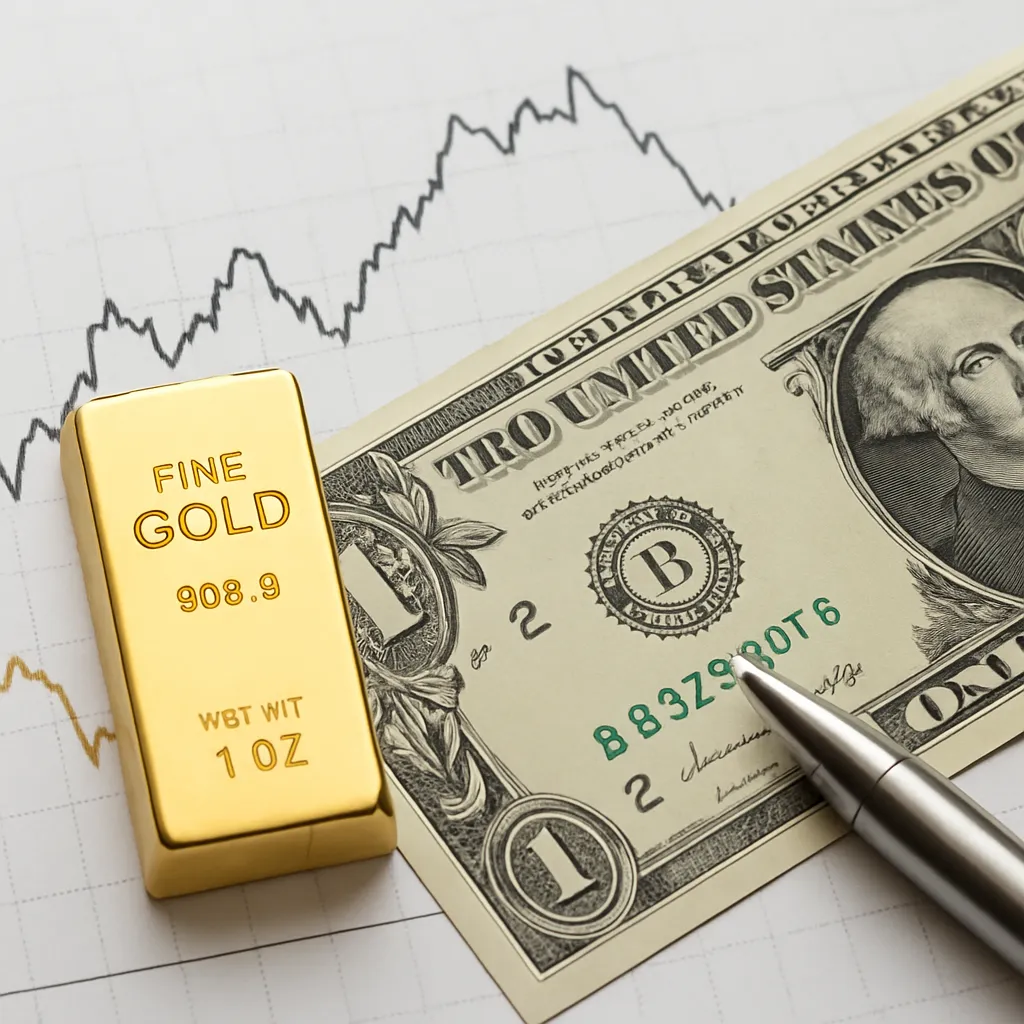
At its core, the inverse correlation between gold and the U.S. dollar stems from their competing roles in global finance. When the dollar strengthens, gold becomes more expensive in other currencies, reducing demand and pushing prices down. Conversely, a weakening dollar makes gold more appealing to international buyers, driving prices higher.
Role of Currency Valuation
Currency valuation plays a pivotal role in shaping commodity prices. The U.S. dollar index, which tracks the dollar’s performance against a basket of six major currencies, serves as a barometer for global currency strength. As the index rises:
- Foreign buyers require fewer local units to purchase a troy ounce of gold.
- Demand for gold denominated in weaker currencies diminishes.
- Gold producers may adjust pricing to maintain international competitiveness.
Safe-Haven vs. Reserve Asset
Both the U.S. dollar and gold are considered safe-haven assets. During periods of economic stress, investors typically seek refuge in these instruments. However, the choice between them often hinges on the nature of the crisis. A liquidity squeeze or banking panic might favor the dollar, while inflationary concerns or sovereign debt crises tend to benefit gold.
Key Drivers of the Inverse Movement
Several macroeconomic and market forces underpin the tug-of-war between gold and the U.S. dollar. Recognizing these drivers helps investors anticipate turning points and craft more robust portfolios.
Inflation and Real Interest Rates
Inflation erodes the purchasing power of fixed-income investments and fiat currencies. When inflation expectations rise:
- Central banks may tighten monetary policy by raising interest rates.
- Higher nominal rates boost the appeal of the dollar for yield-seeking investors.
- Real interest rates (nominal rates minus inflation) can turn negative, prompting a shift towards gold as an inflation hedge.
The interplay between nominal and real rates directly influences the carry cost of holding gold versus yielding dollar assets. Negative real rates enhance the attractiveness of gold, while positive real rates bolster dollar demand.
Global Liquidity and Central Bank Actions
Central banks’ balance sheet policies are another major determinant. Quantitative easing (QE) programs and large-scale asset purchases inject liquidity into financial systems, often weakening the dollar. In such environments, gold tends to rally:
- QE lowers borrowing costs and devalues the currency through money creation.
- Investors flock to tangible assets like gold to protect wealth.
- Rising gold prices reflect concerns over fiat currency debasement.
Conversely, quantitative tightening (QT) and balance sheet normalization support the dollar, creating headwinds for gold.
Geopolitical Risk and Market Volatility
Heightened geopolitical tensions, trade disputes, or financial market turbulence can fuel both dollar and gold demand, though not simultaneously. Typically:
- Cross-border tensions increase currency risk, prompting dollar accumulation.
- Prolonged or severe crises trigger a broader flight to safety in gold.
- Swings in market volatility often coincide with sharp but brief divergences in the dollar-gold correlation.
Implications and Strategies for Investors
For investors navigating global markets, recognizing the opposite movements of gold and the U.S. dollar index offers practical benefits. A well-balanced approach can harness this dynamic to enhance returns and manage risk.
Diversification and Portfolio Hedging
Incorporating both dollar-denominated assets and gold into a portfolio provides multi-dimensional protection:
- During dollar surges, rate-sensitive bonds and cash positions outperform, offsetting gold underperformance.
- When inflation spikes or the dollar weakens, gold cushions against currency depreciation and purchasing power loss.
- Allocations to emerging market debt, commodities, and alternative investments can further refine hedging efficiency.
This diversification ensures that no single market driver can inflict disproportionate damage on the overall portfolio.
Timing and Tactical Adjustments
Active managers often seek to exploit anticipated shifts in the dollar-gold relationship through tactical positioning:
- Monitoring central bank meeting minutes for signs of tightening or easing policies.
- Tracking U.S. Treasury yields and real rates to anticipate shifts in money flows.
- Analyzing currency futures and options markets for sentiment around dollar strength or weakness.
A disciplined rule-based approach, combined with fundamental and technical analysis, can improve the timing of entries and exits in both gold and dollar-centric instruments.
Global Portfolio Considerations
Investors outside the U.S. face additional currency layers when trading gold. For example:
- A Eurozone investor experiences a double effect if the dollar weakens: gold becomes cheaper in euros and domestic currencies may depreciate against the euro.
- Hedging currency exposures via forward contracts or options can neutralize unintended risks.
- Cross-asset correlations should be monitored, especially during crisis episodes when typical relationships can break down.
By integrating currency hedge strategies, global portfolios can maintain fidelity to long-term allocations while reacting nimbly to market shifts.