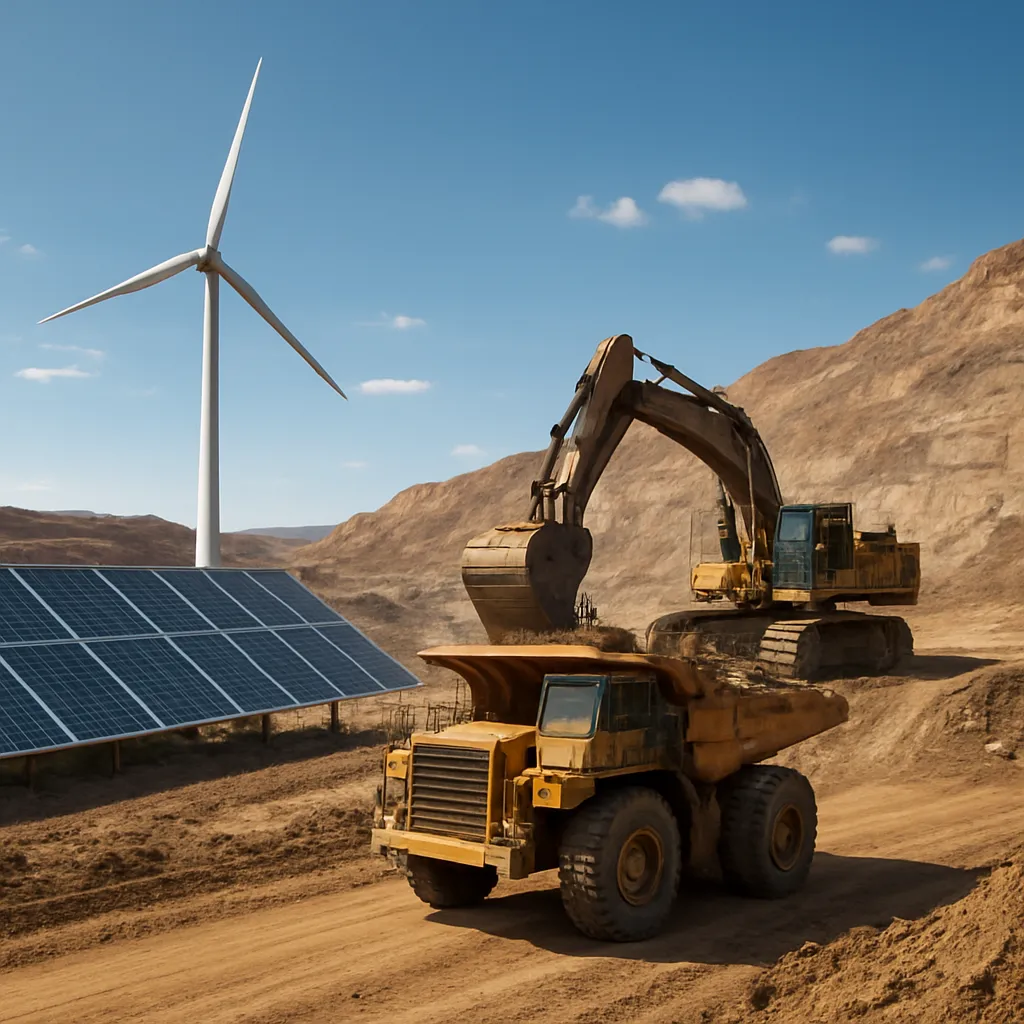
The transition toward cleaner energy sources is reshaping industries worldwide, including the lucrative domain of gold mining. As governments and corporations intensify efforts to curb carbon footprints, the gold sector is witnessing dynamic shifts in operational strategies, cost structures, and ultimately, the world gold price. This article explores how renewable energy integration influences extraction processes, financial metrics, and market volatility in the sustainable era.
Renewable Integration in Gold Mining Infrastructure
Historically, gold mining operations have relied heavily on diesel generators, coal-fired power plants, or grid electricity. These conventional sources, while reliable, generate significant carbon emissions and incur volatile fuel expenses. In recent years, leading producers have begun adopting solar, wind, and hydropower installations to reduce greenhouse gases and stabilize operational costs. For instance, large solar PV arrays are now powering remote processing facilities, and hybrid microgrids combine multiple renewables with battery storage to ensure uninterrupted supply.
The shift to renewables requires substantial up-front investment, but miners anticipate a favorable return through lower fuel outlays and reduced exposure to oil price swings. Studies show that solar-diesel microgrids can slash fuel consumption by up to 60%, translating into hundreds of thousands of dollars saved annually at midsize operations. At the same time, community relations tend to improve when local stakeholders witness cleaner, quieter power generation, enhancing a mine’s social license to operate.
Impact on Production Costs and Profit Margins
One of the most direct consequences of renewable energy adoption is the effect on production costs. Energy expenditure can account for 15–25% of total cash costs in a typical gold mine. By replacing diesel, miners can lower the all-in sustaining cost (AISC), thereby boosting profit margins. When renewable sources achieve a levelized cost of electricity (LCOE) below $0.05 per kWh, they become more competitive than many fossil fuel alternatives, even without subsidies.
However, integrating solar and wind comes with challenges, such as intermittency and grid interconnection hurdles. To mitigate these issues, firms deploy energy management systems and battery energy storage systems (BESS) that balance supply and demand. While the capital expenditure for batteries remains significant, battery prices have fallen by nearly 85% over the past decade, according to industry data. As a result, the deliverable benefits in cost-efficiency and resilience against power disruptions often outweigh the initial financing burdens for long-lived assets like mines.
Influence on World Gold Price and Market Dynamics
Global gold prices are influenced by a complex interplay of supply, demand, geopolitical tensions, and macroeconomic policies. Energy costs form a critical part of supply-side factors. When renewable integration drives down extraction expenses, producers might be more willing to increase output even as gold prices dip, thus exerting downward pressure on market rates. Conversely, regions with high fuel subsidies or abundant hydropower can outcompete diesel-dependent operations, altering regional production hierarchies.
Moreover, investors and rating agencies are increasingly incorporating Environmental, Social, and Governance (ESG) criteria into valuation models. Mines that demonstrate significant strides in reducing carbon emissions may attract premium valuations and enjoy superior financing terms. Lower borrowing costs, in turn, can support capital-intensive exploration projects and expansion plans. As more mines achieve “green” status through clean energy adoption, the aggregated supply curve shifts, potentially leading to a structural change in world gold price dynamics over the next decade.
Technological Innovations Driving Change
The renewable revolution is not limited to energy sources but extends to digital and automation technologies. Real-time monitoring platforms use IoT sensors to track power generation and consumption at every stage of the milling process. Machine learning algorithms predict periods of peak demand and optimize battery discharge cycles, ensuring that renewable output is maximally utilized. Drones equipped with photovoltaic cells conduct aerial surveys of solar farms, reducing maintenance costs and downtime.
Advanced electrolyzers powered by excess renewable energy can produce green hydrogen on-site, which may fuel specialized vehicles or generate electricity via fuel cells. This synergy between renewables and hydrogen paves the way for sustainability breakthroughs, as mobile mining equipment transitions away from diesel engines. Although these technologies are in nascent stages, pilot projects in Australia and Canada demonstrate their potential to revolutionize mine fleets and further depress carbon footprints.
Challenges and Future Outlook
Despite the promising landscape, challenges remain. Regulatory uncertainty around grid interconnection standards, shifting incentive schemes, and fluctuations in renewable equipment supply chains can stall projects. Additionally, extreme weather events tied to climate change may damage solar arrays and wind turbines, introducing new operational risks. Mines in remote areas often face logistical hurdles in transporting heavy equipment, delaying installations and inflating costs.
Nevertheless, strategic partnerships between mining companies, clean-energy developers, and financial institutions are mitigating these obstacles. Power purchase agreements (PPAs) lock in long-term pricing and reduce exposure to tariff fluctuations, while green bonds and sustainability-linked loans are unlocking capital for projects that align with net-zero targets. As technologies mature and stakeholders gain experience, the gold mining sector is poised for a profound transformation.
Implications for Stakeholders
- Investors: Must evaluate the ESG credentials of mining portfolios and anticipate shifts in cost structures affecting future cash flows.
- Governments: Can incentivize renewable deployments in resource-rich regions to stimulate local economies and reduce energy import dependence.
- Communities: Stand to benefit from reduced air pollution, job creation in clean-energy installation, and greater economic stability.
- Equipment Manufacturers: Face growing demand for robust solar modules, wind turbines designed for mining environments, and large-scale battery systems.
As renewable energy becomes a cornerstone of gold mining operations, the industry is charting a course toward a more sustainable and cost-competitive future. The interplay between cleaner power, technological innovation, and market forces will define the next era of gold production, shaping the trajectory of international prices and investment flows.